home our products Expanded Metal Mesh

Expanded Metal Mesh

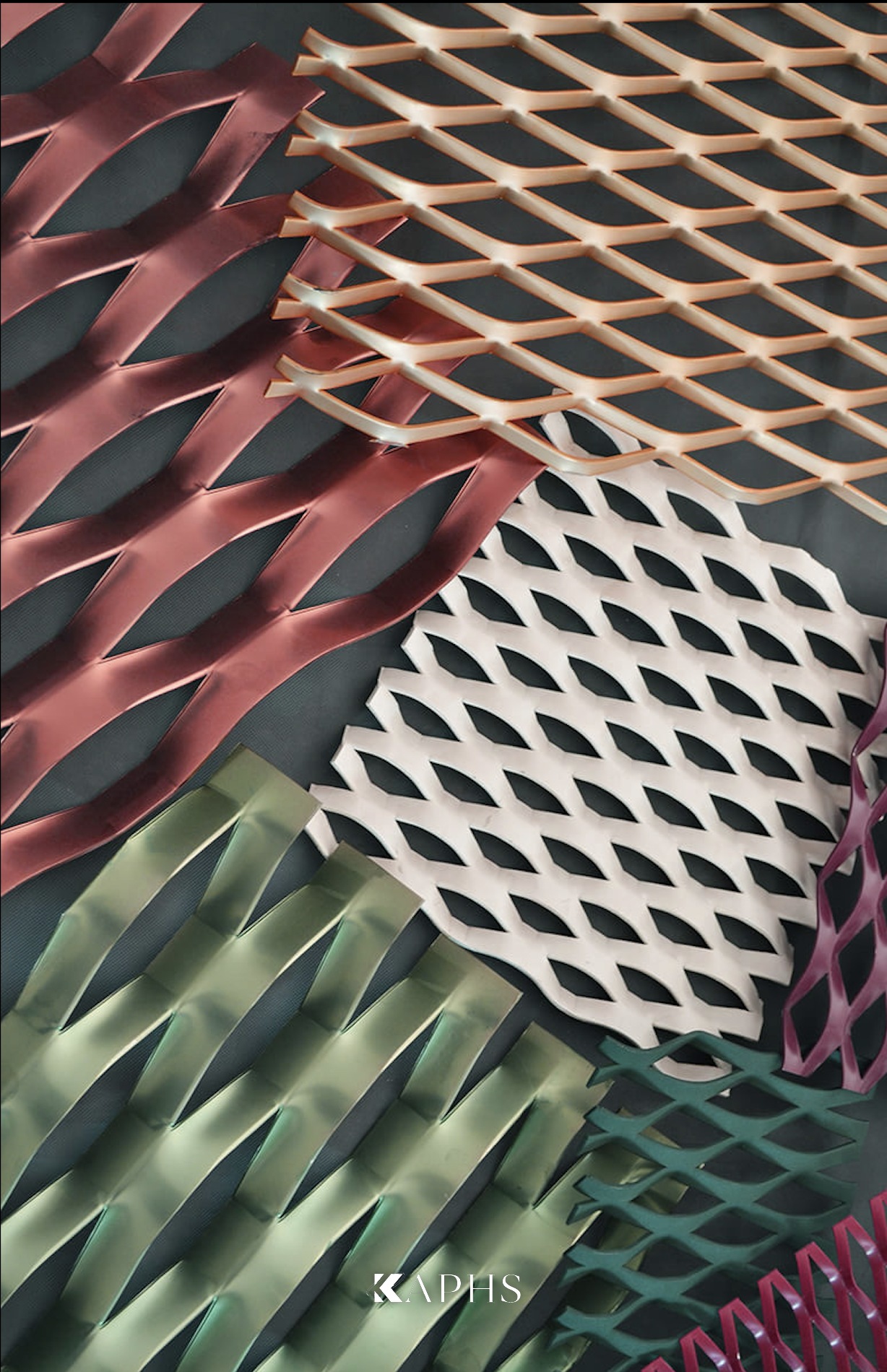
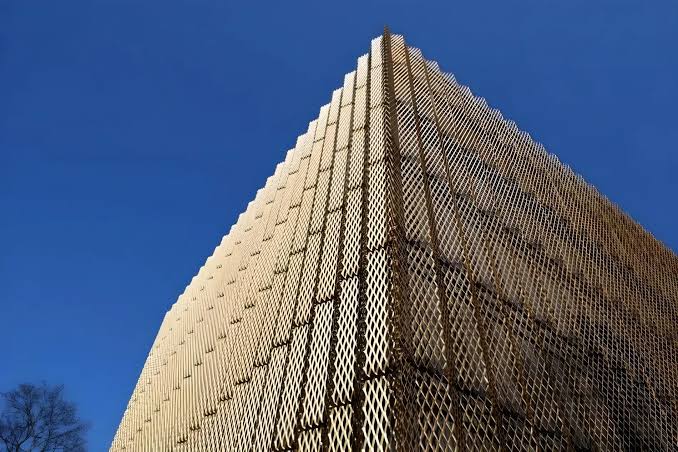
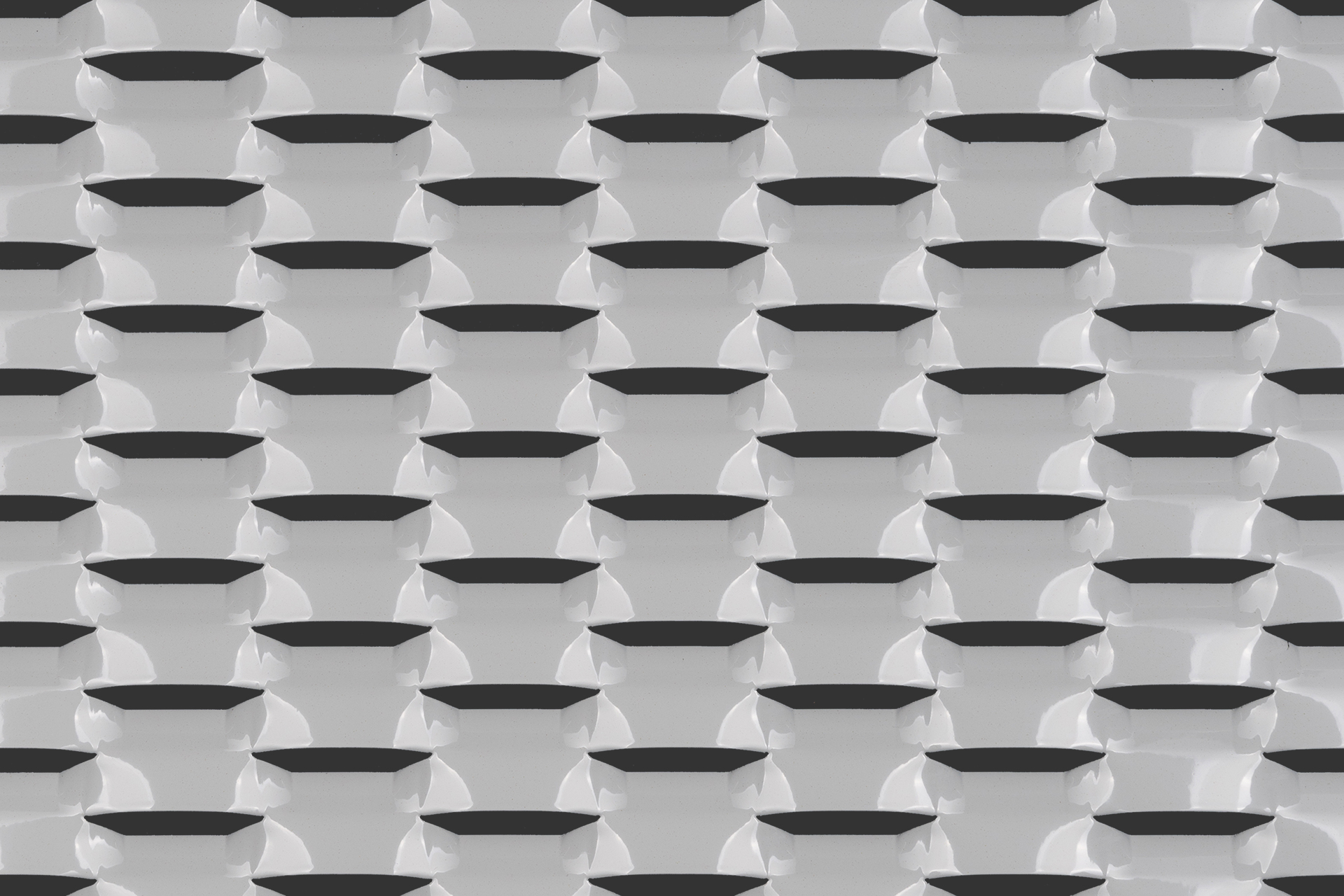
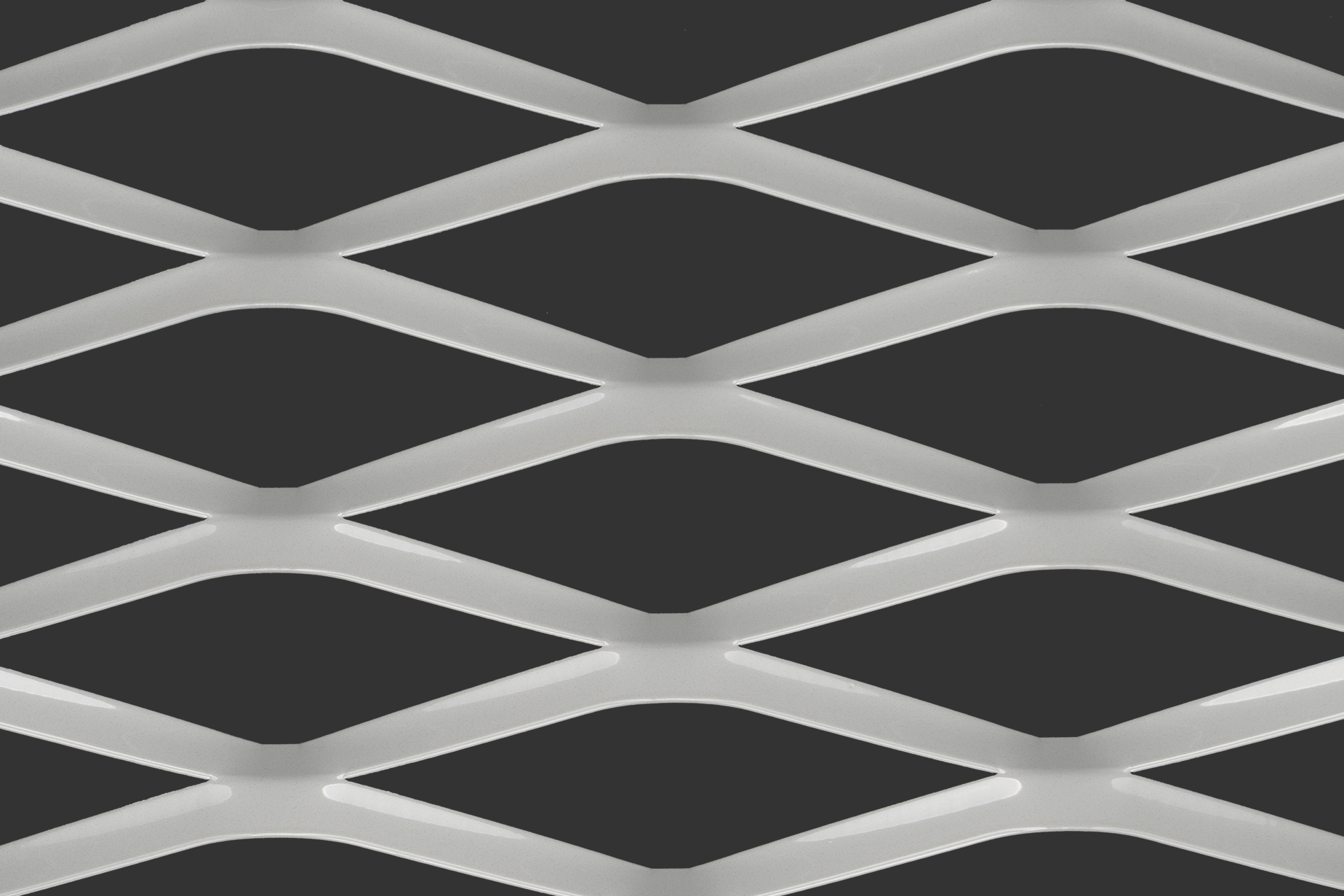
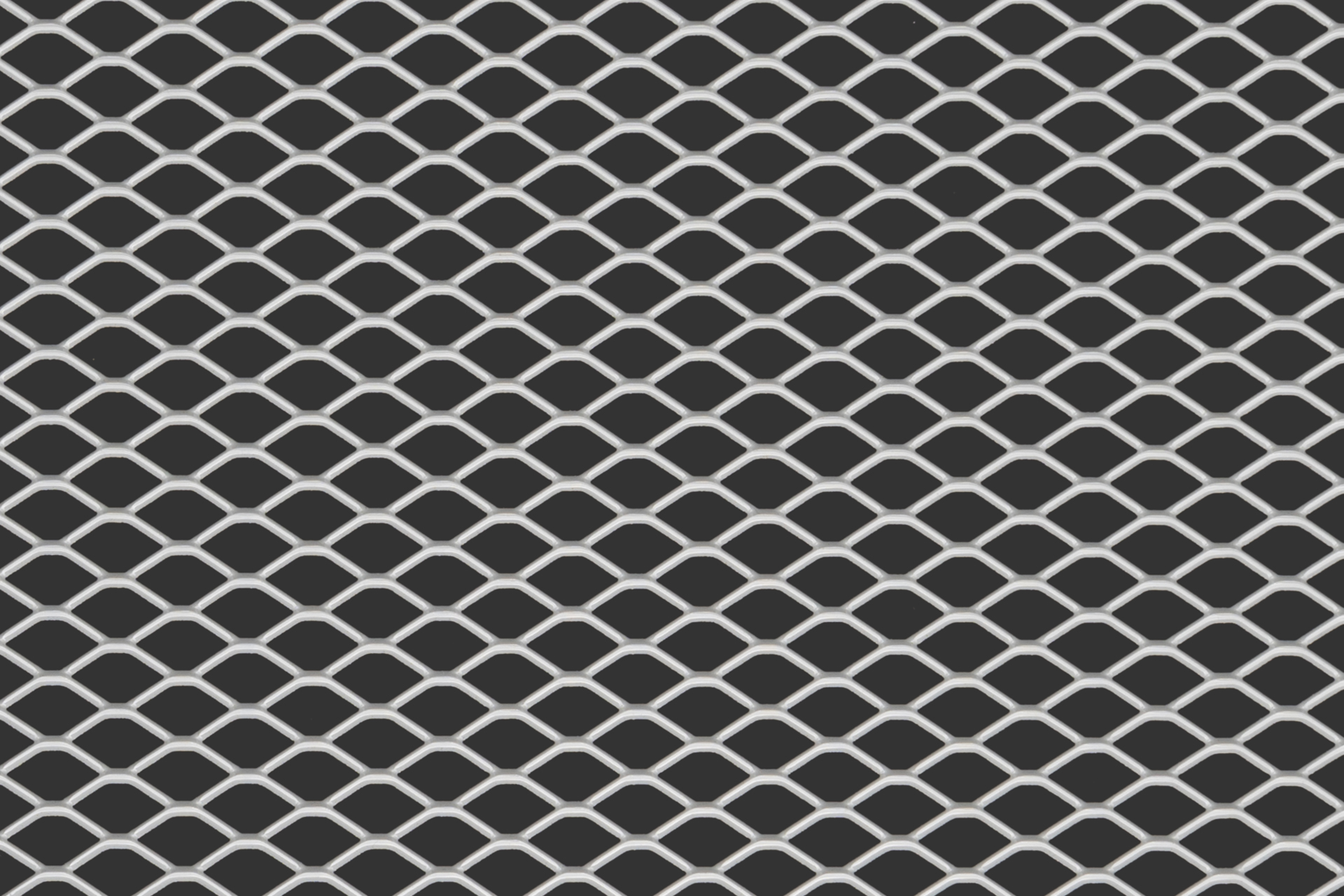
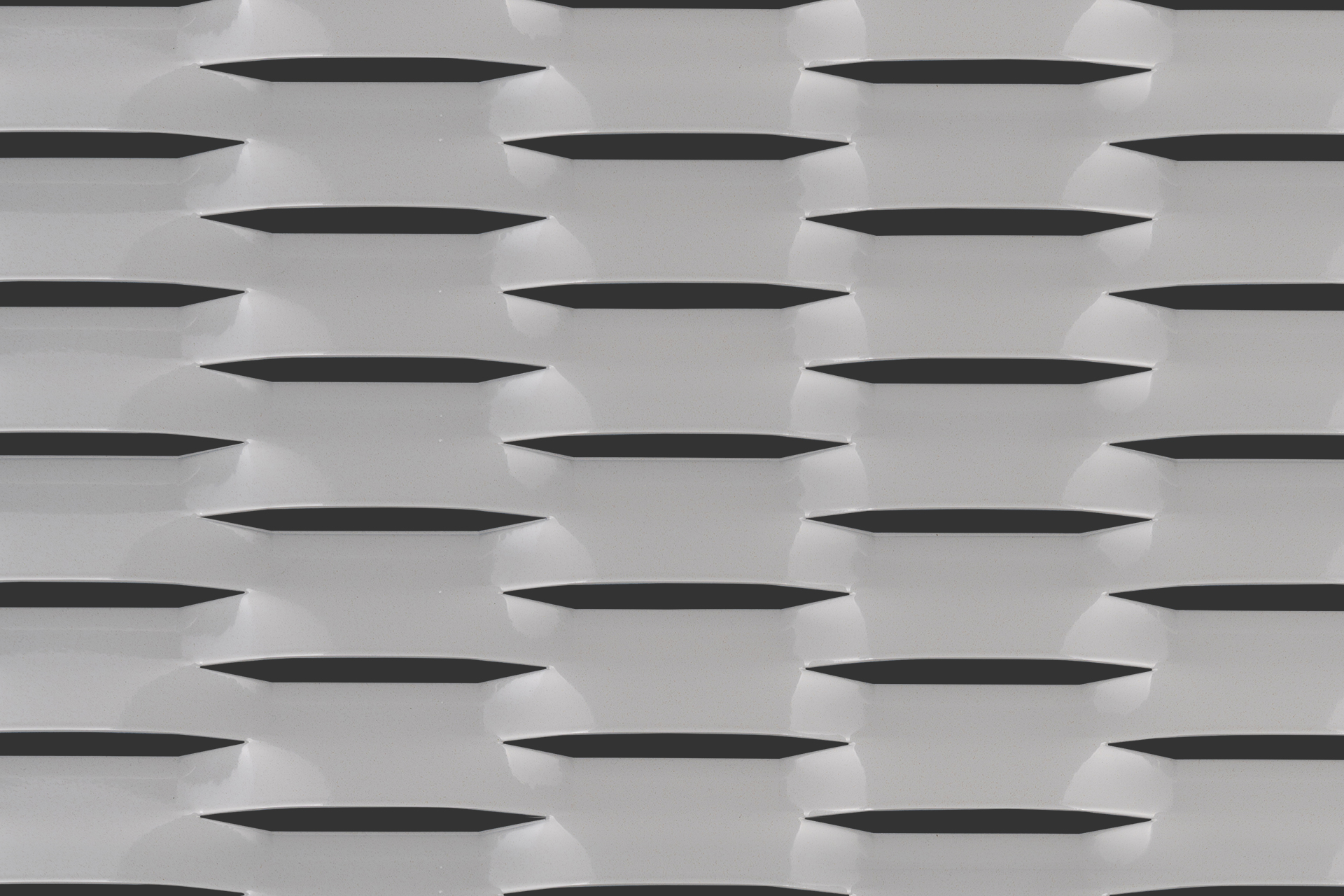
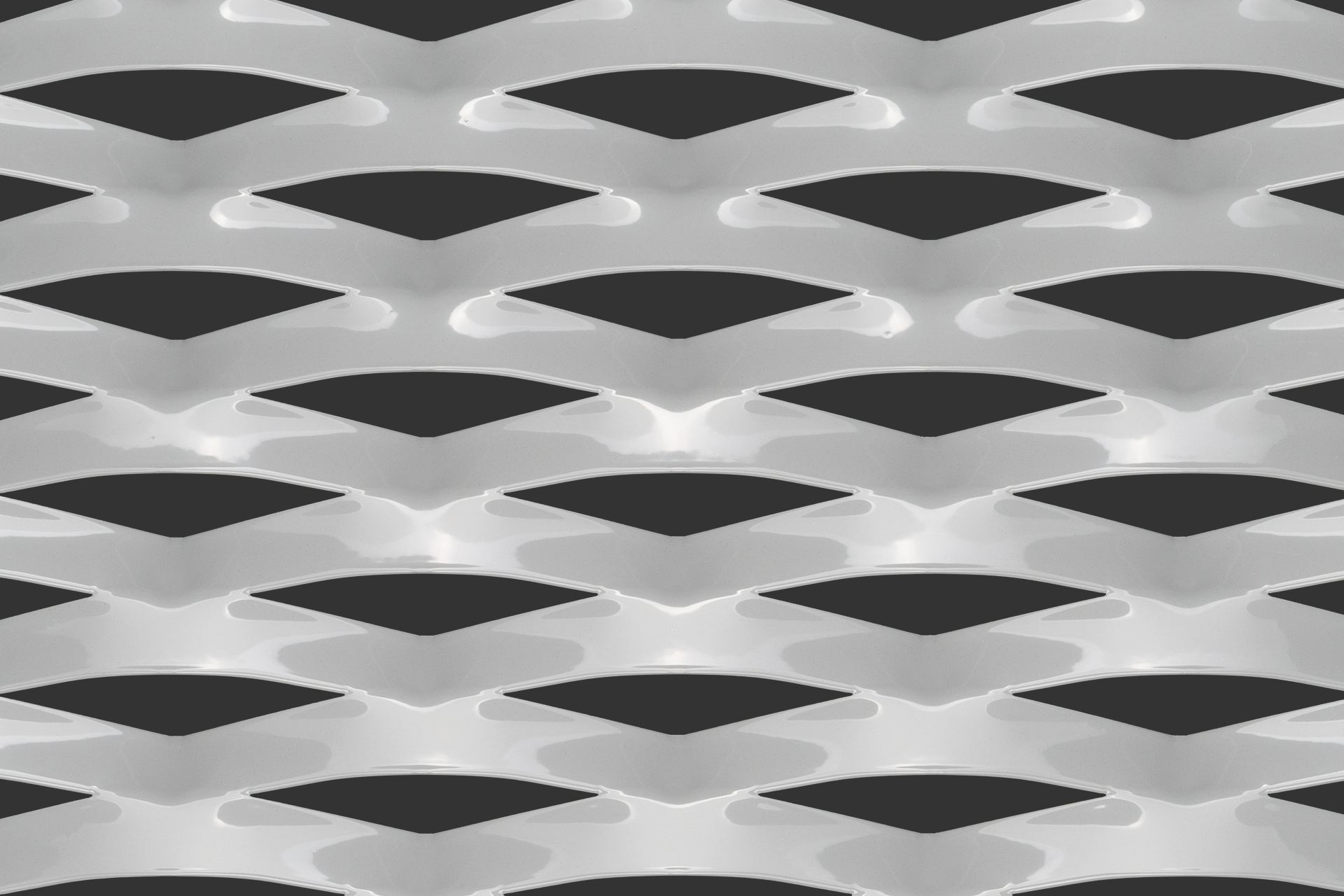
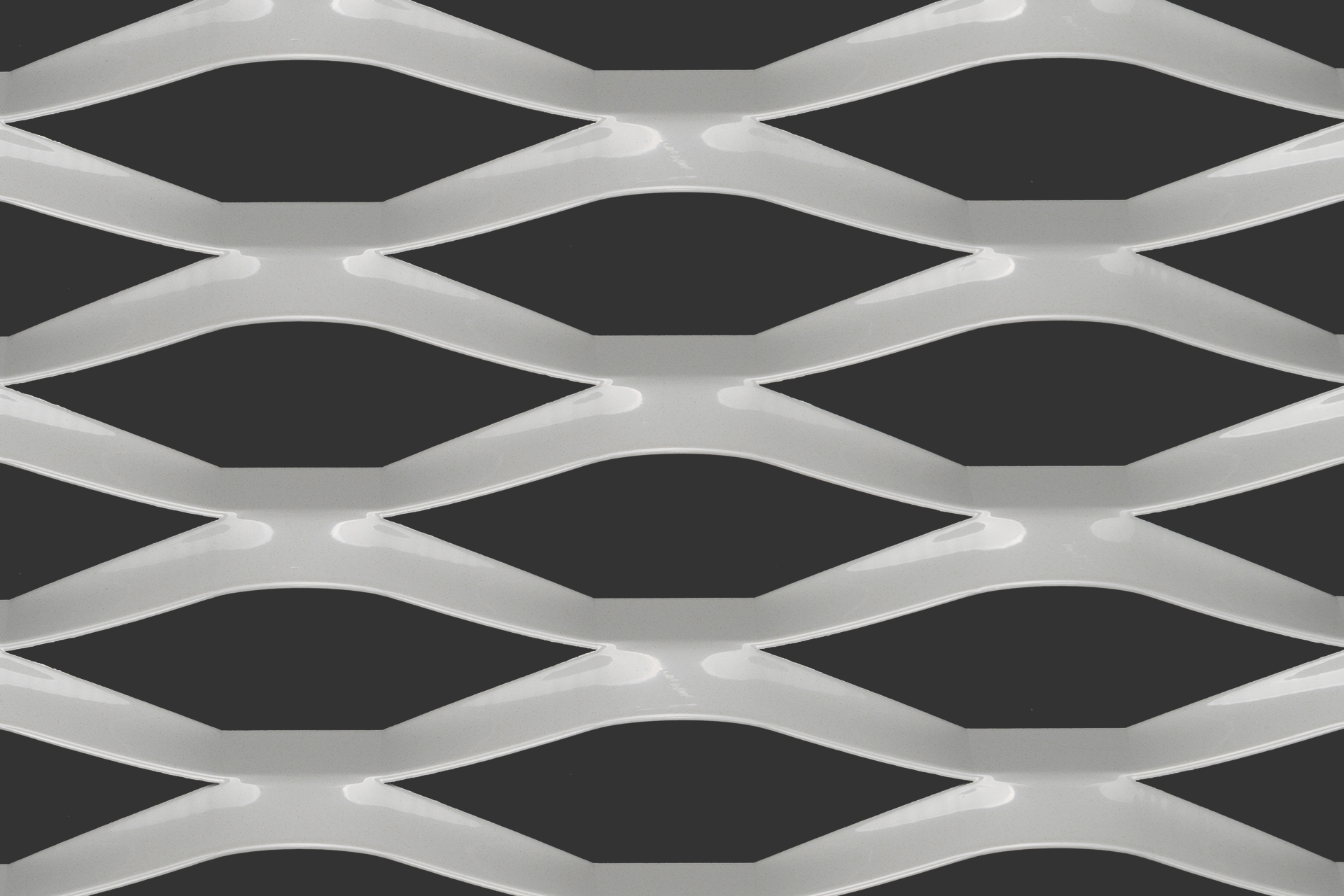
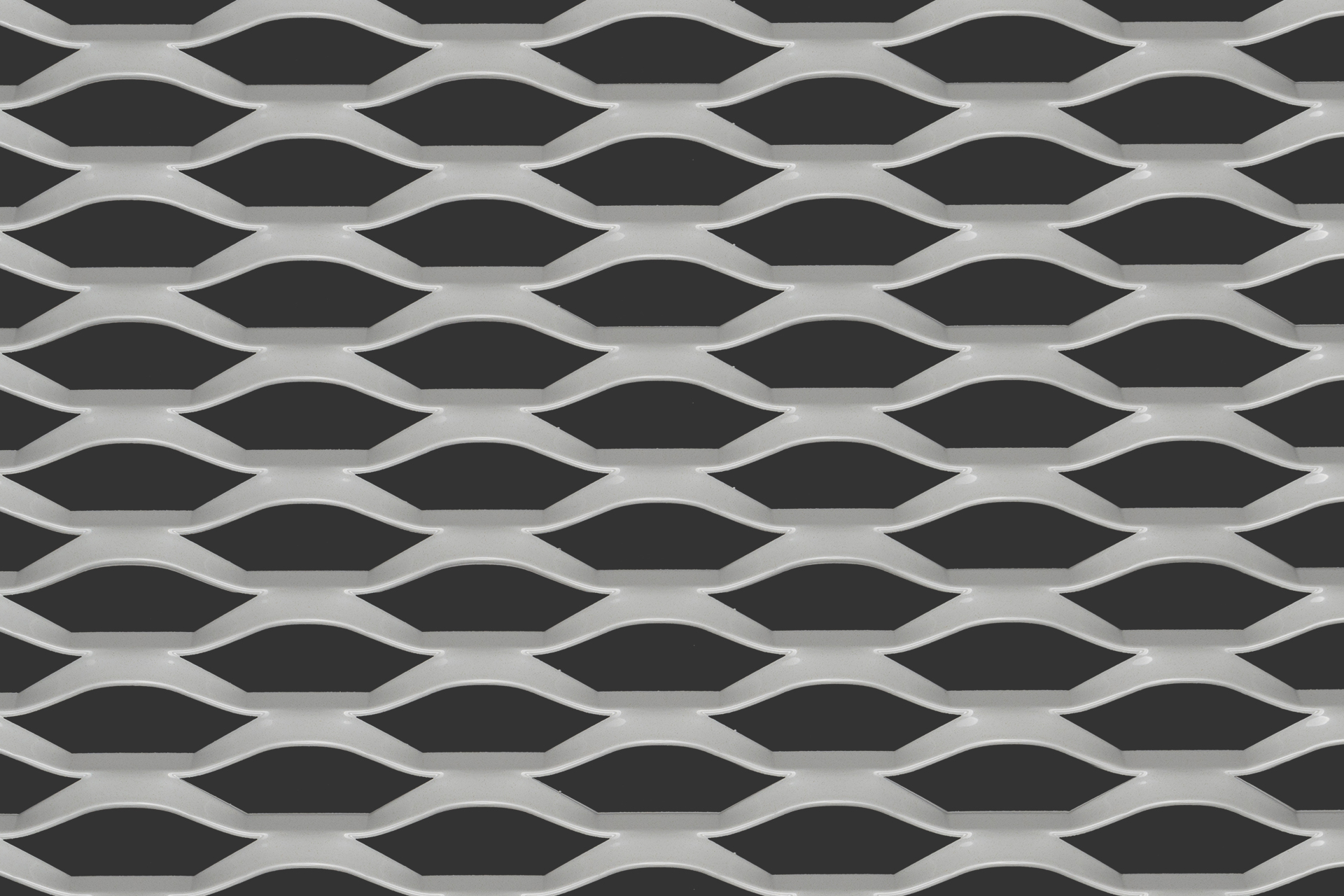
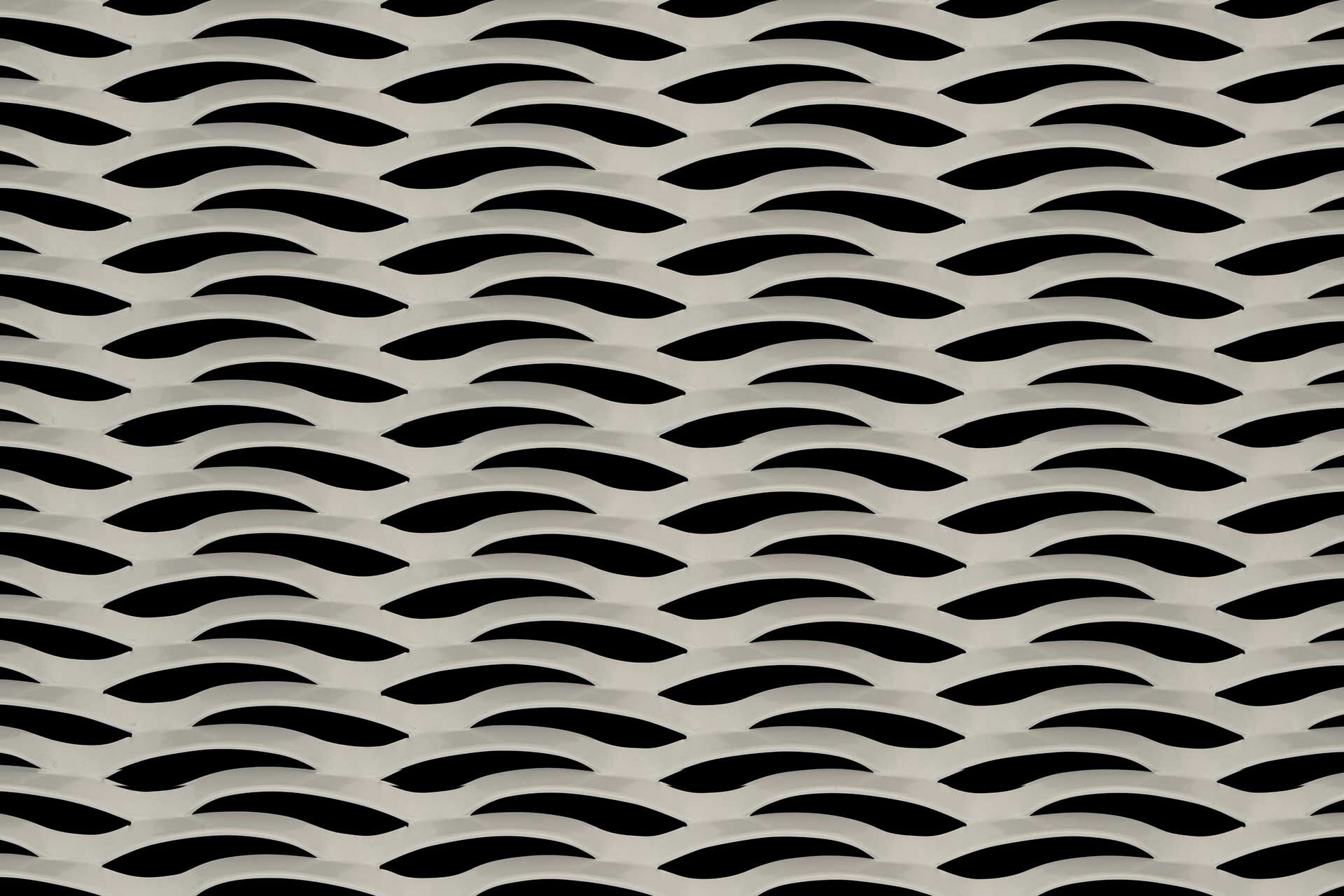
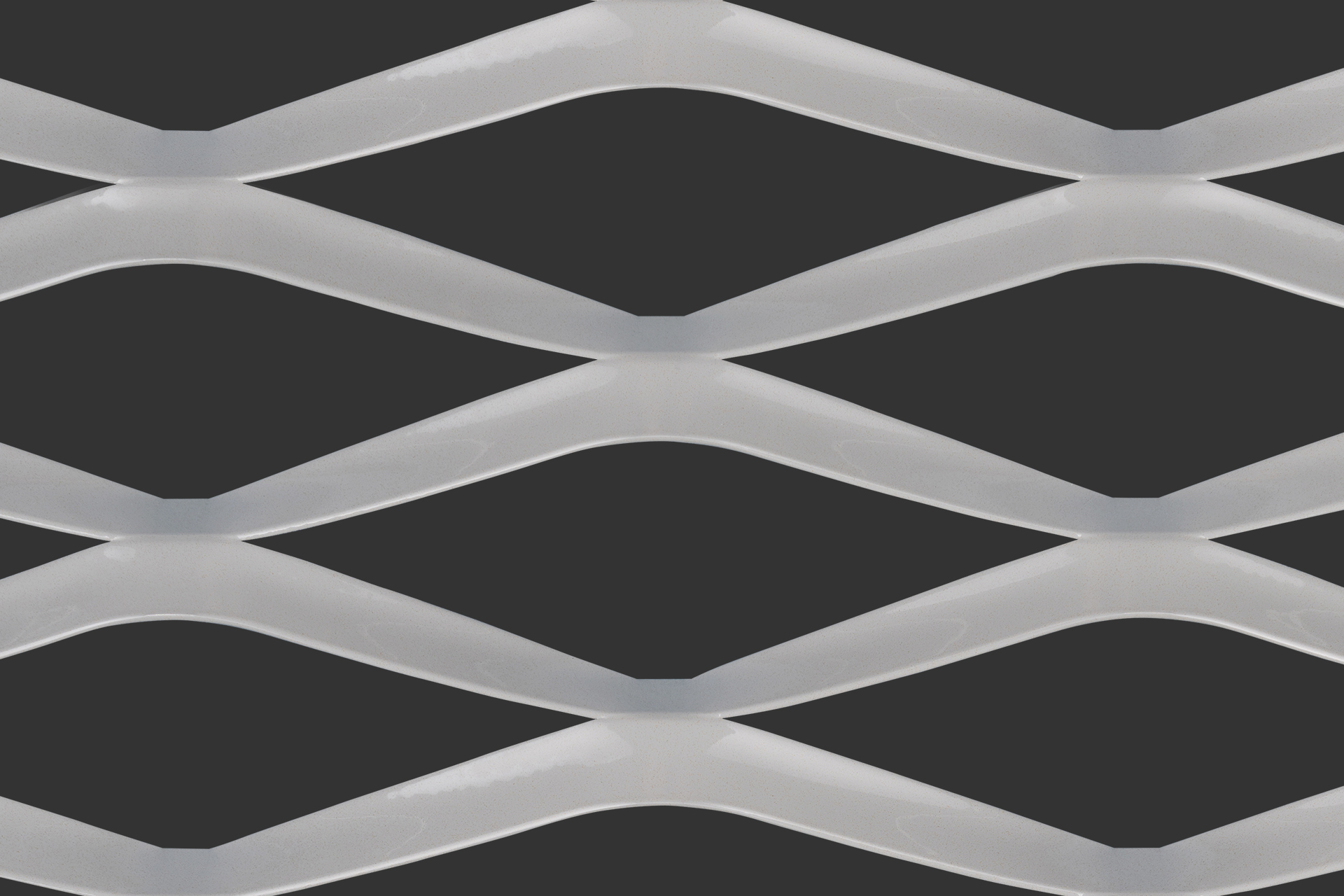
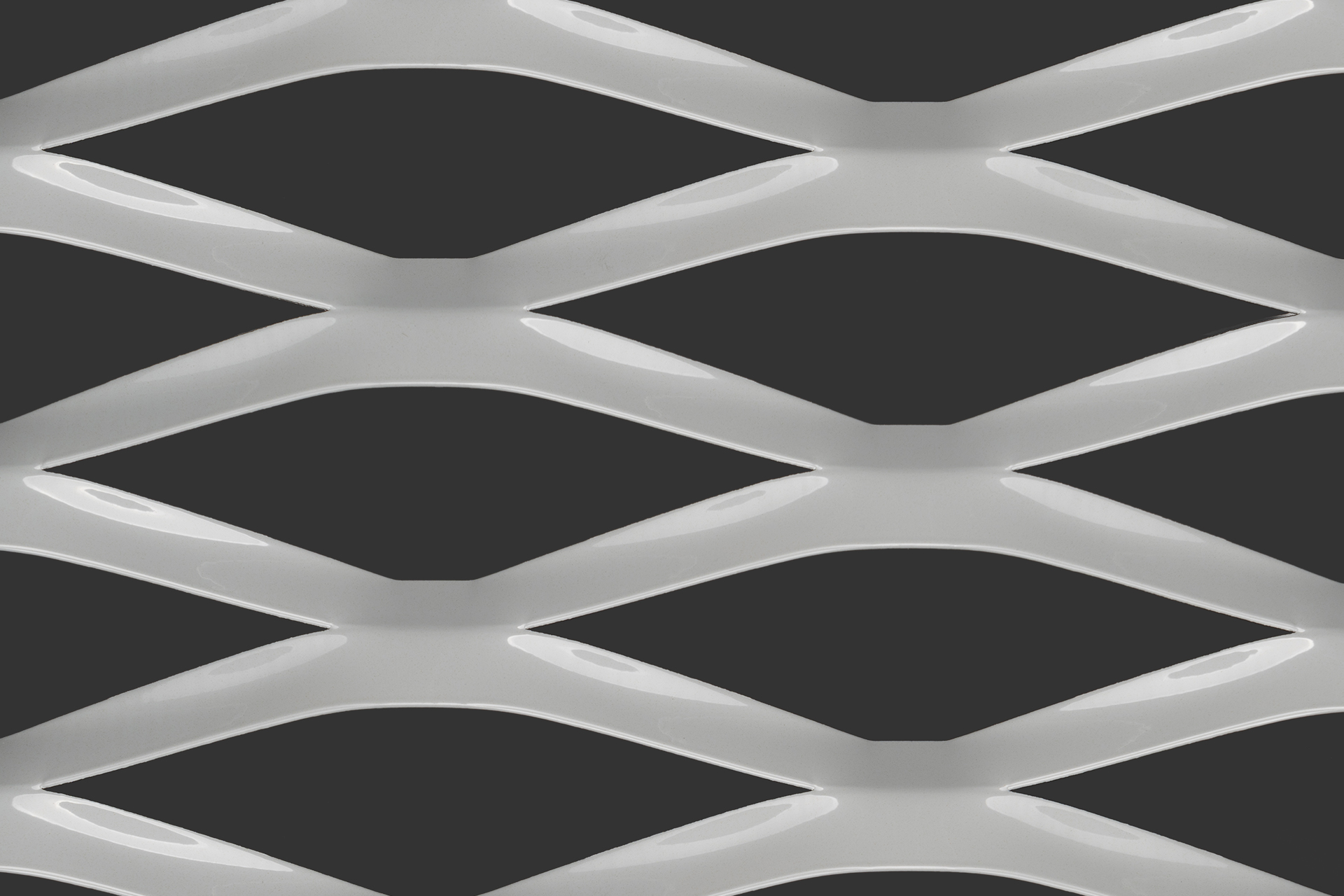
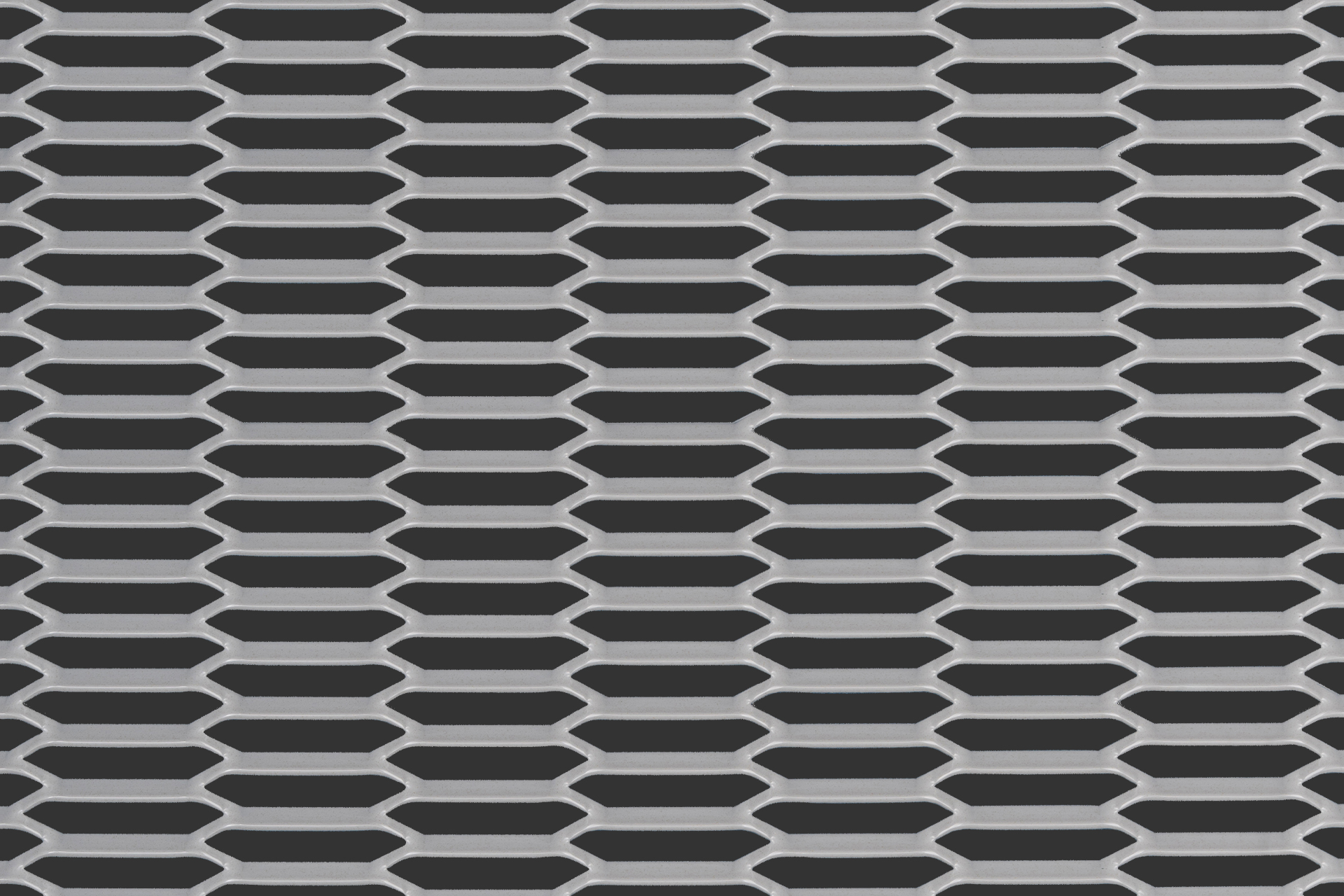
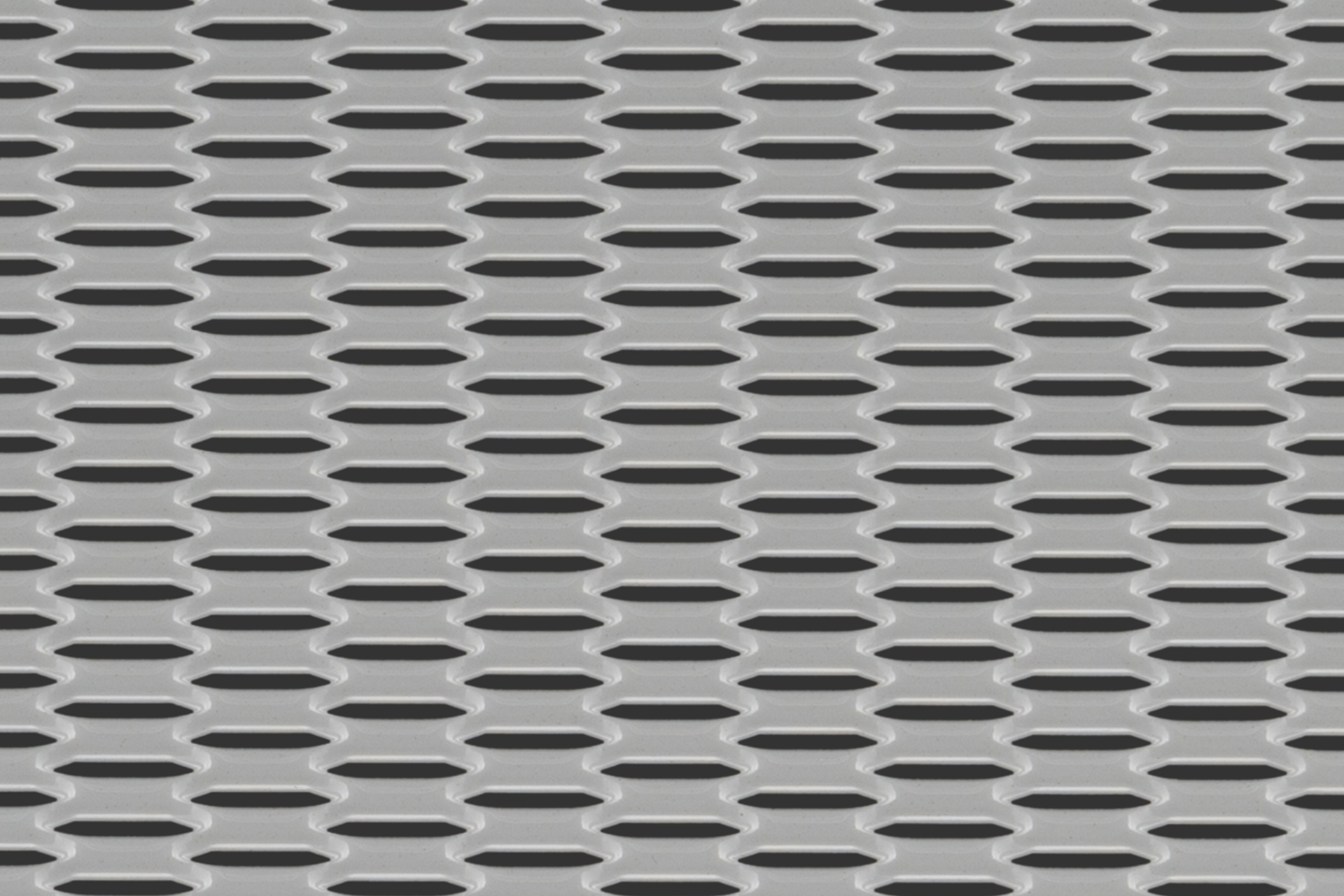
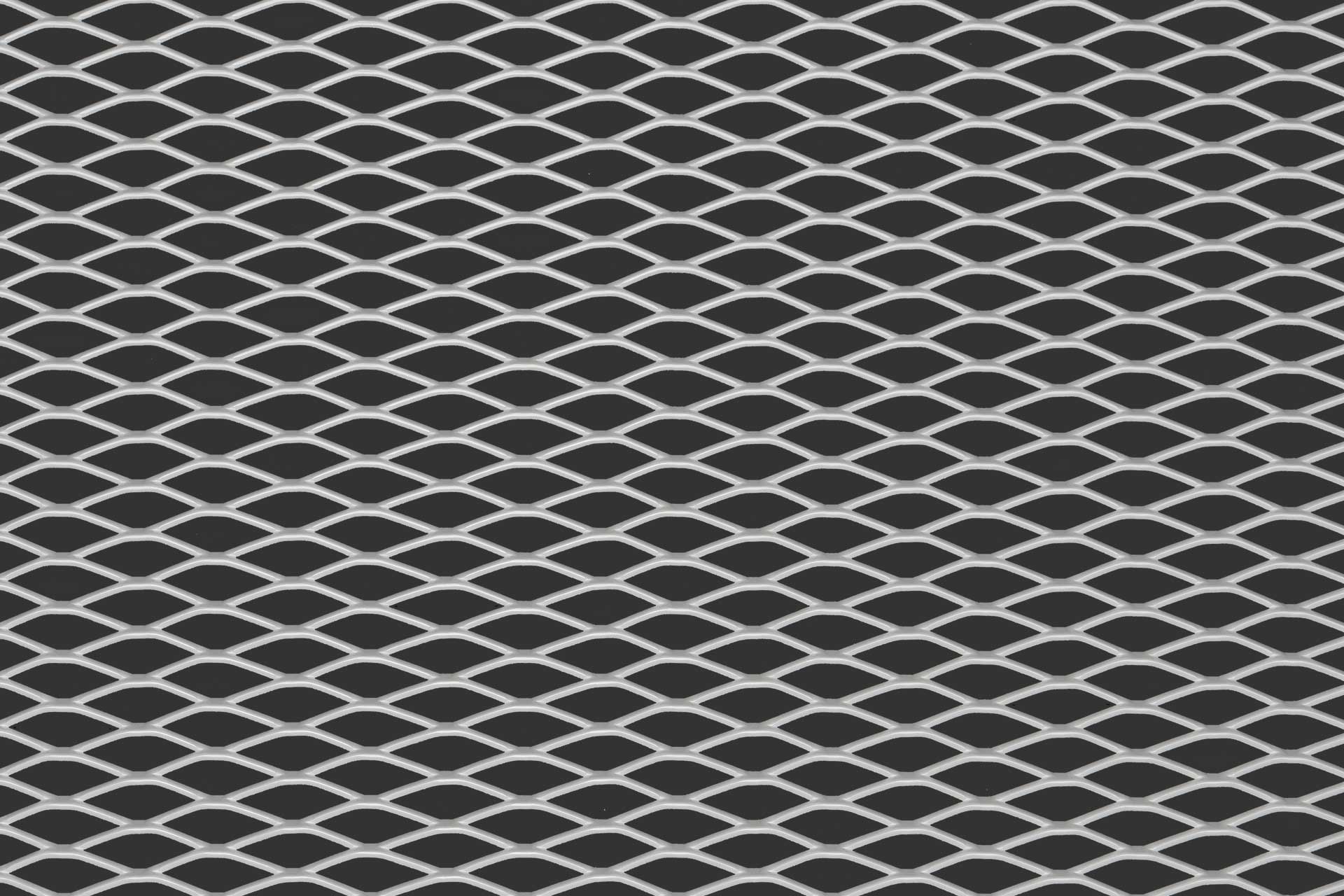
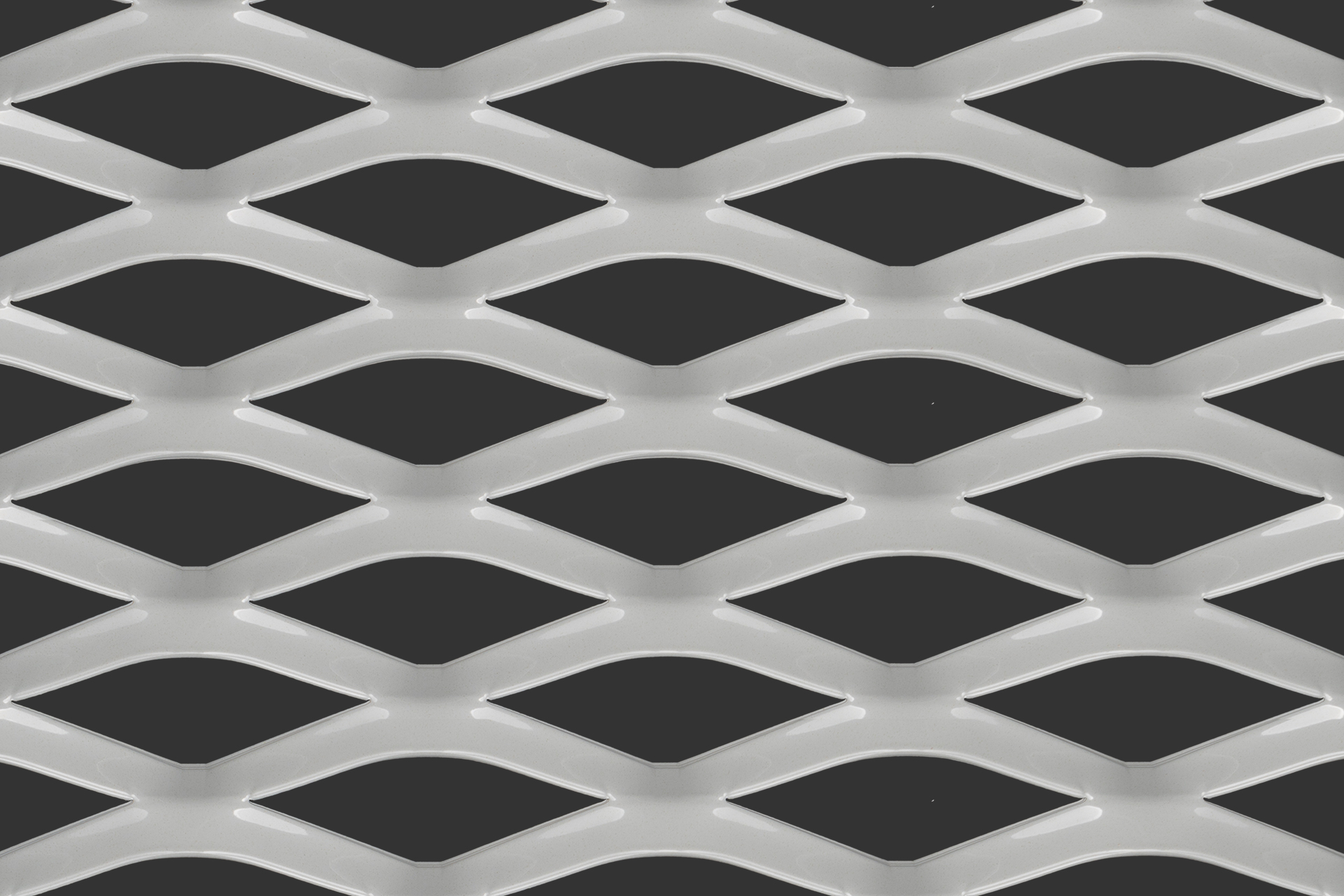
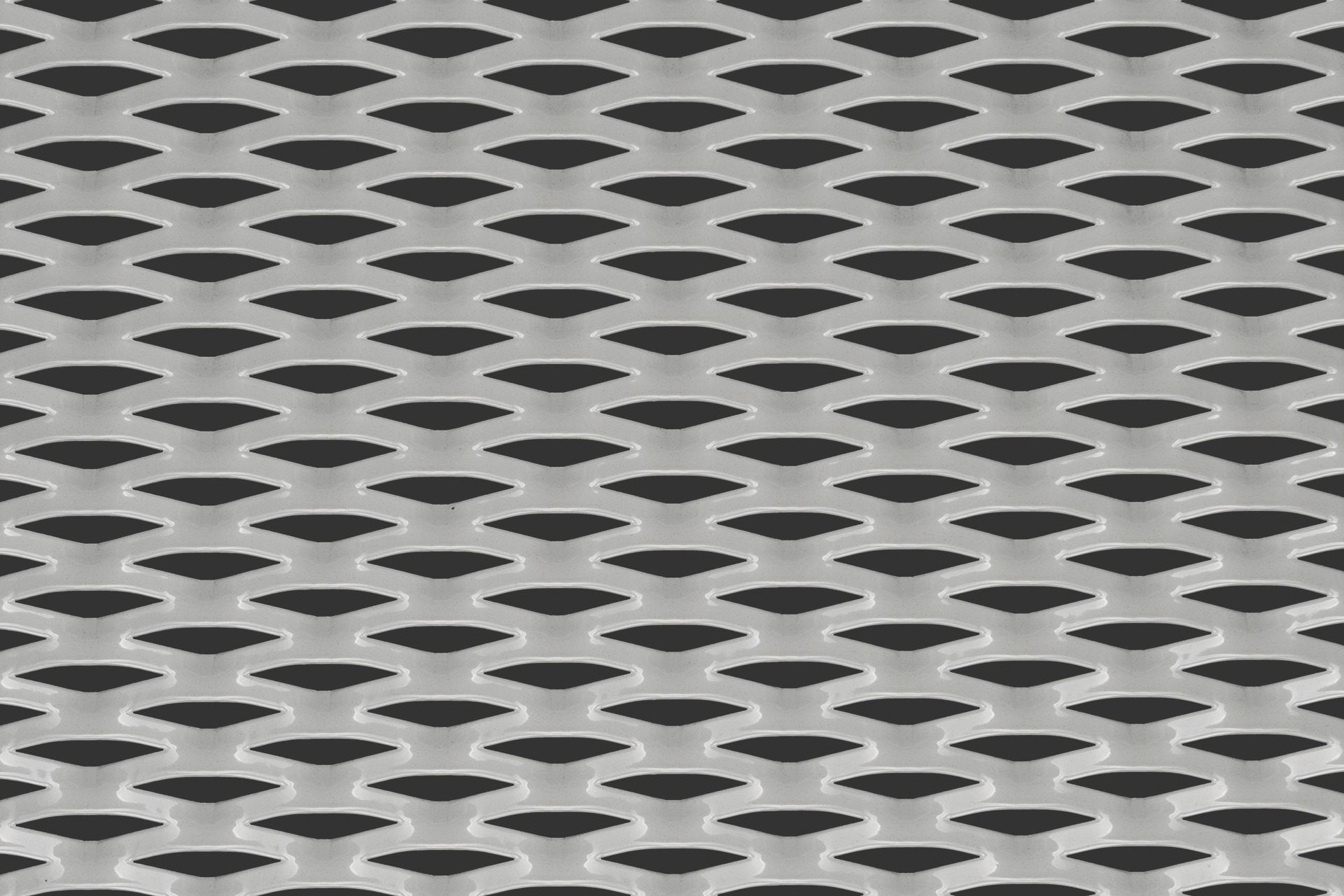
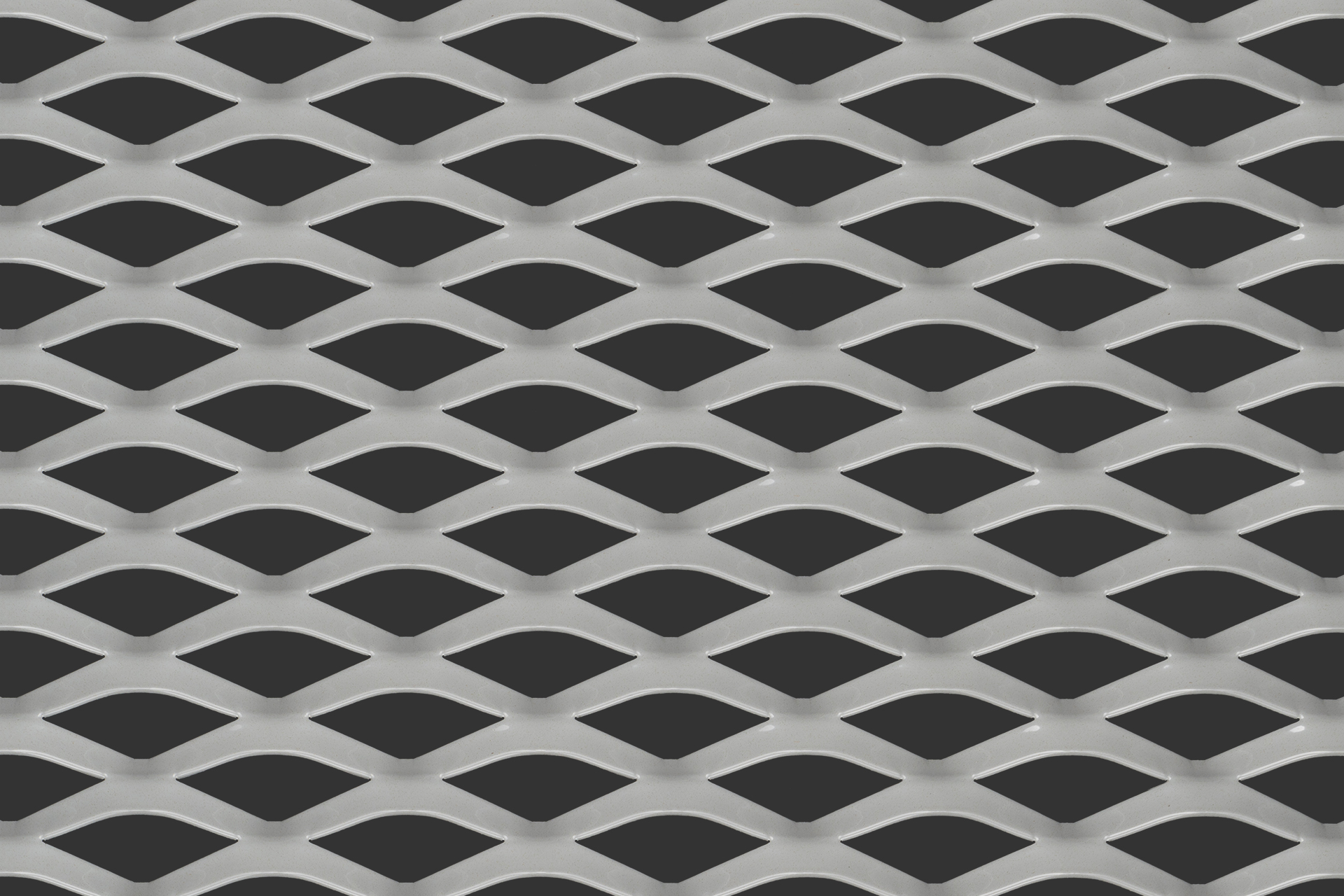
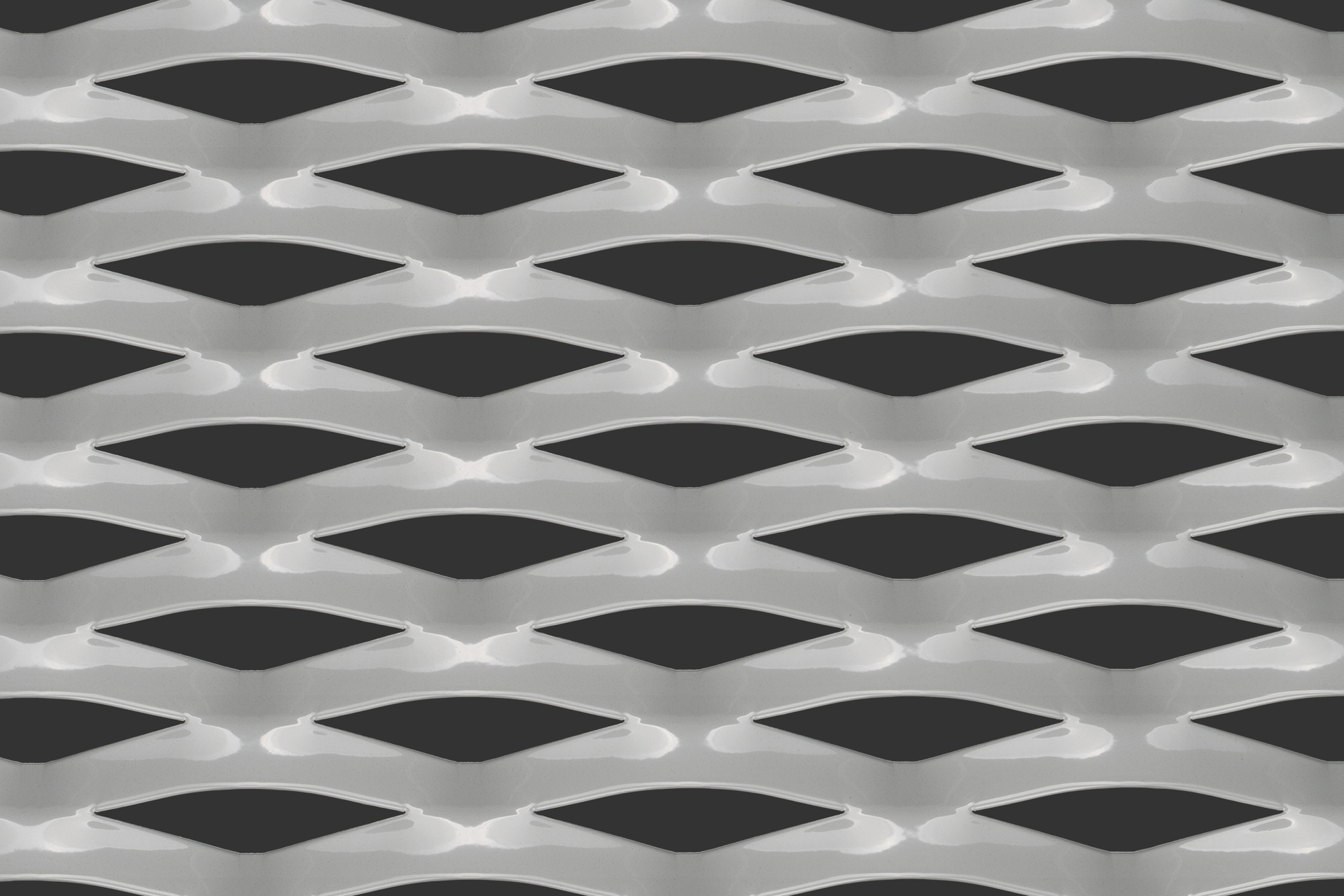
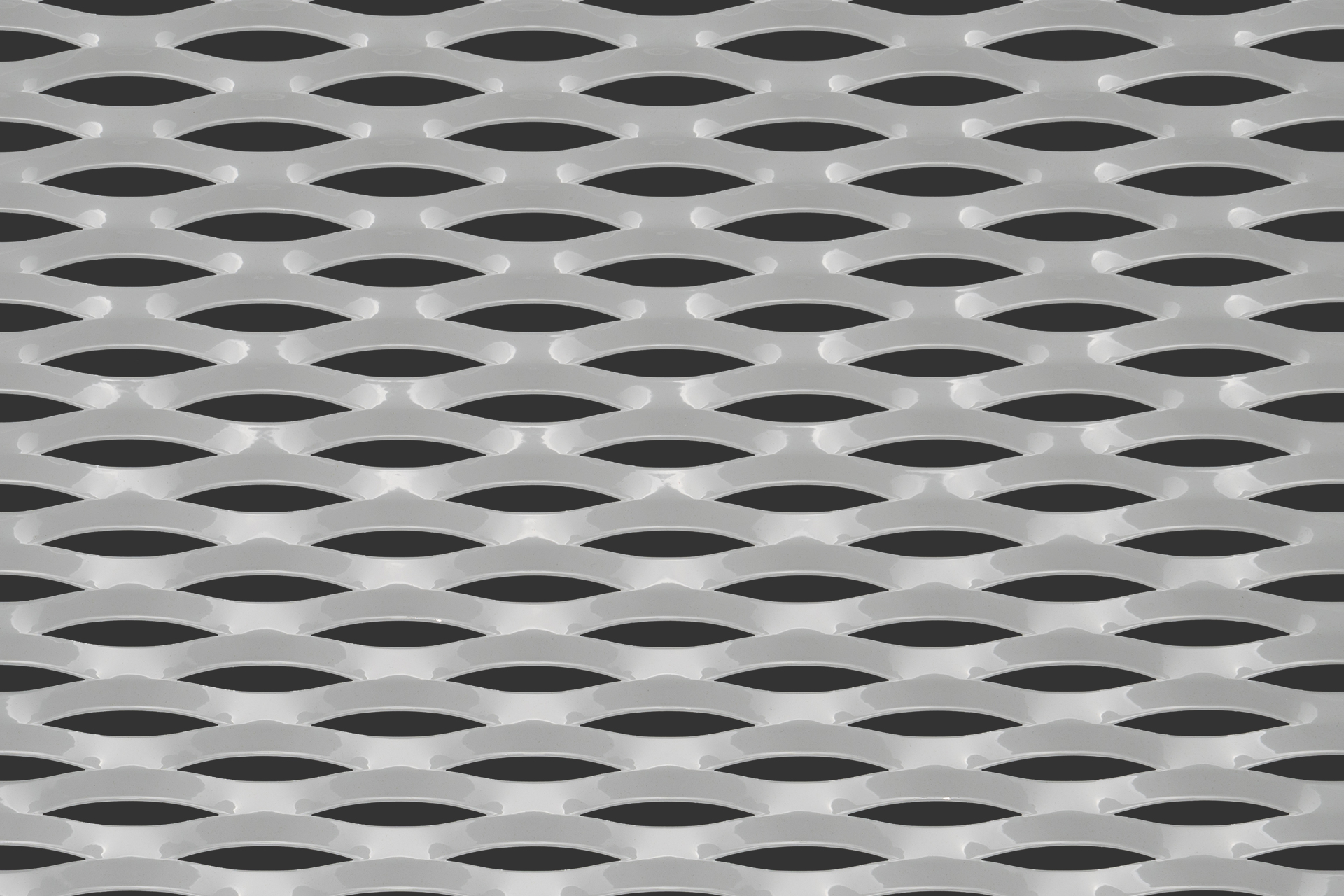
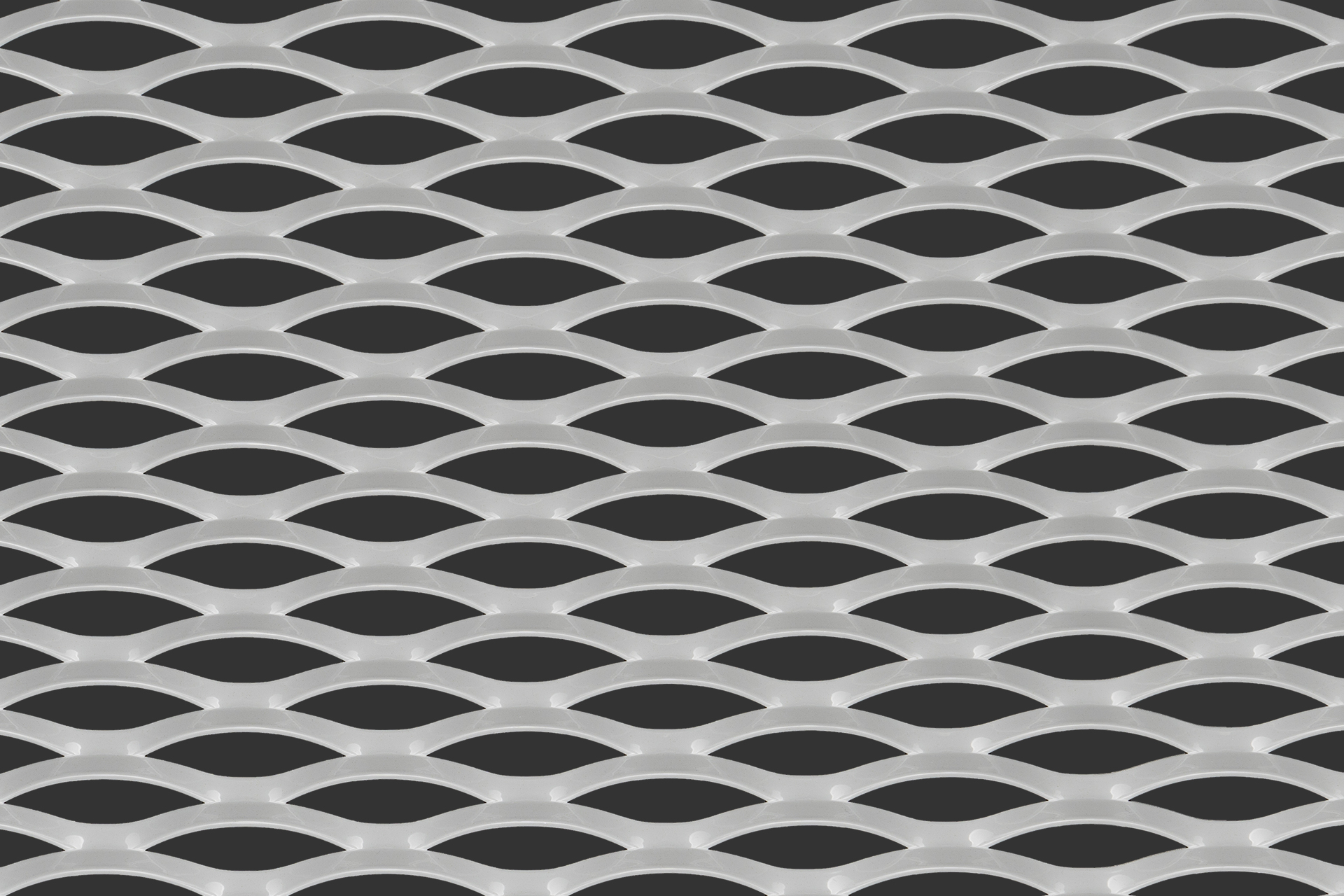
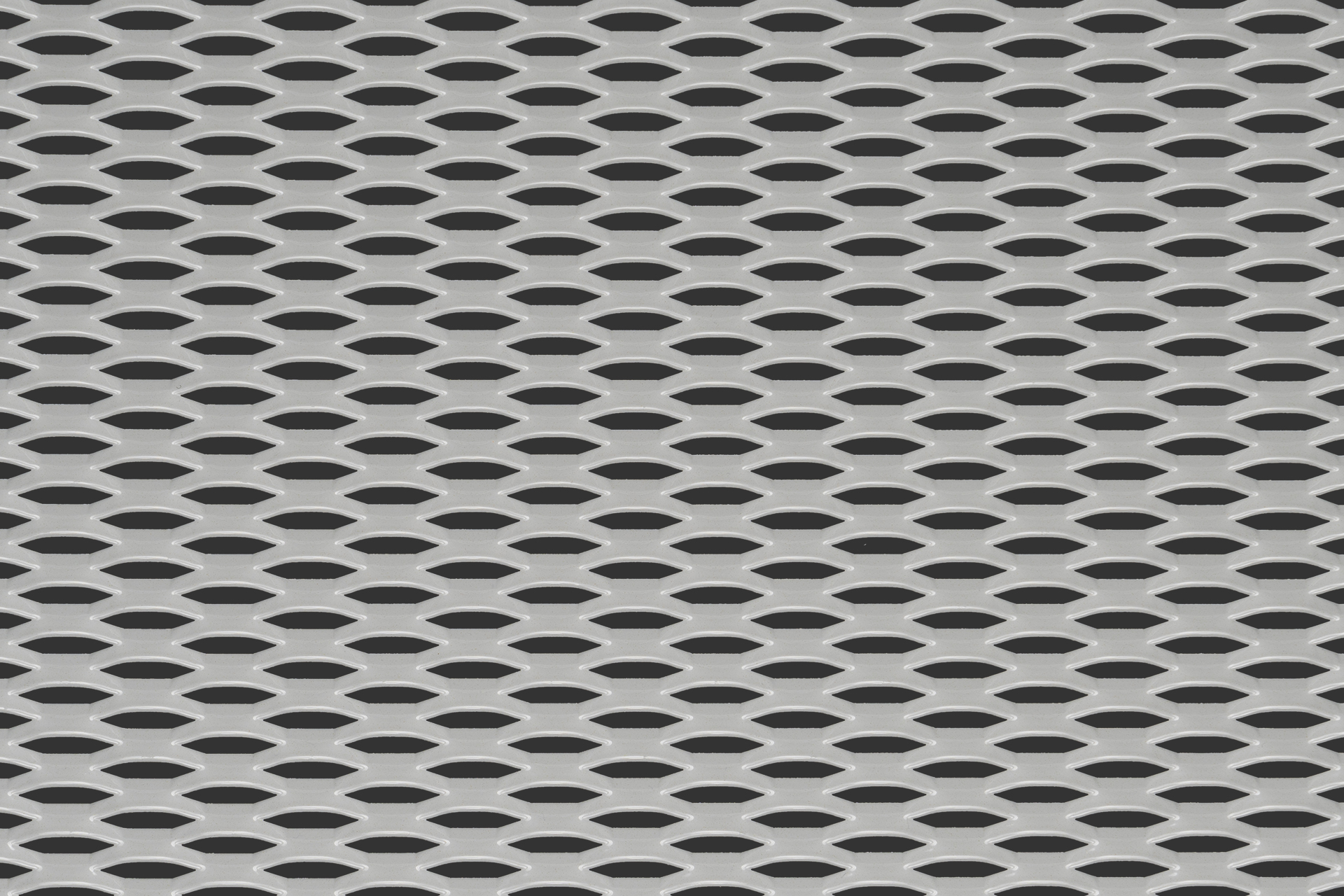
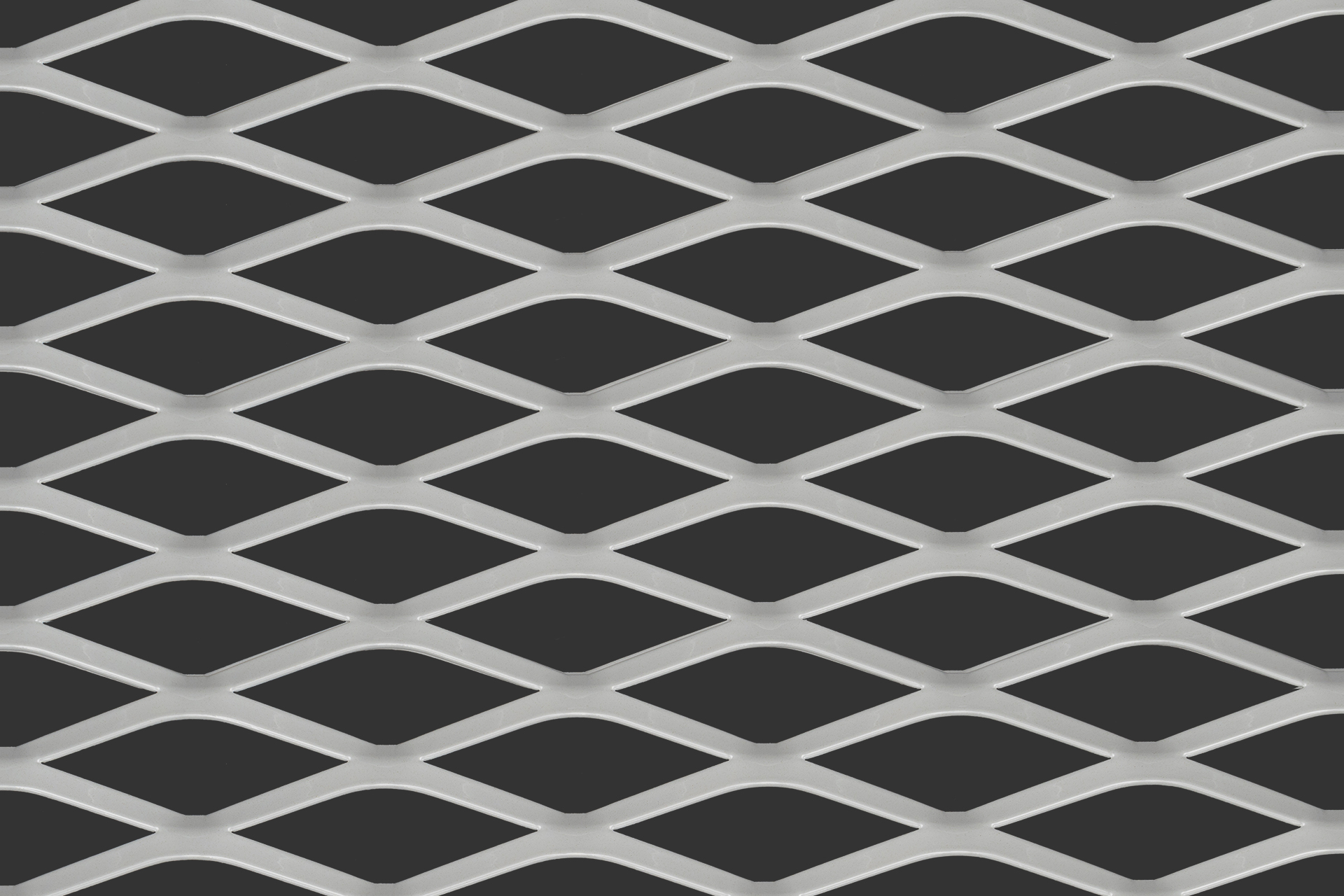
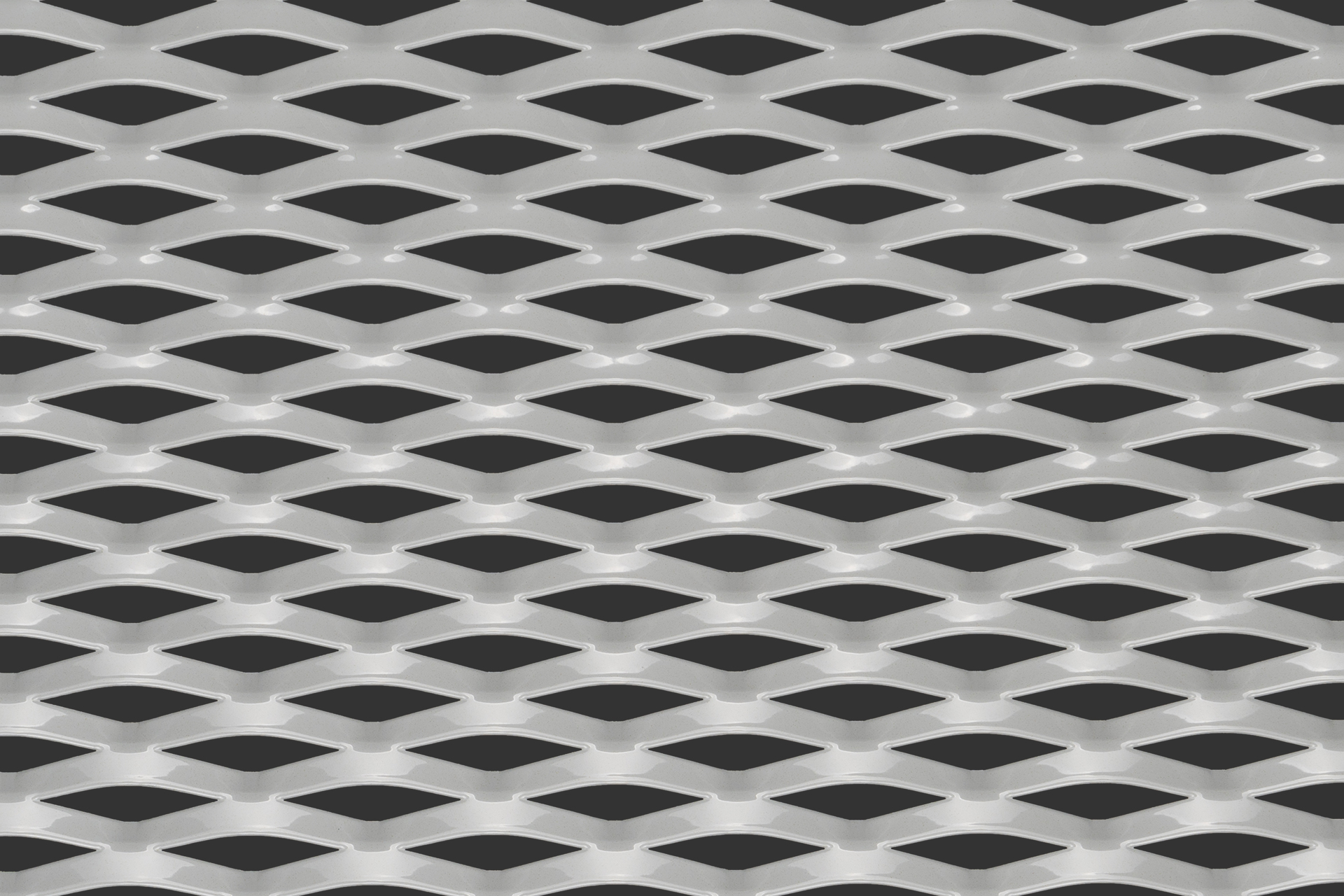
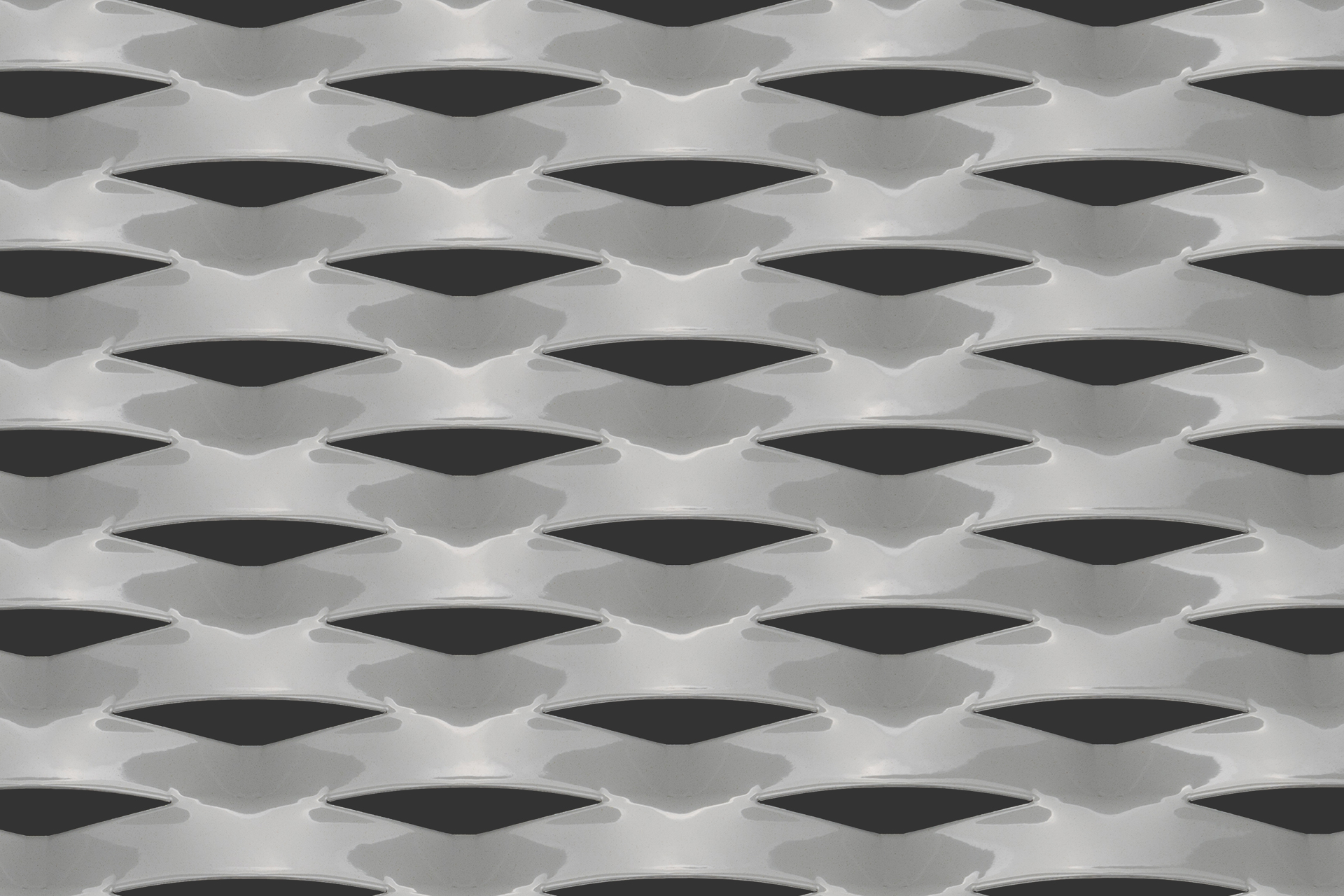
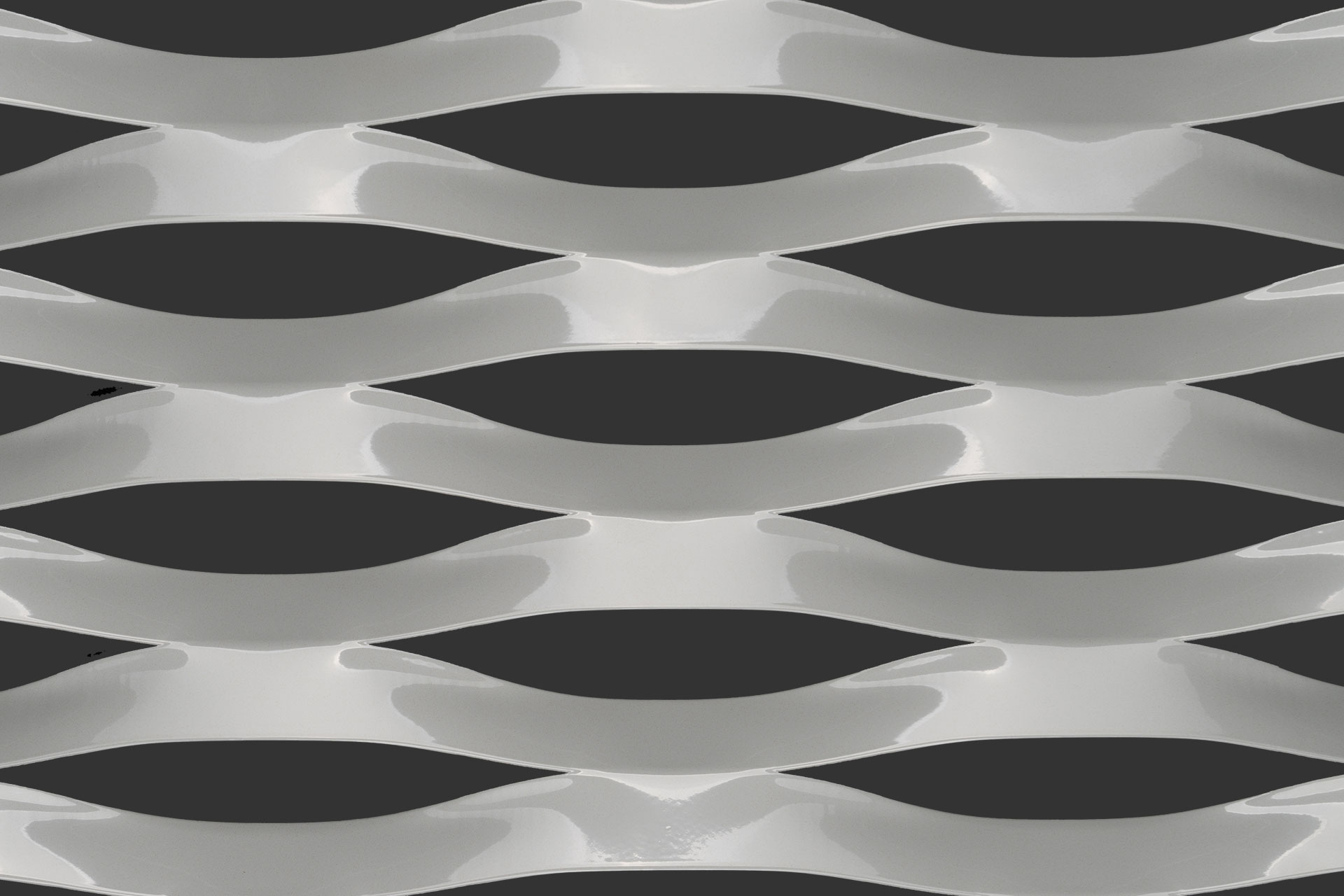
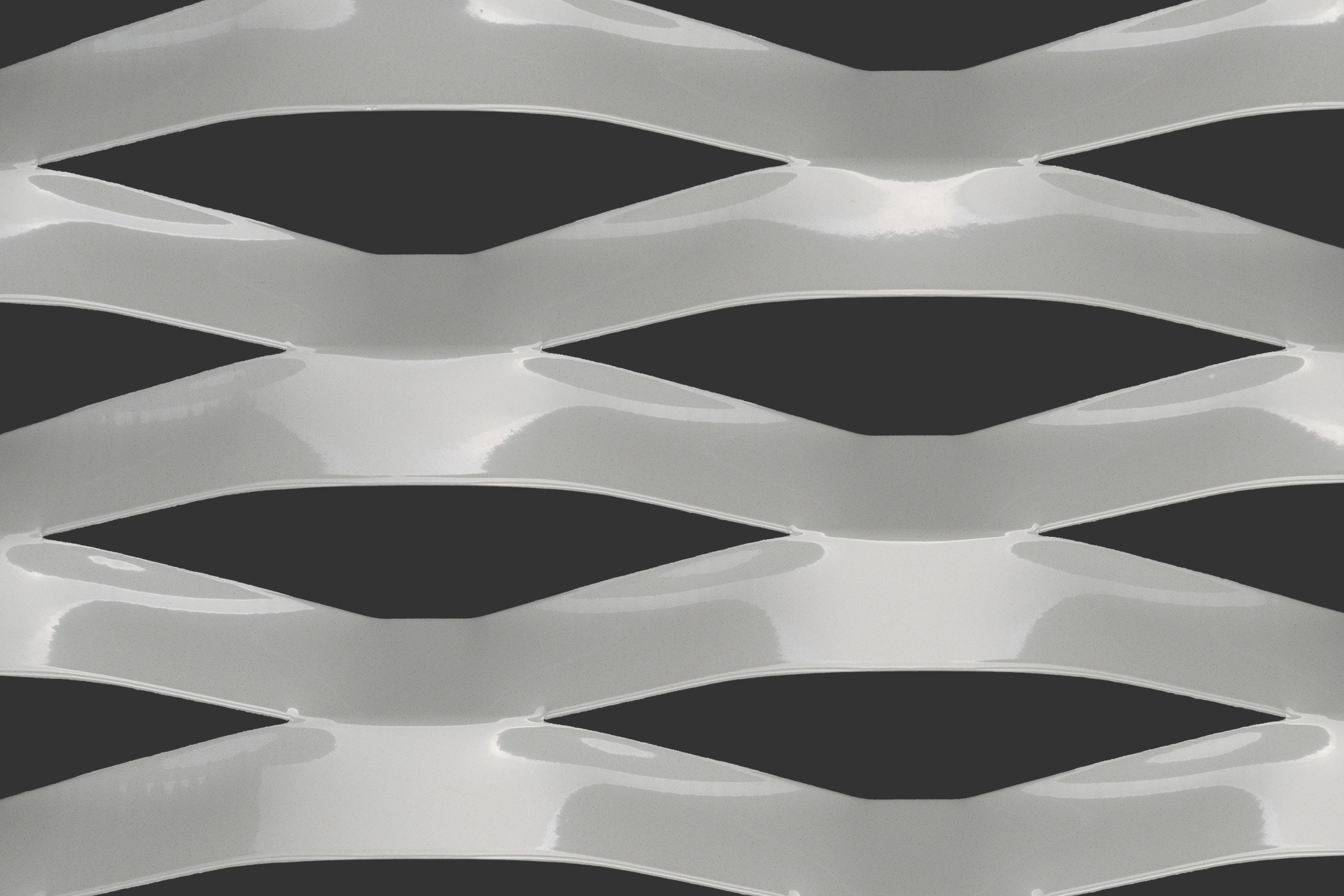
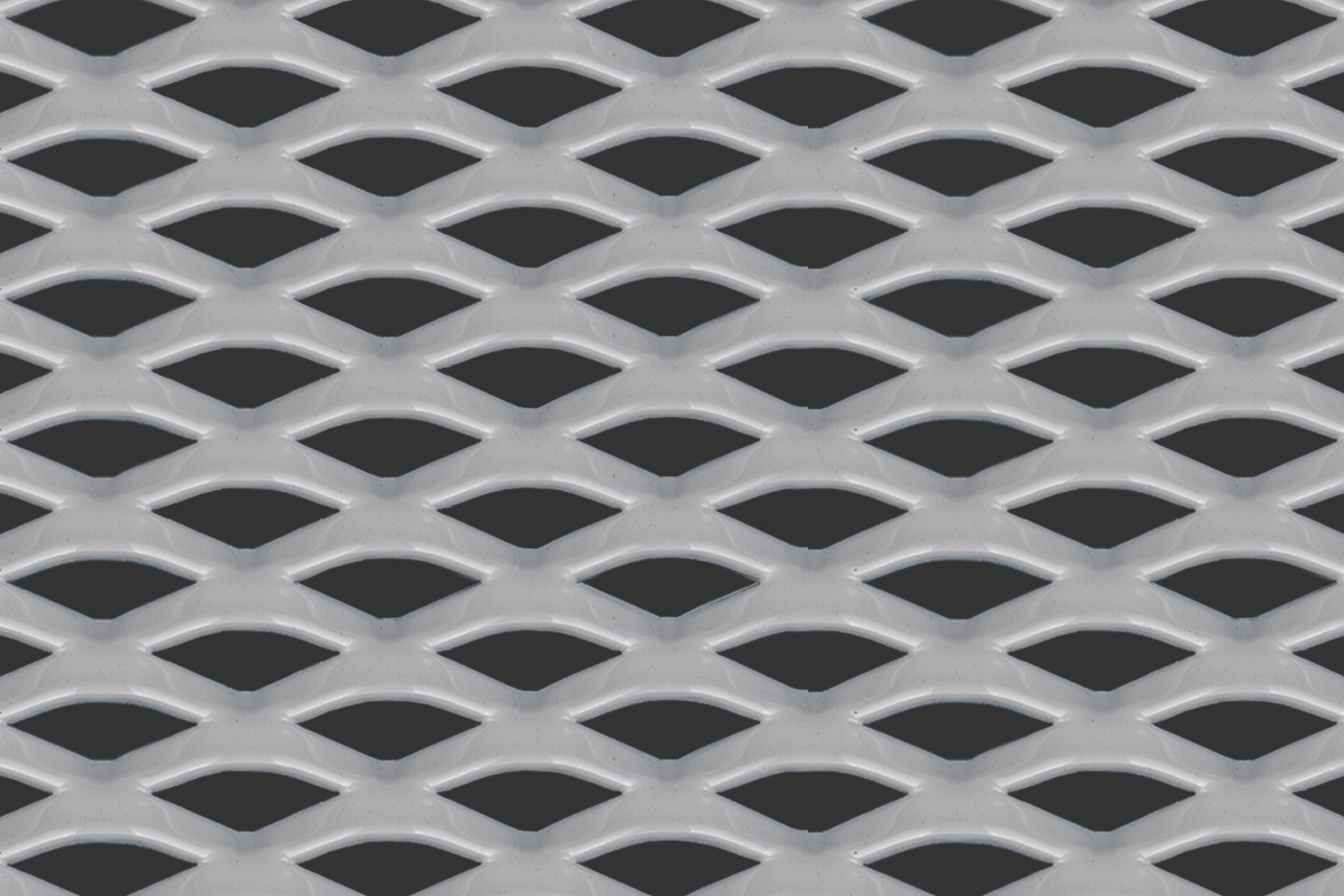
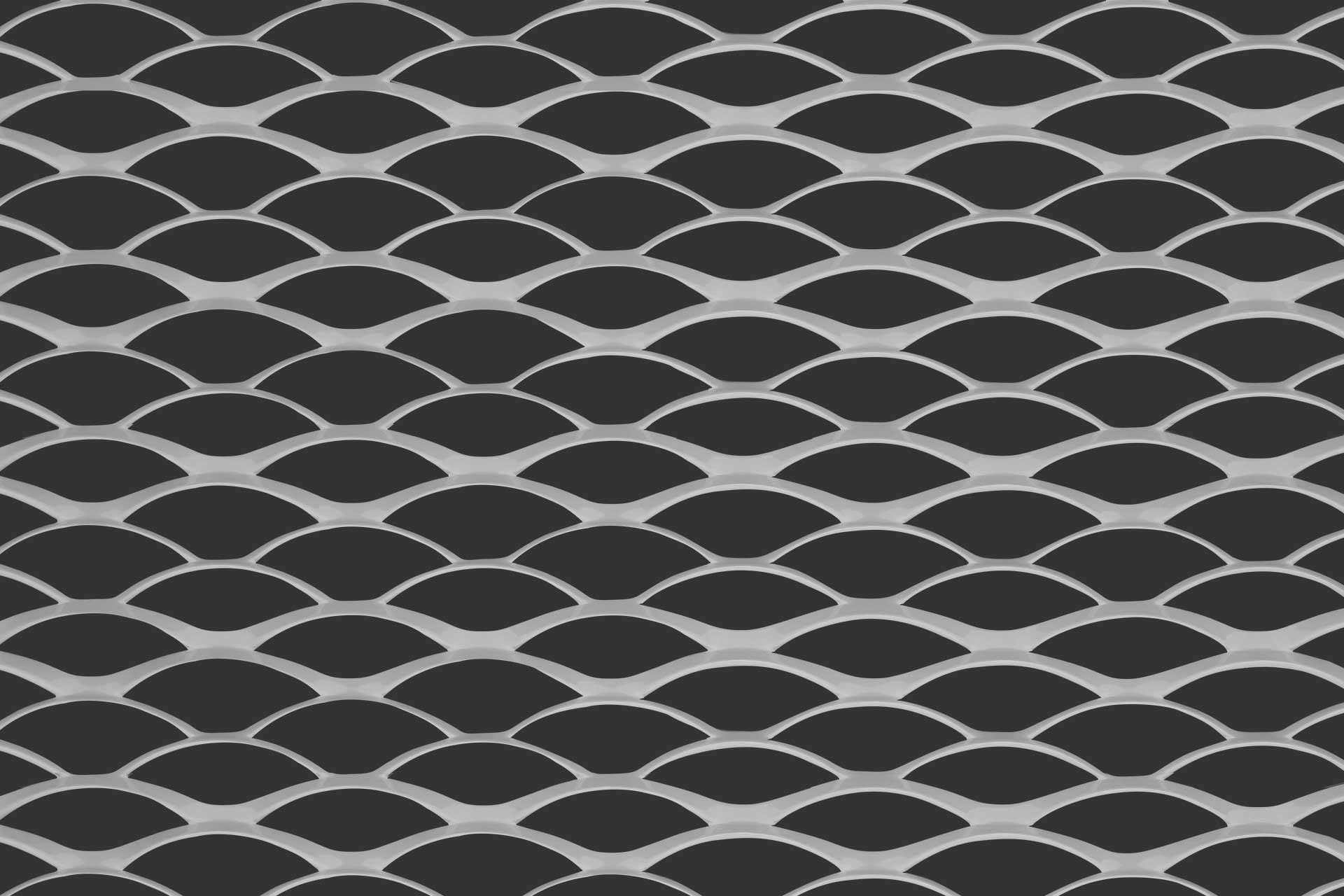
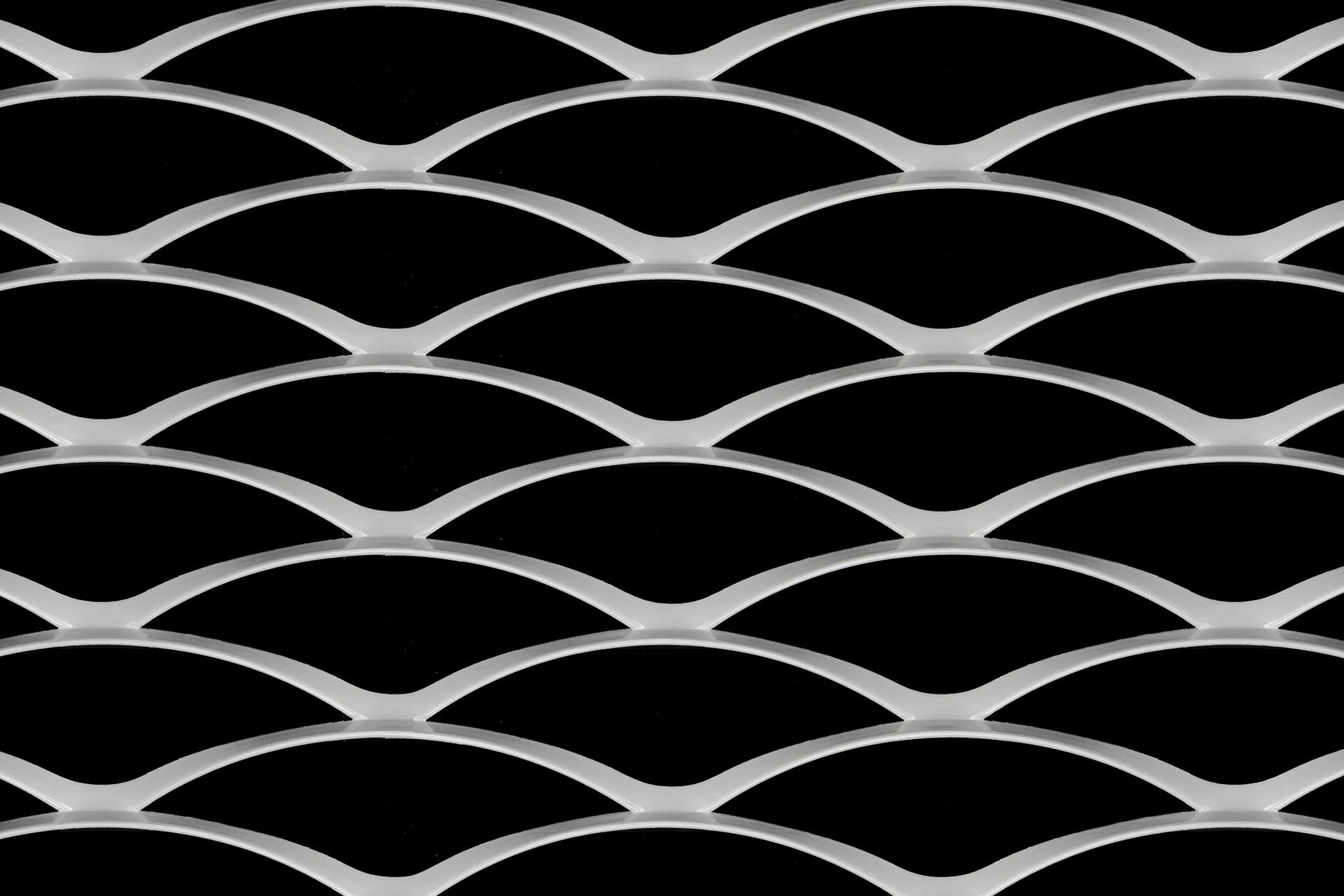
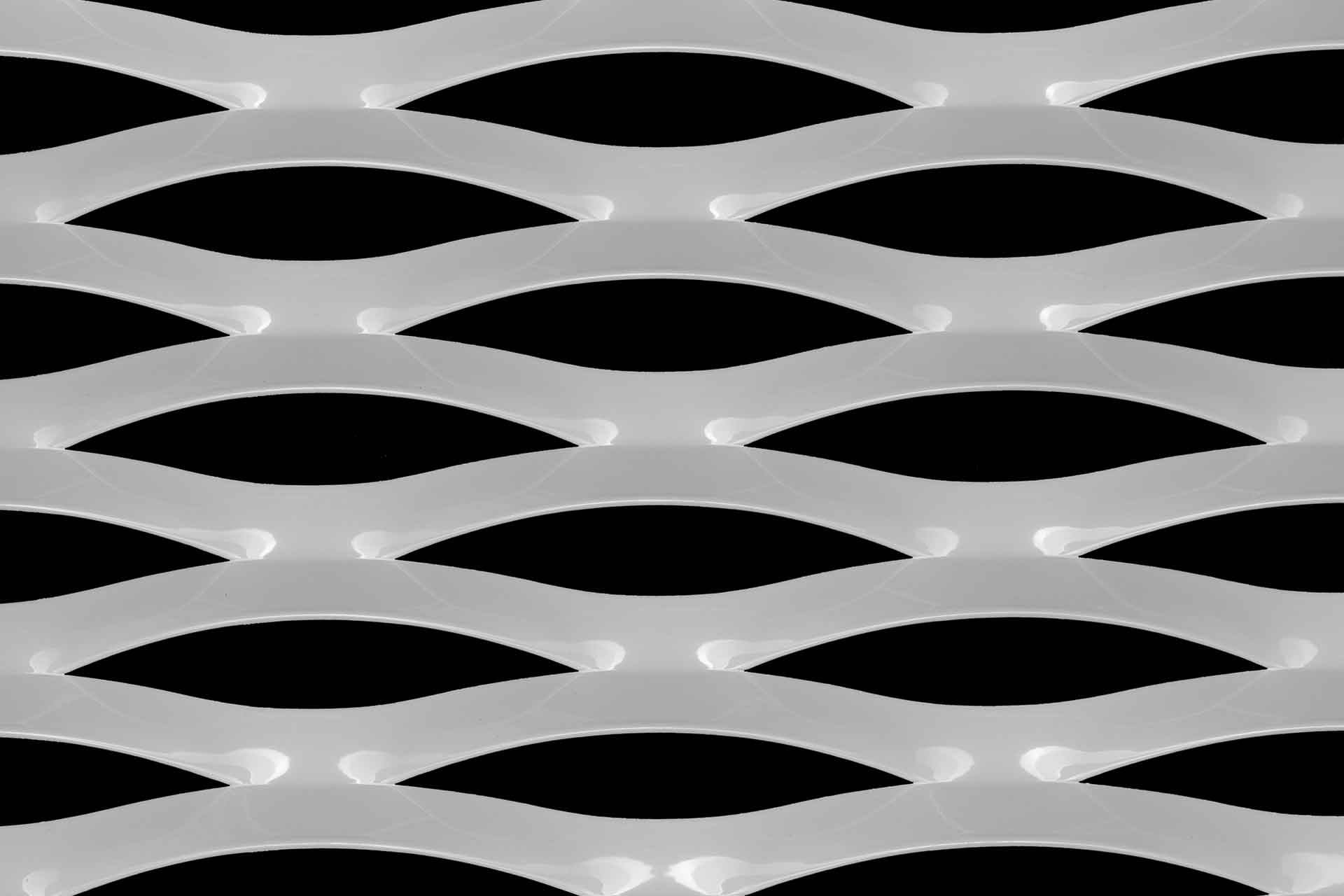
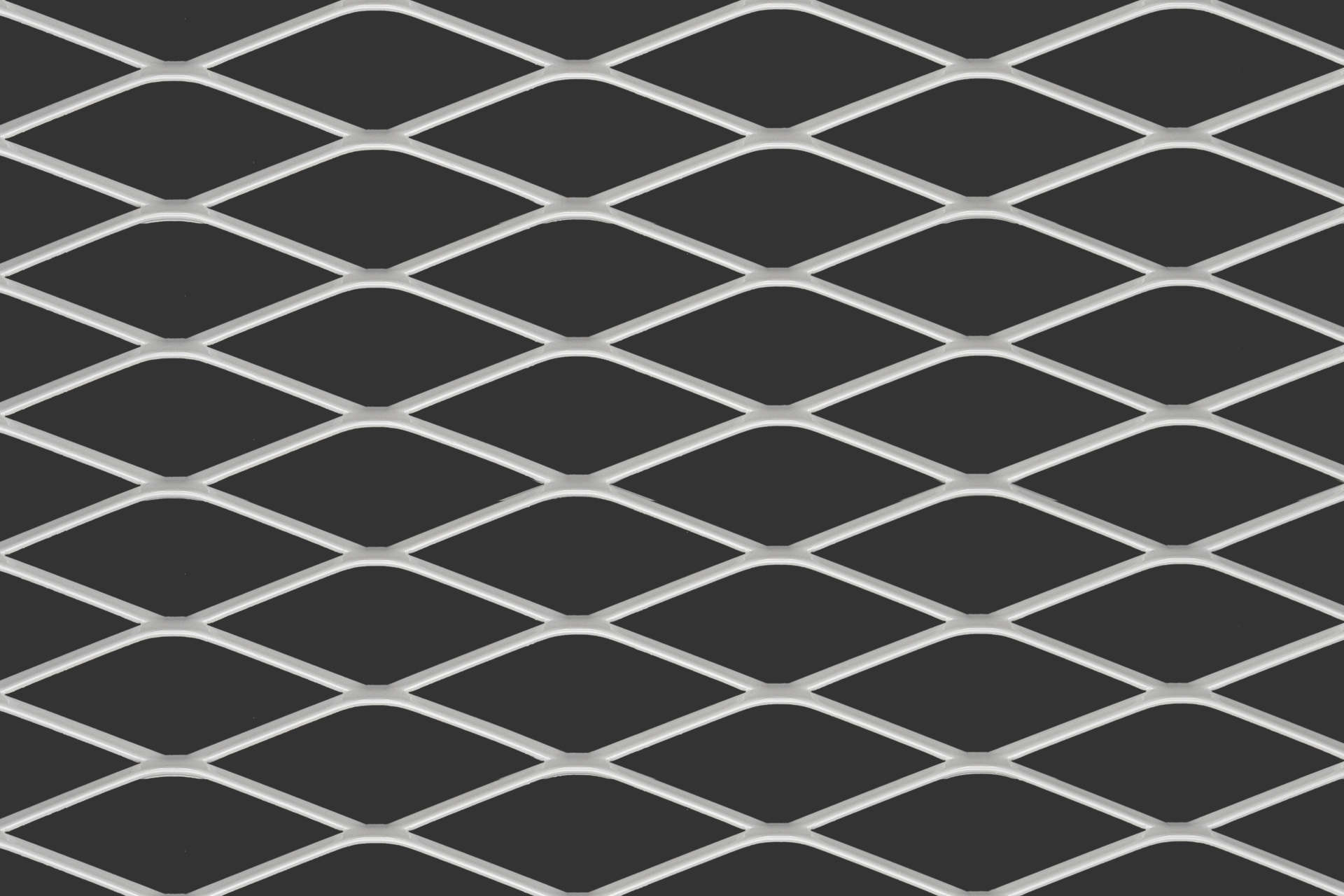
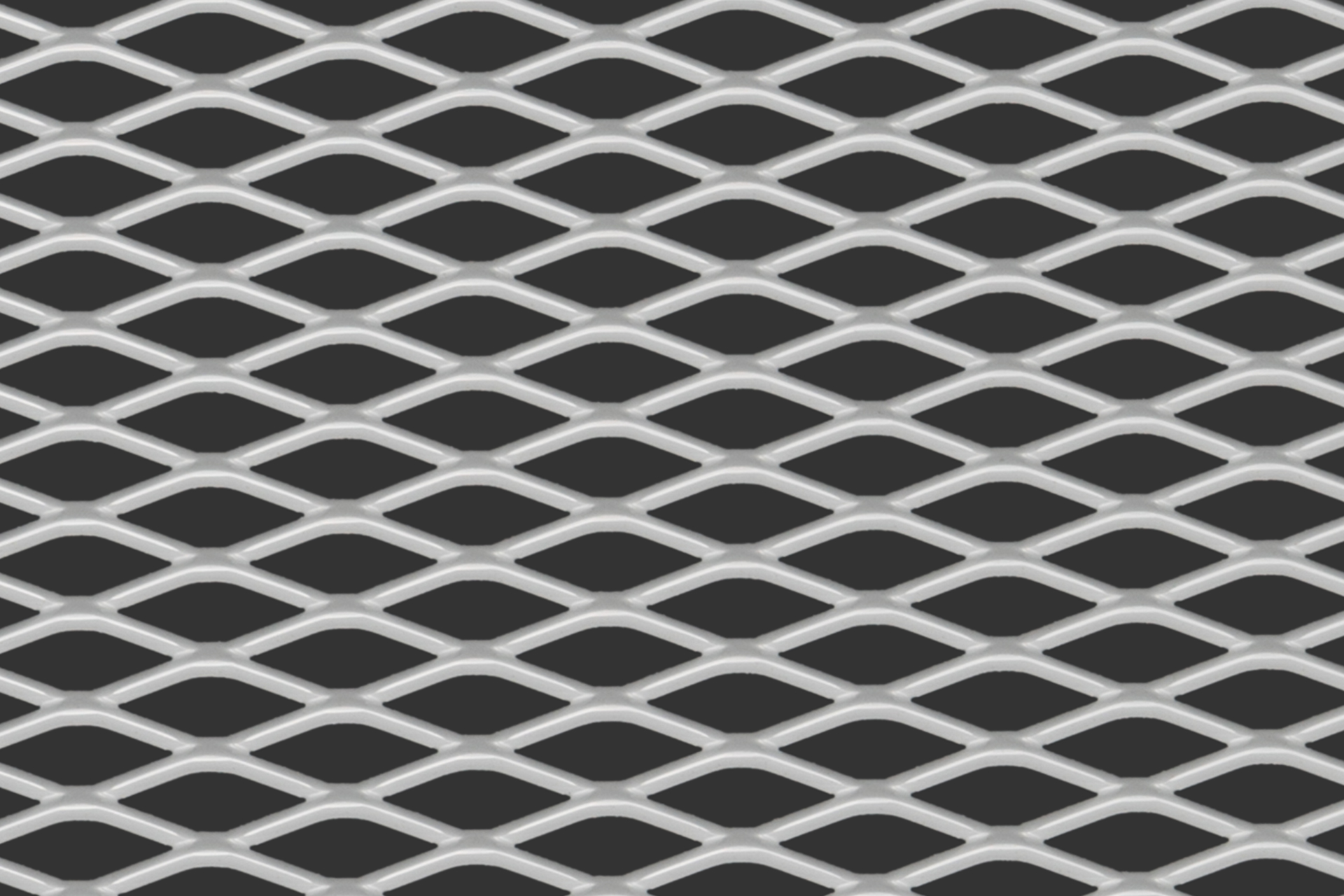
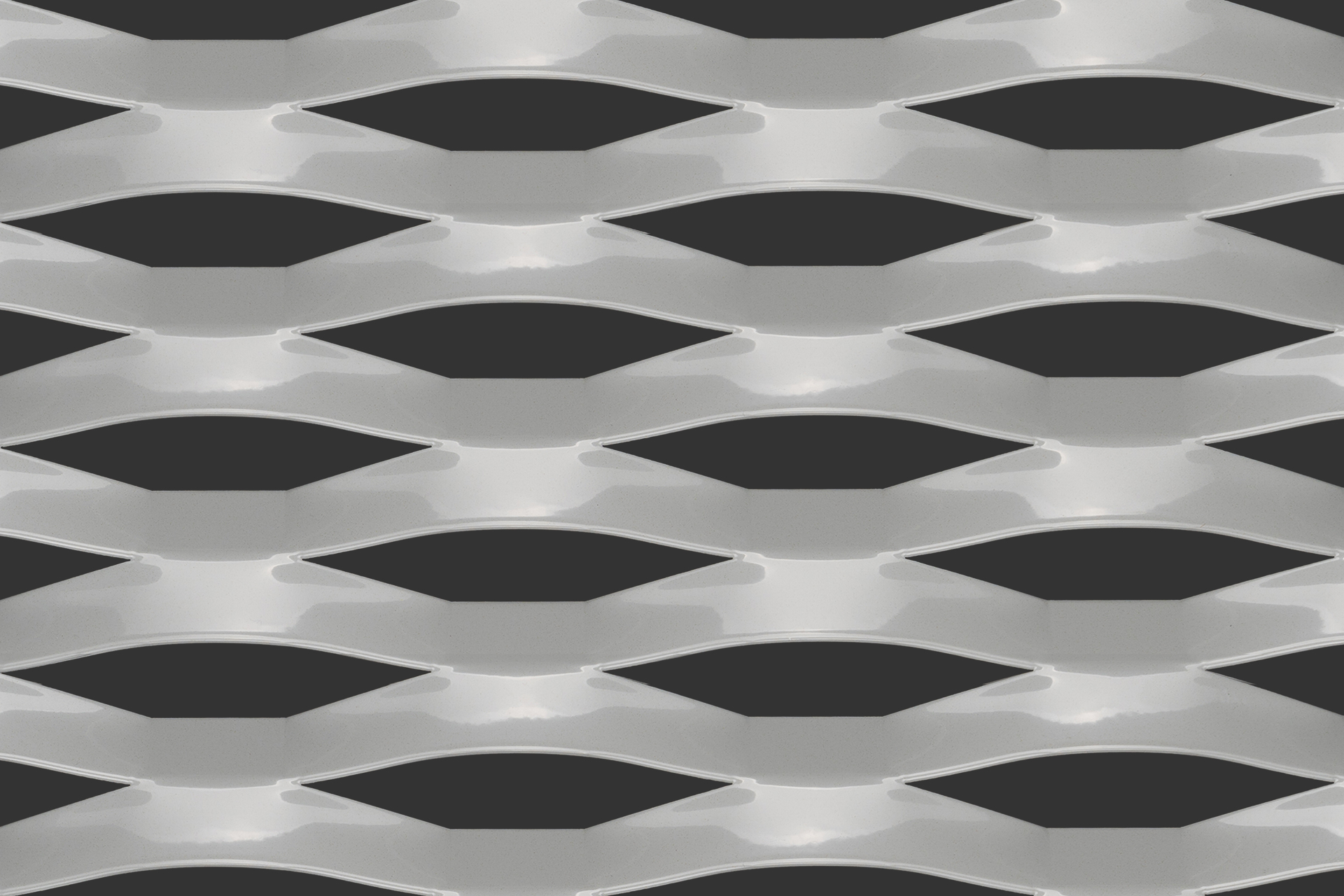
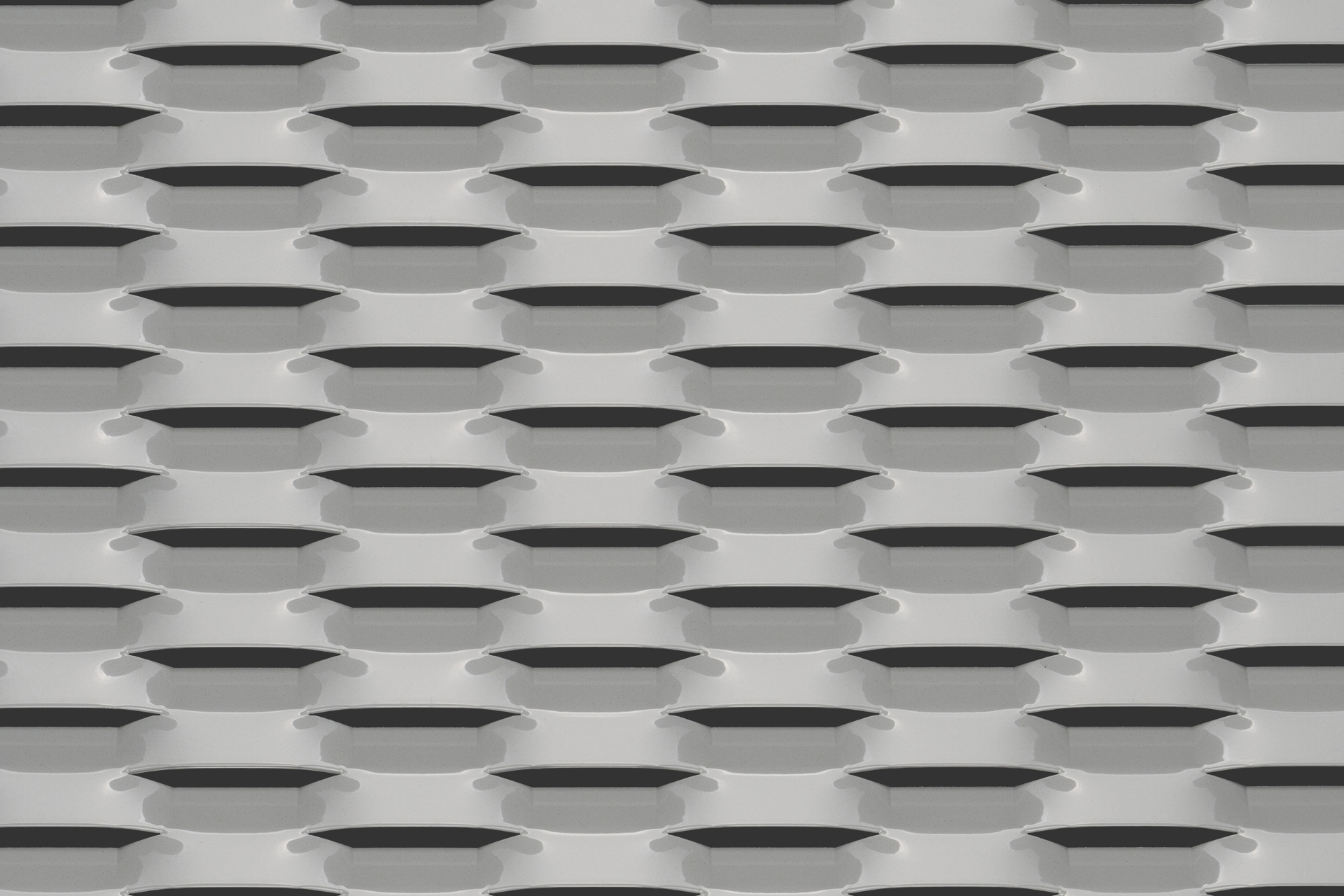
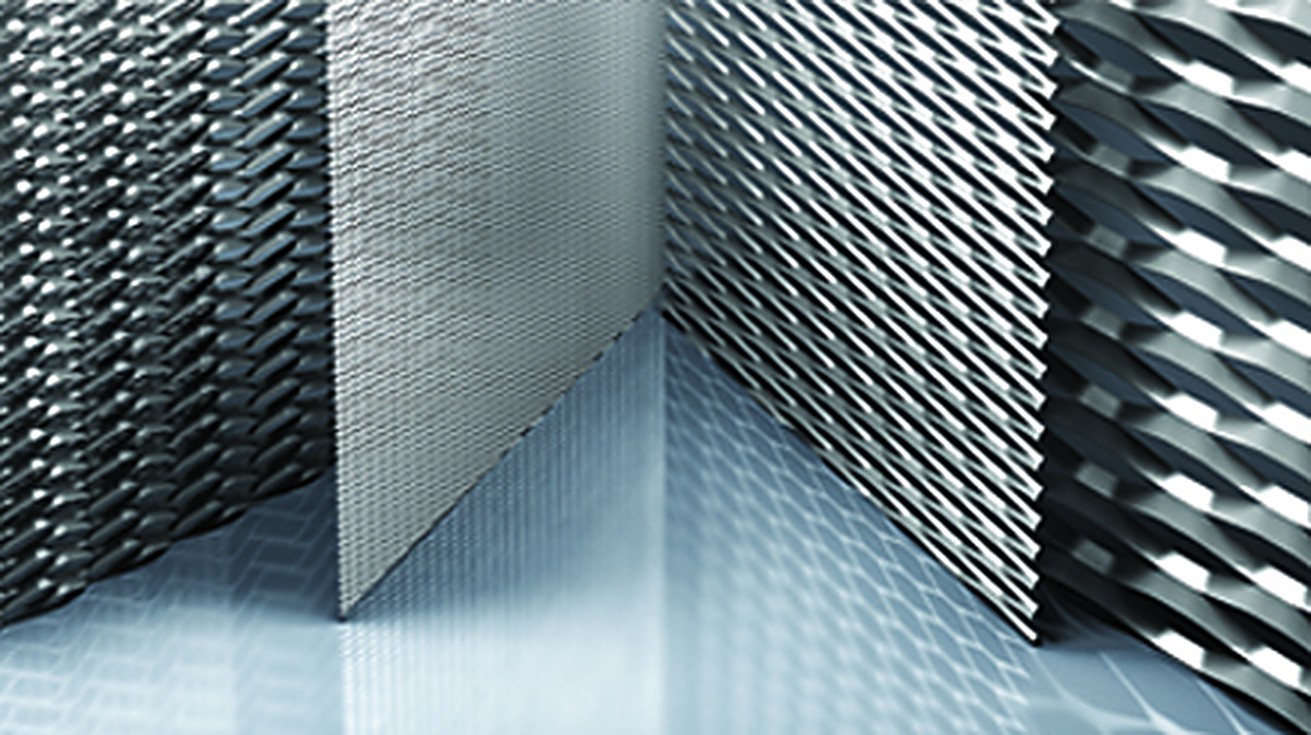
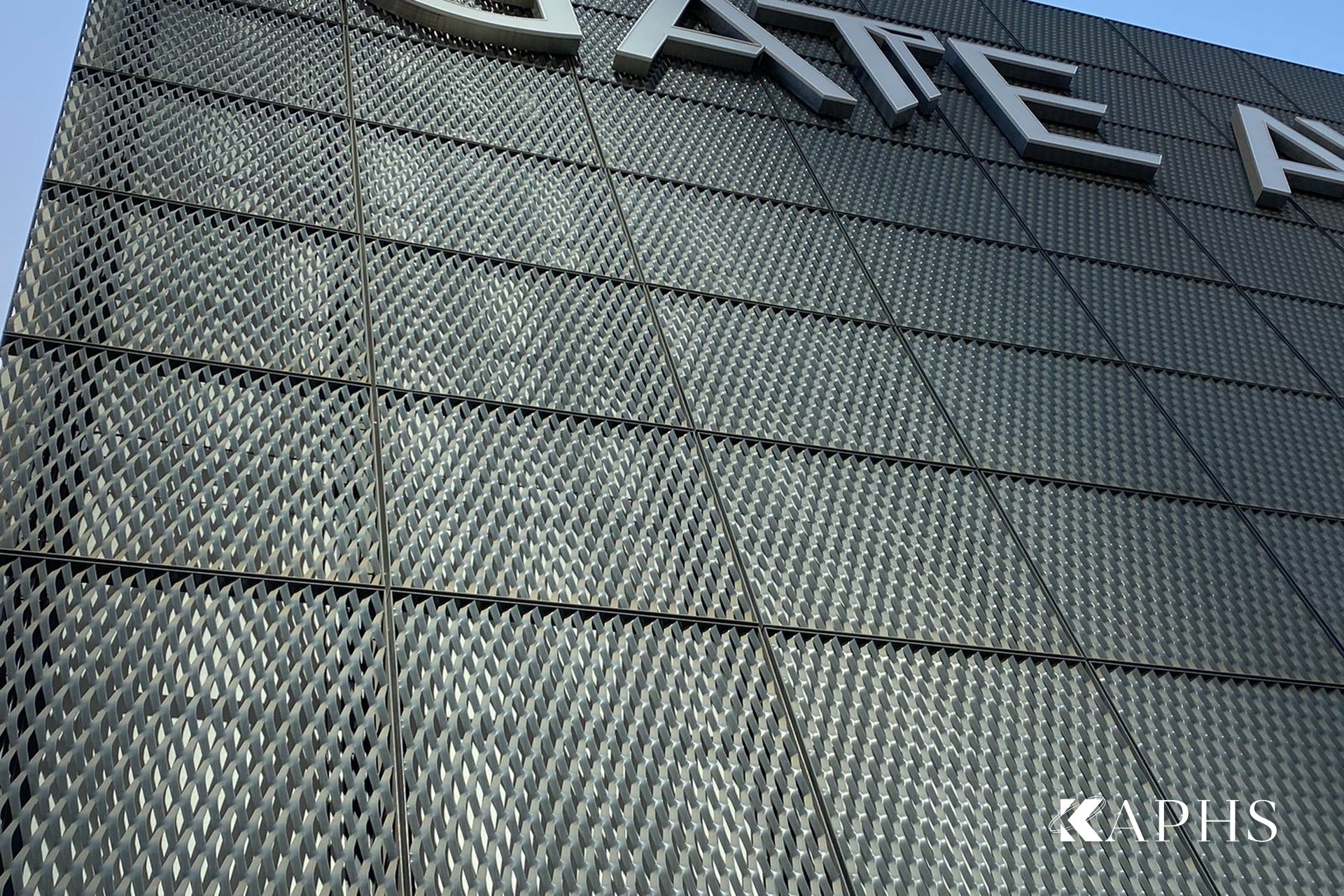
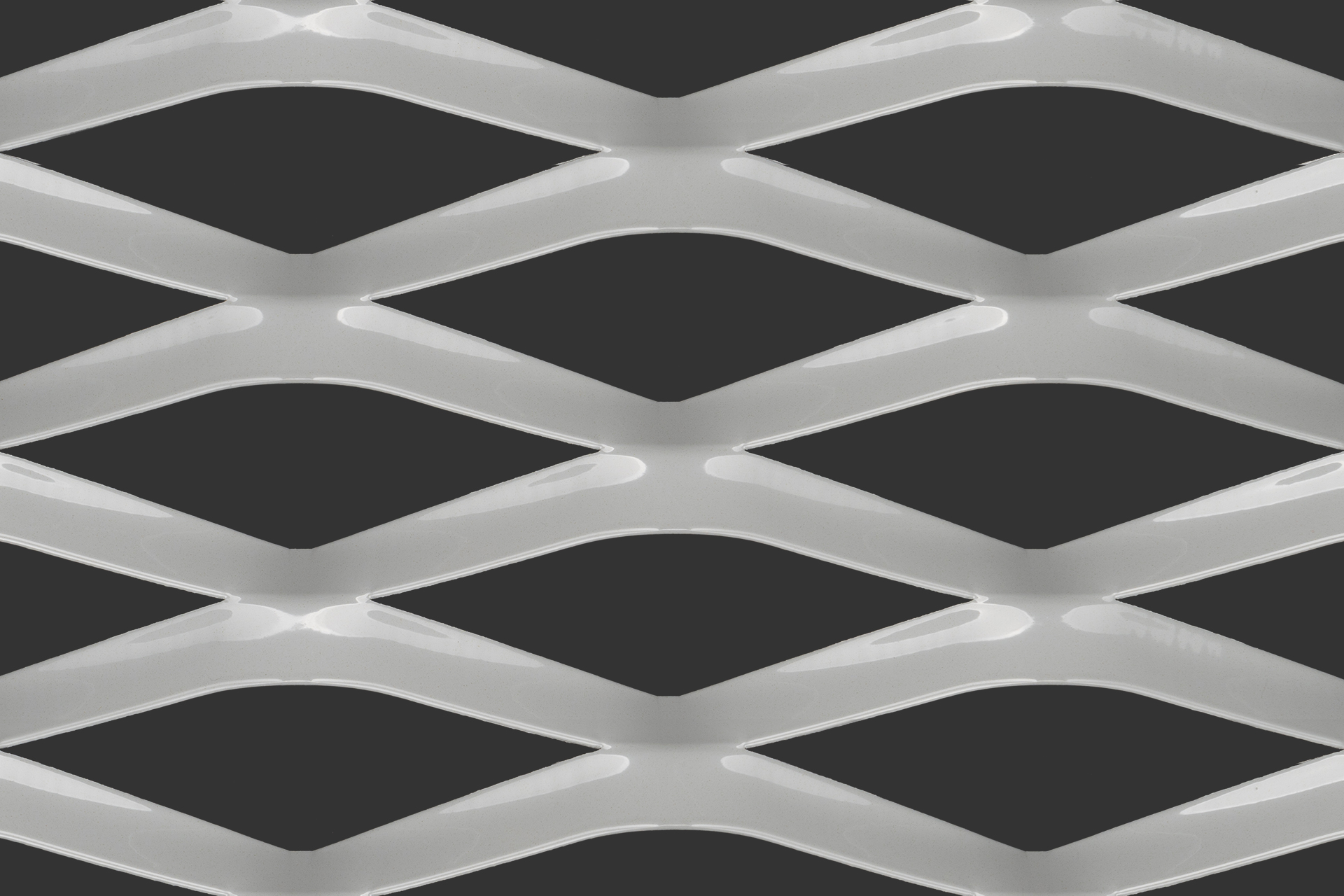
Expanded metal mesh is an innovative material that offers both structural integrity and aesthetic appeal, making it ideal for architectural applications. Created by slitting and stretching a metal sheet, this process produces a mesh with a distinctive shaped patterns that enhances the material’s strength while maintaining a lightweight profile.  
Product Image
Product Image
Product Image

Expanded Metal Mesh

Expanded Metal Mesh

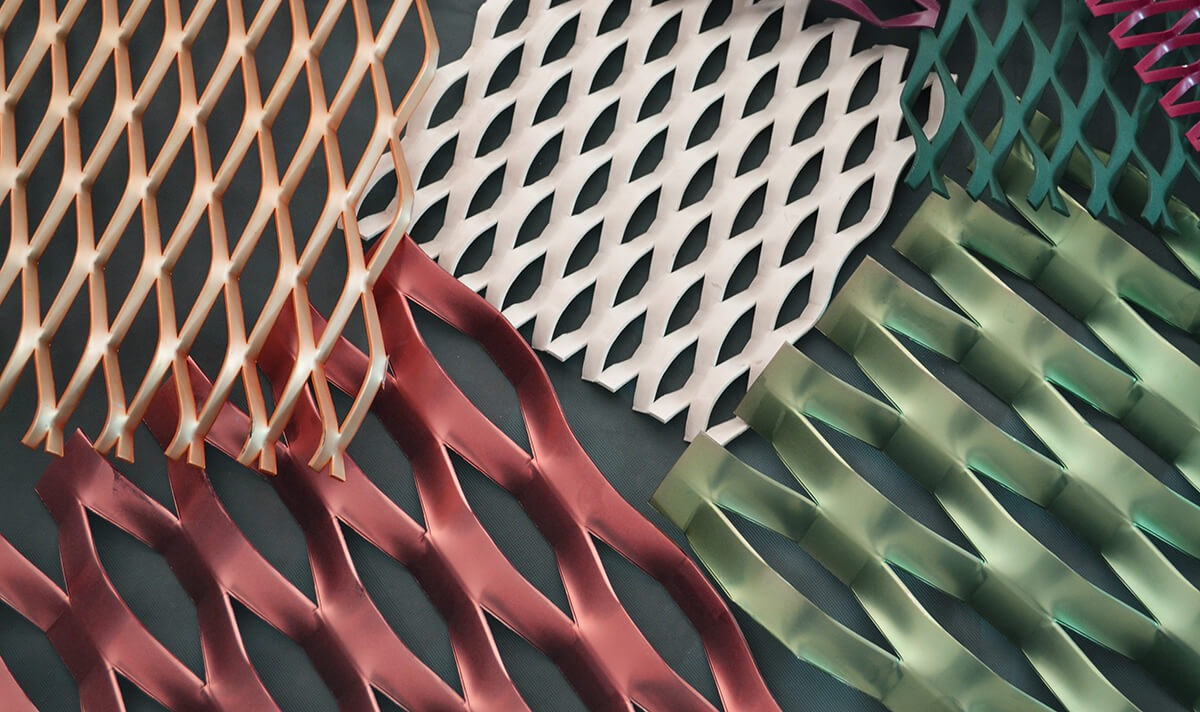
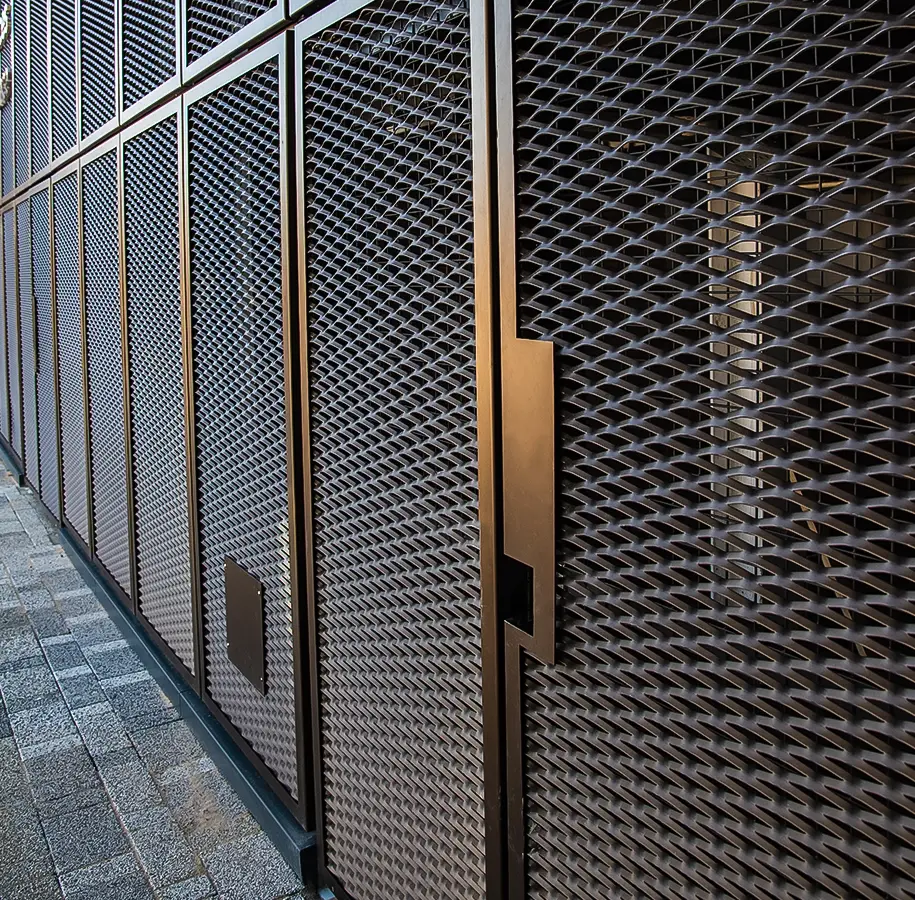
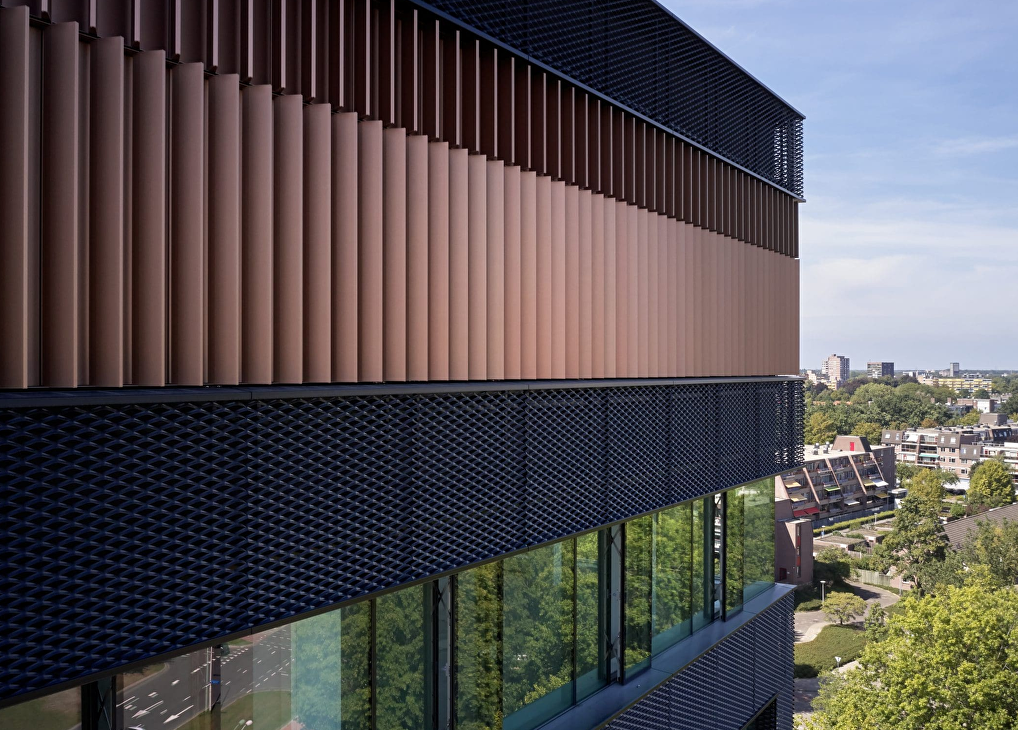
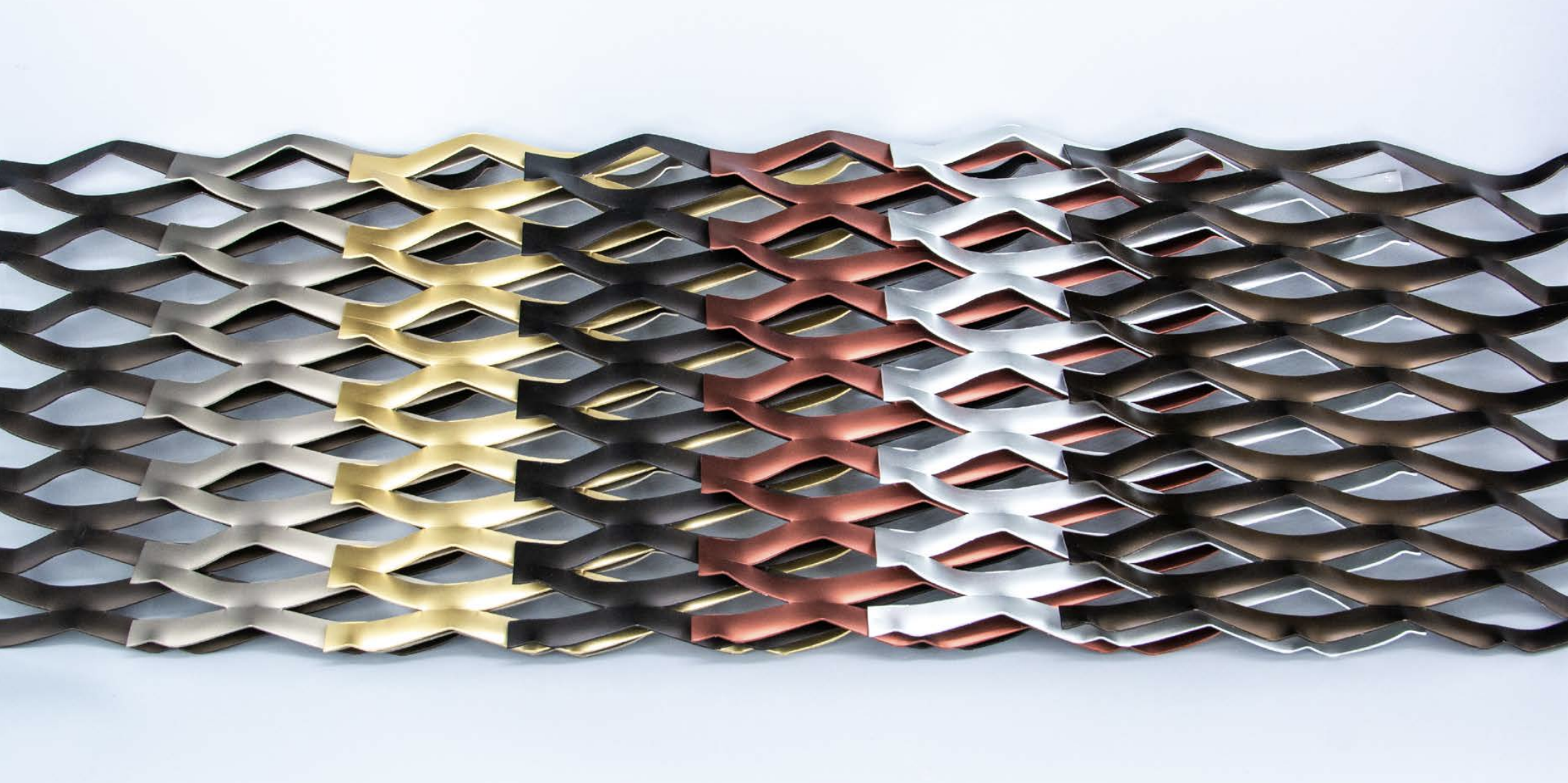
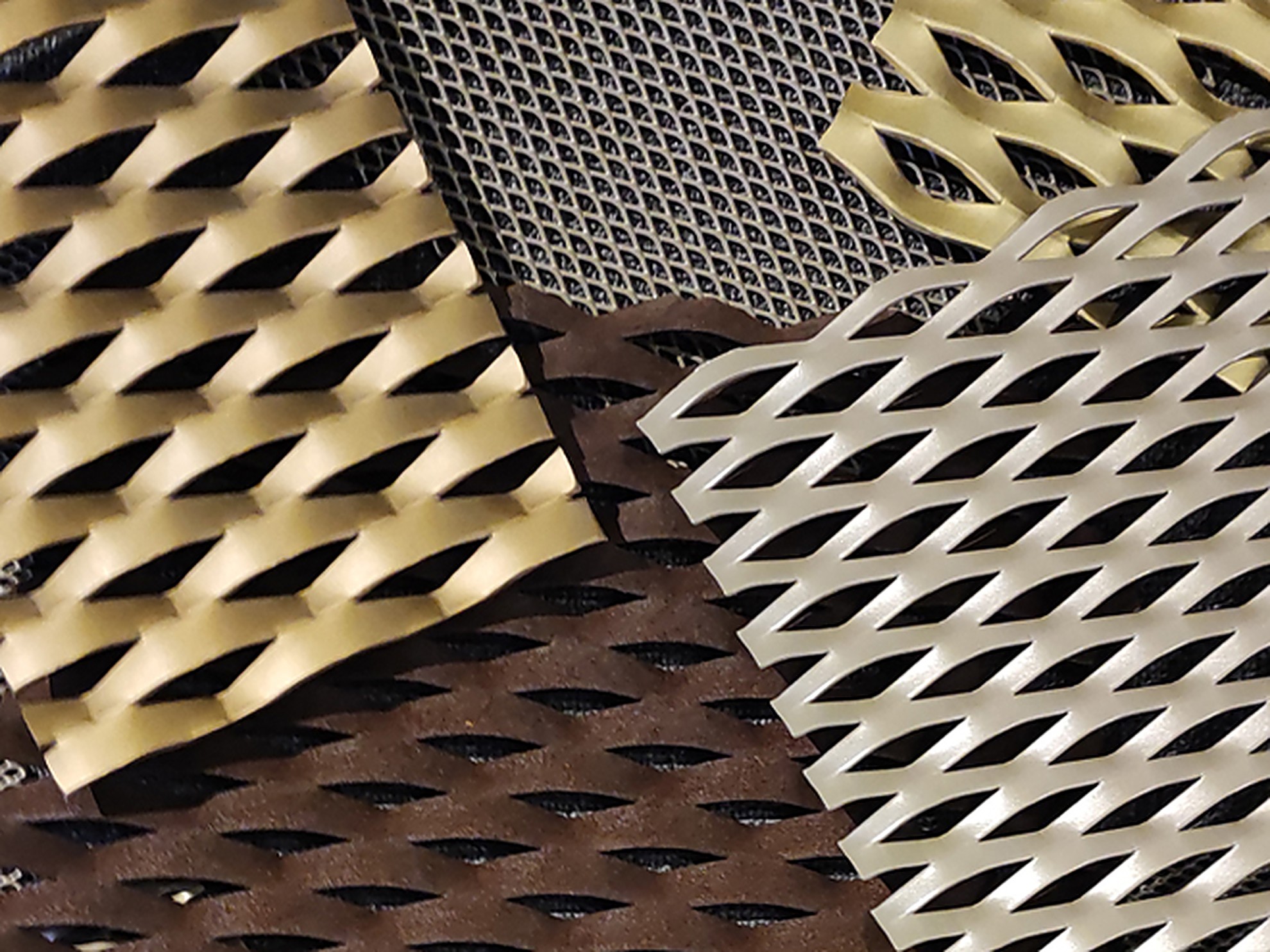
For architects, expanded metal mesh provides a versatile design element that can be tailored to various applications, including facades, sunshades, partitions, and decorative panels. Its open design allows for natural light and airflow, creating dynamic visual effects and improving energy efficiency within spaces. Additionally, the material can be customized with various finishes, such as anodizing or powder coating, to meet specific aesthetic and durability requirements. 

Expanded Metal Mesh

Applications

Expanded Metal Mesh is a highly versatile material used across a wide range of architectural applications due to its unique combination of strength, durability, and aesthetic appeal. 

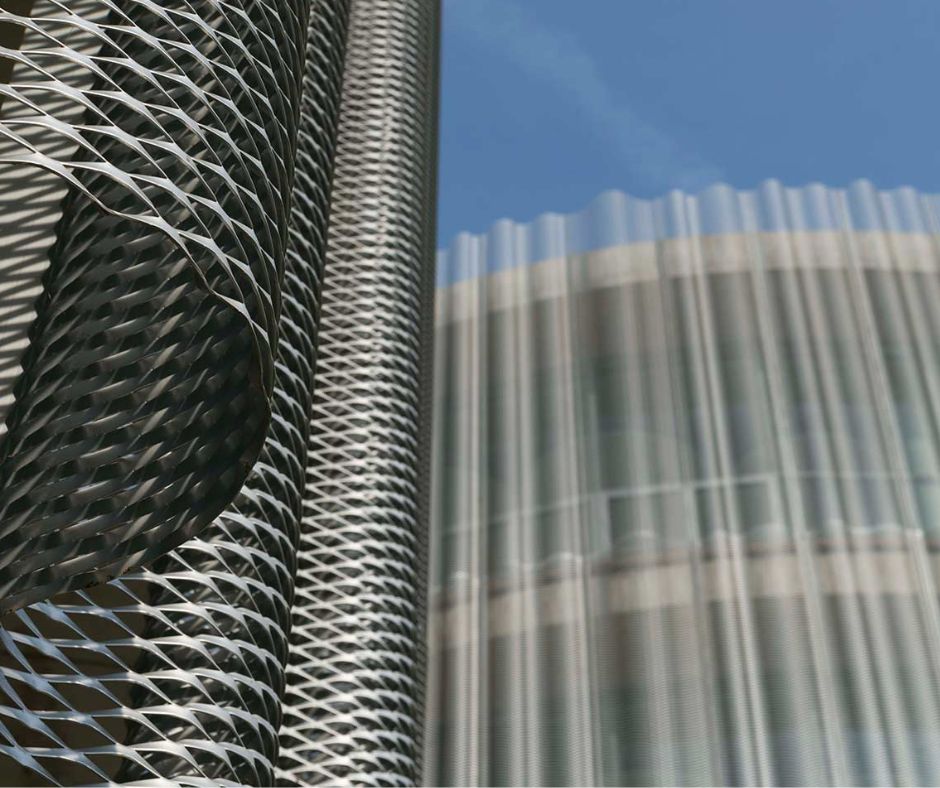
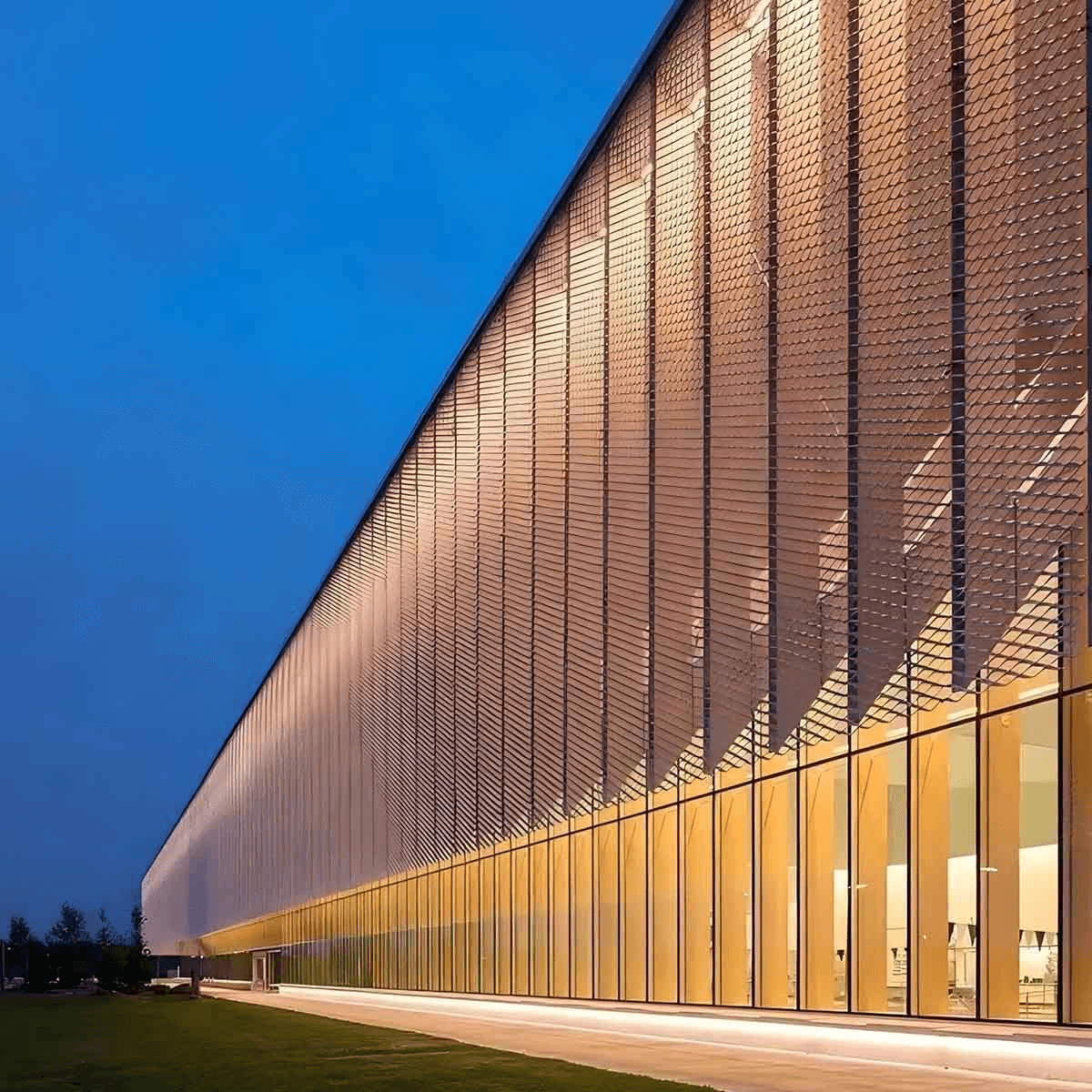
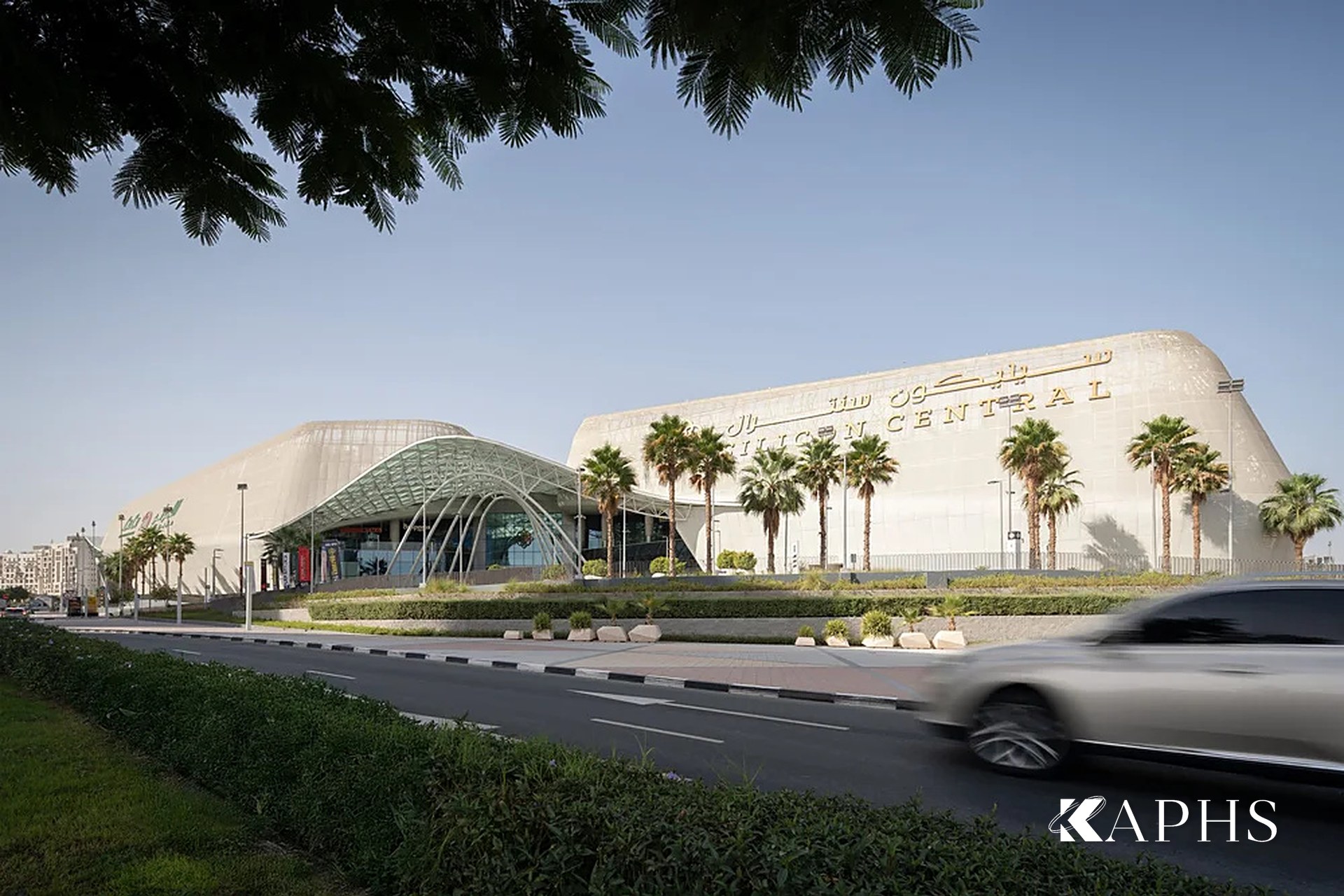
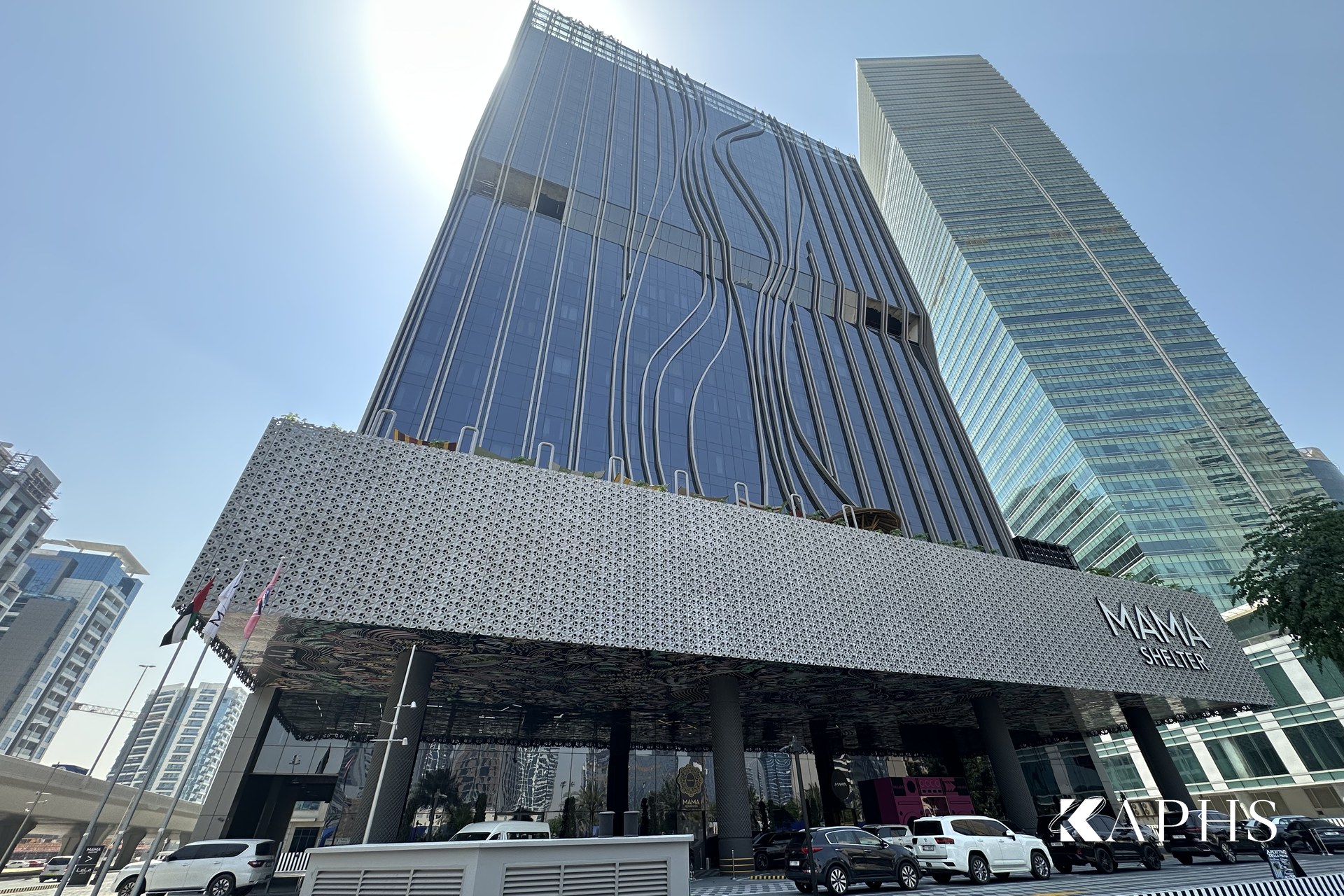
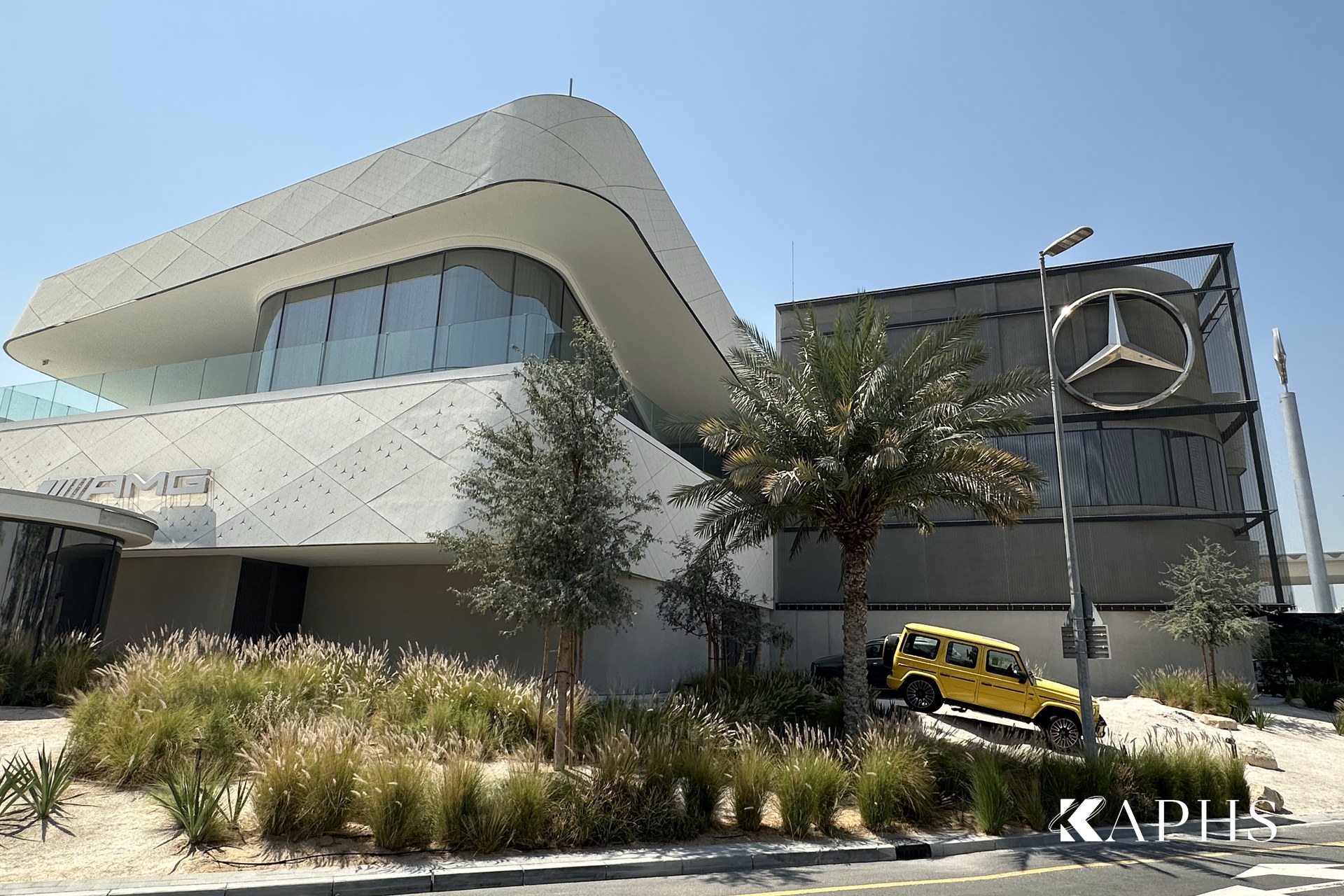
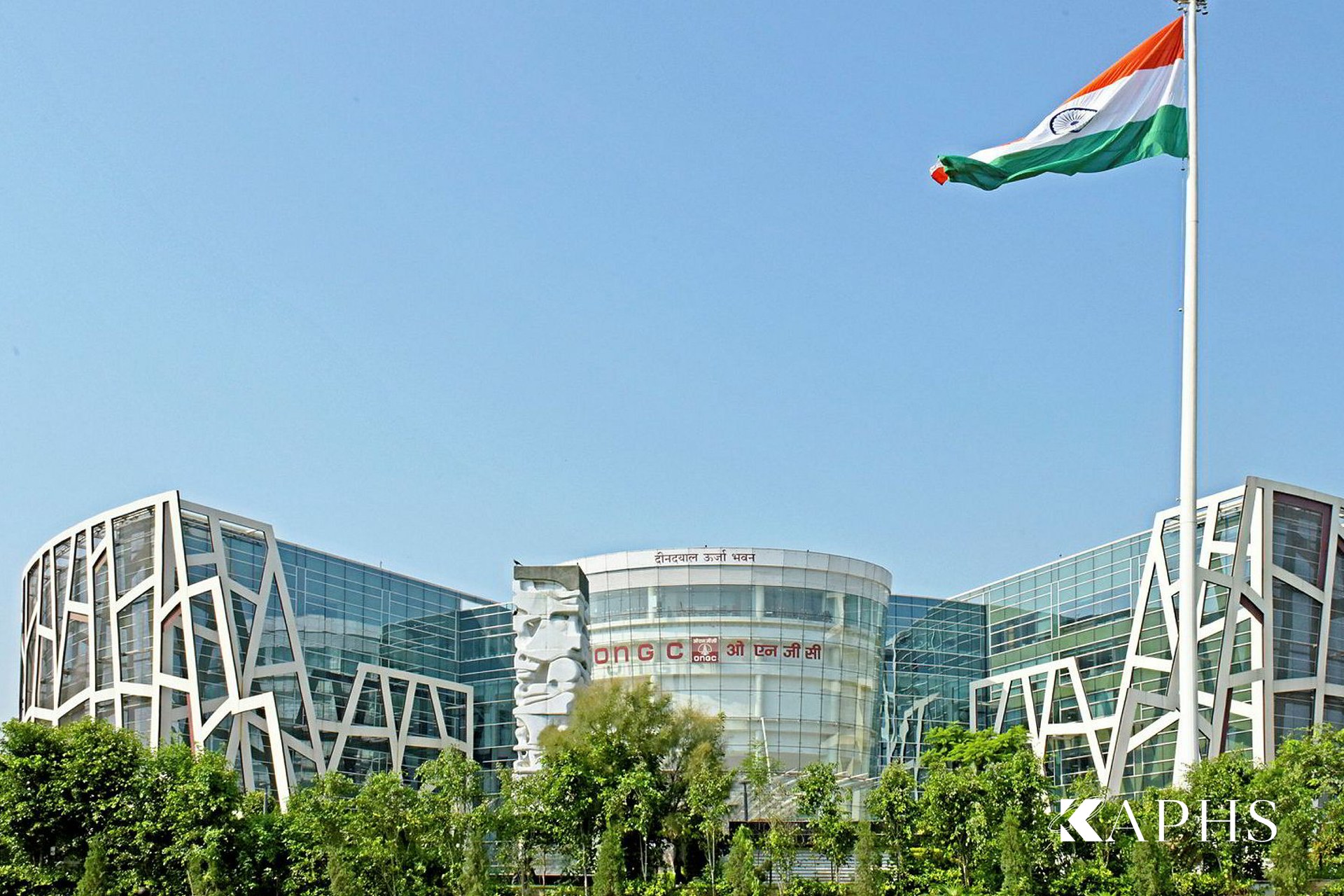
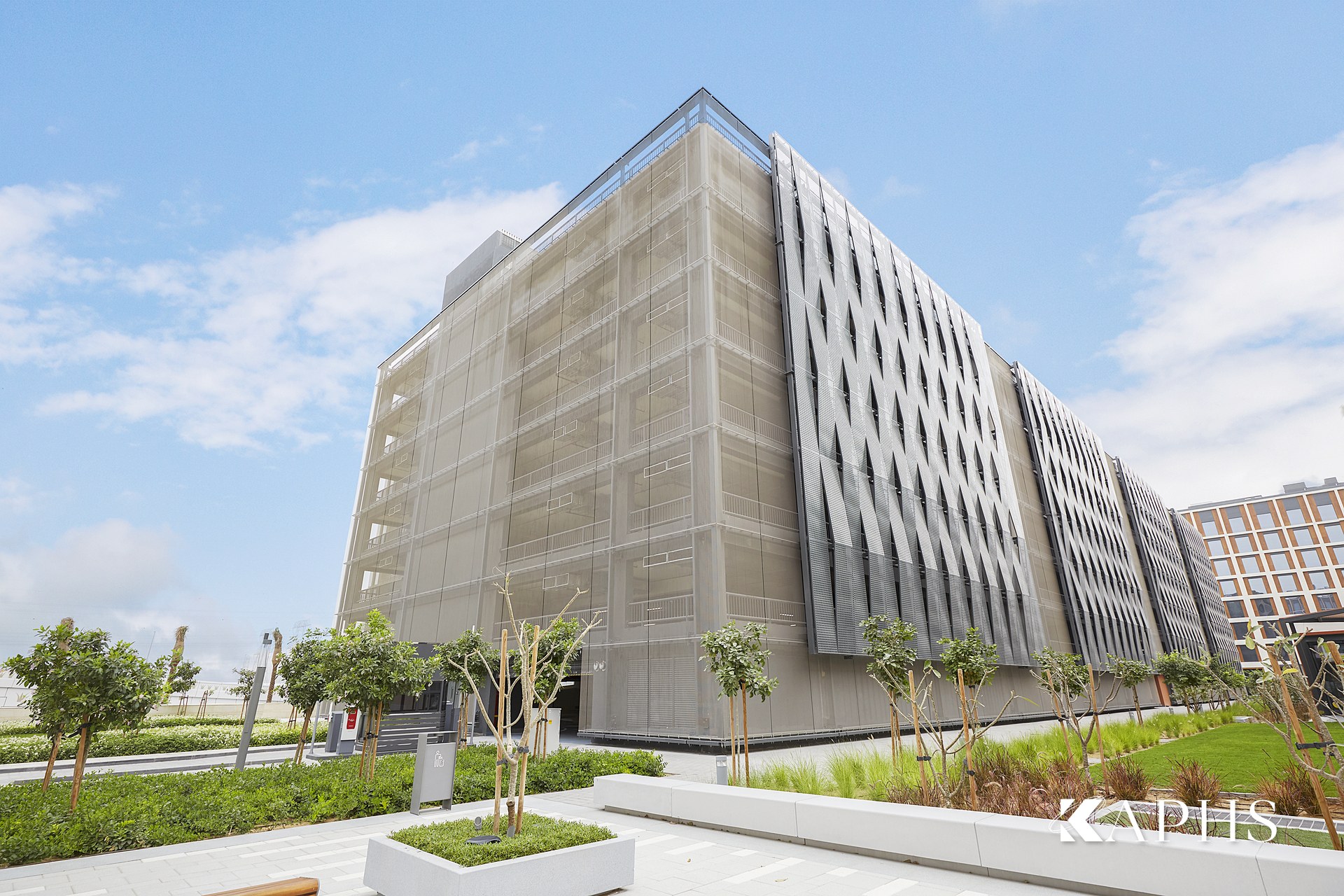
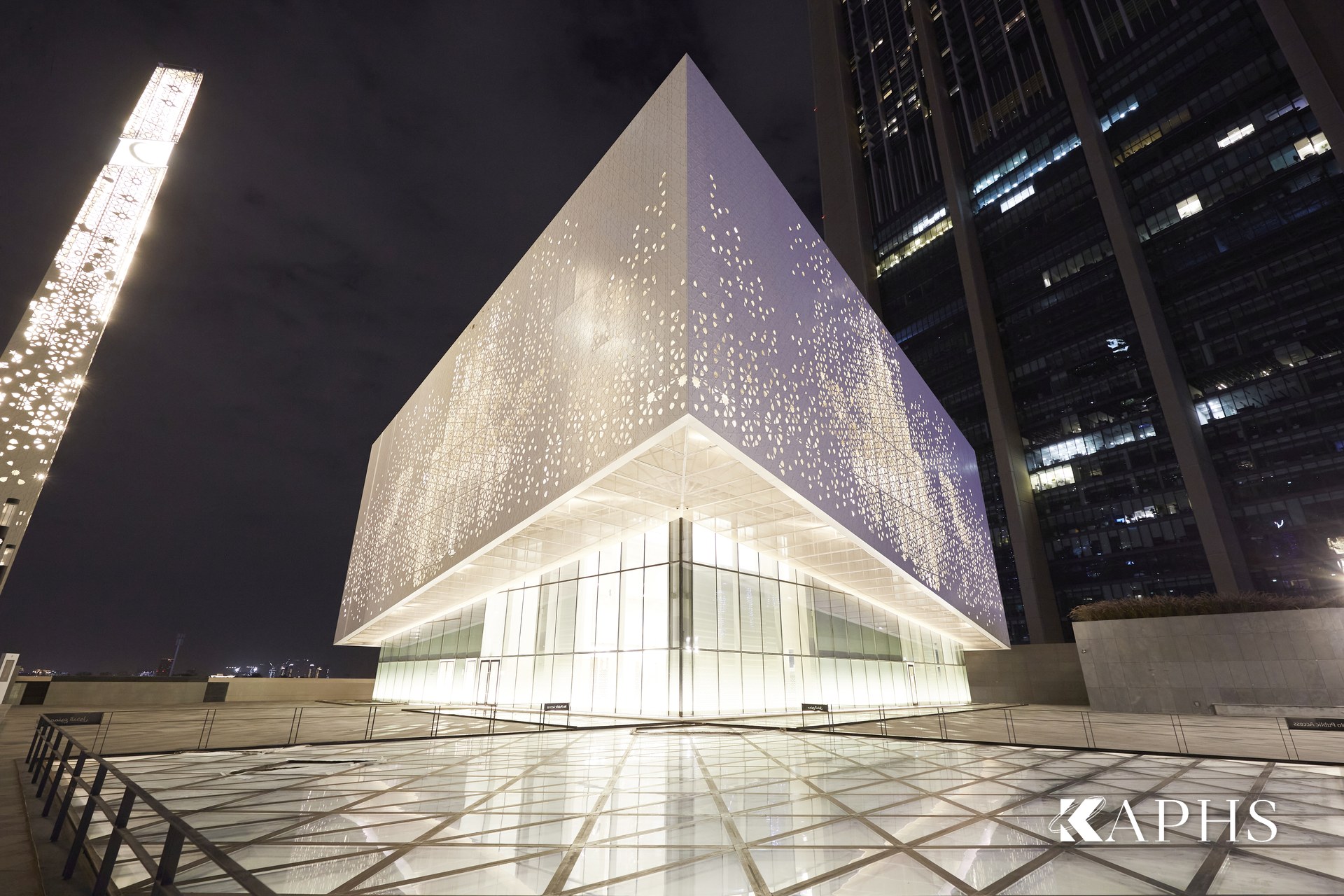
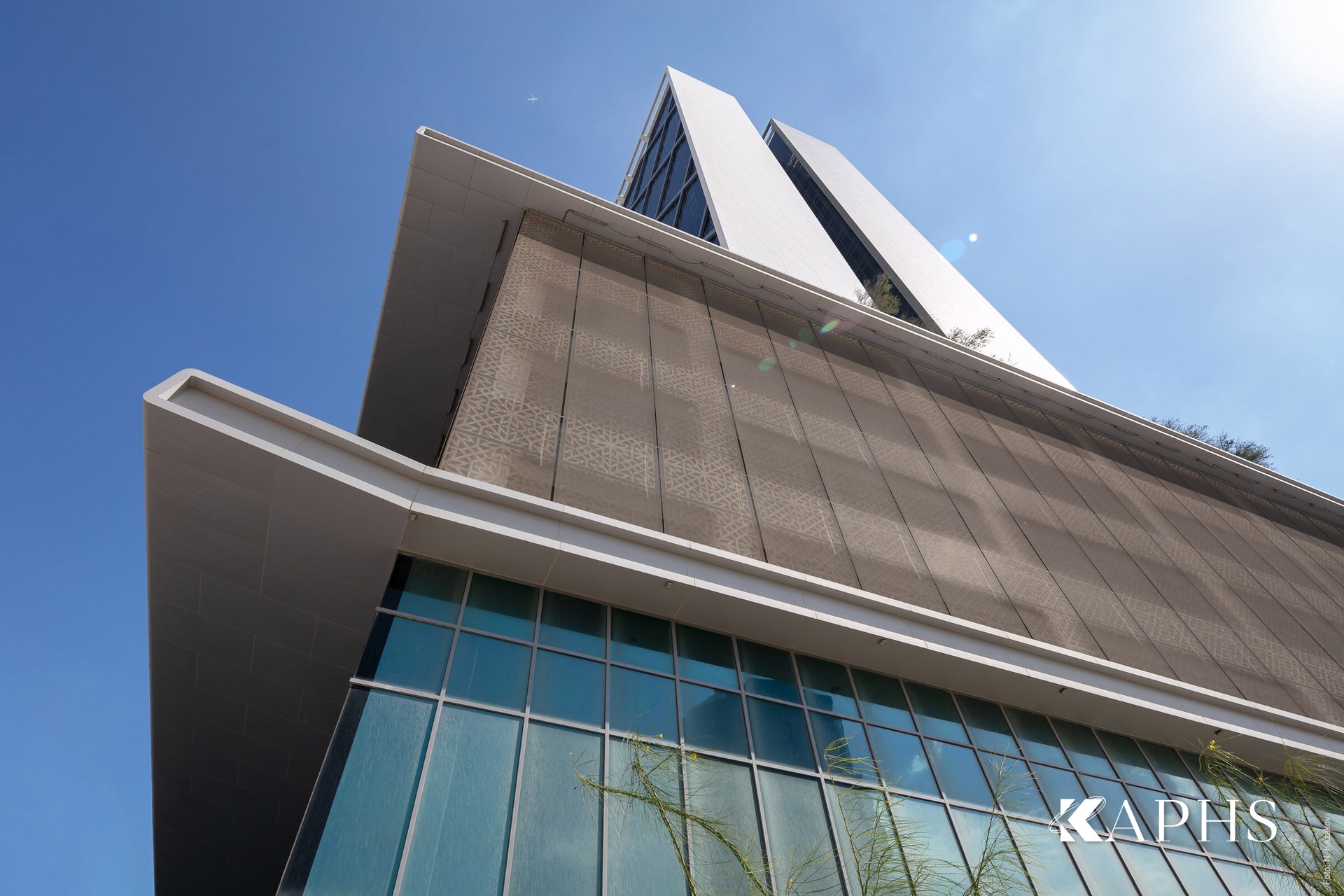
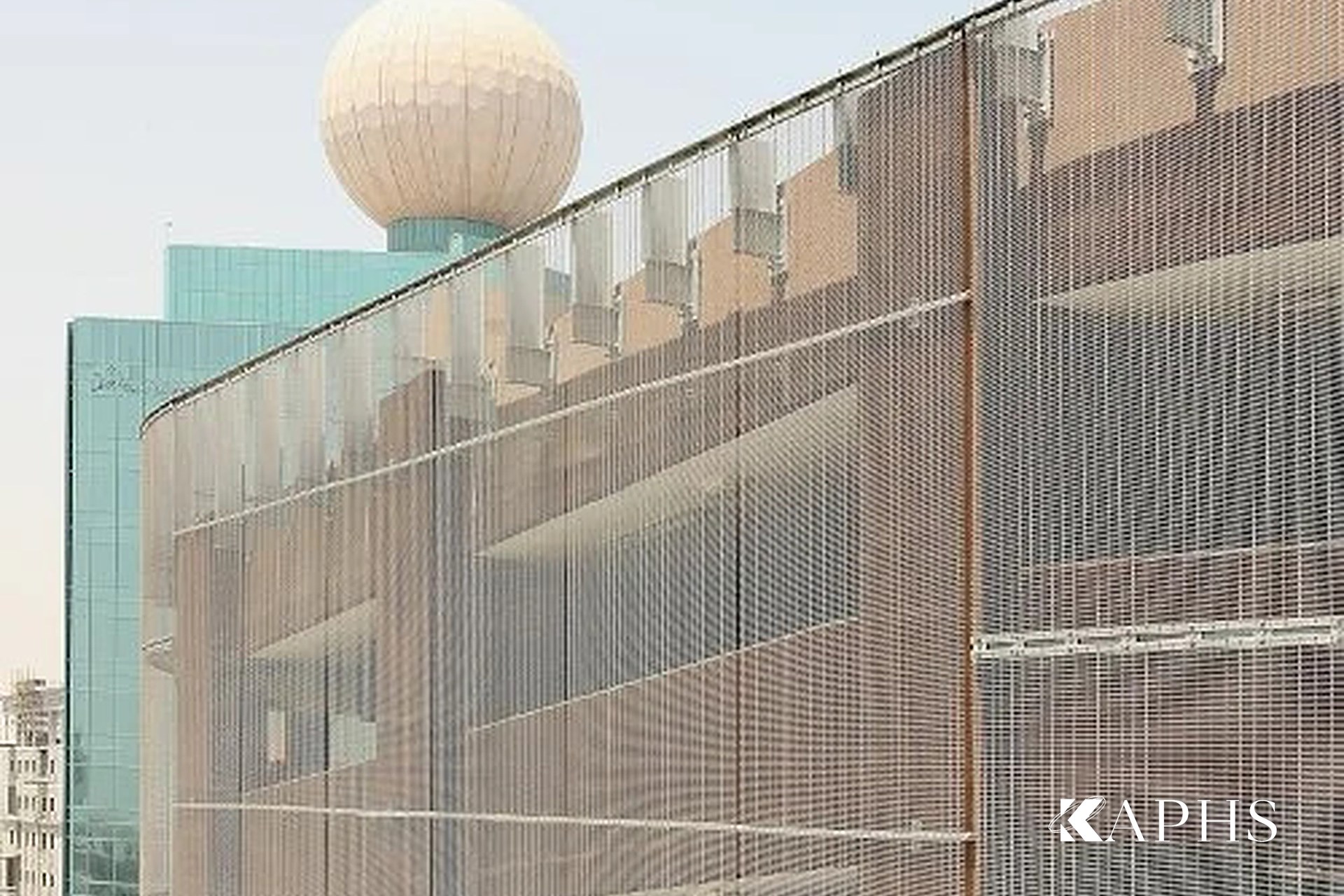
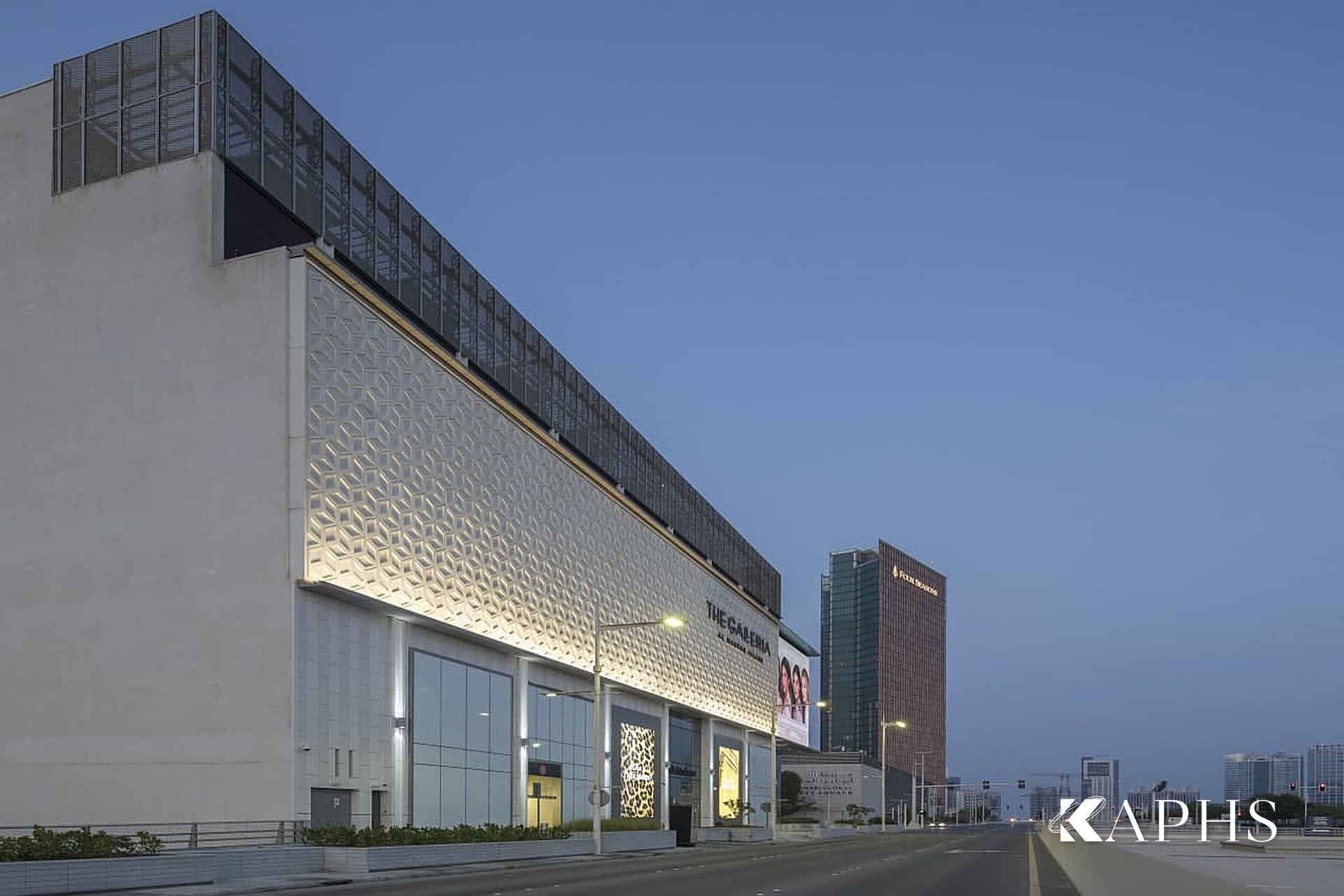
Facades: Expanded metal mesh is widely used in building facades and cladding to create visually striking exteriors. Its open design allows for dynamic light and shadow effects while providing ventilation and protection against the elements 

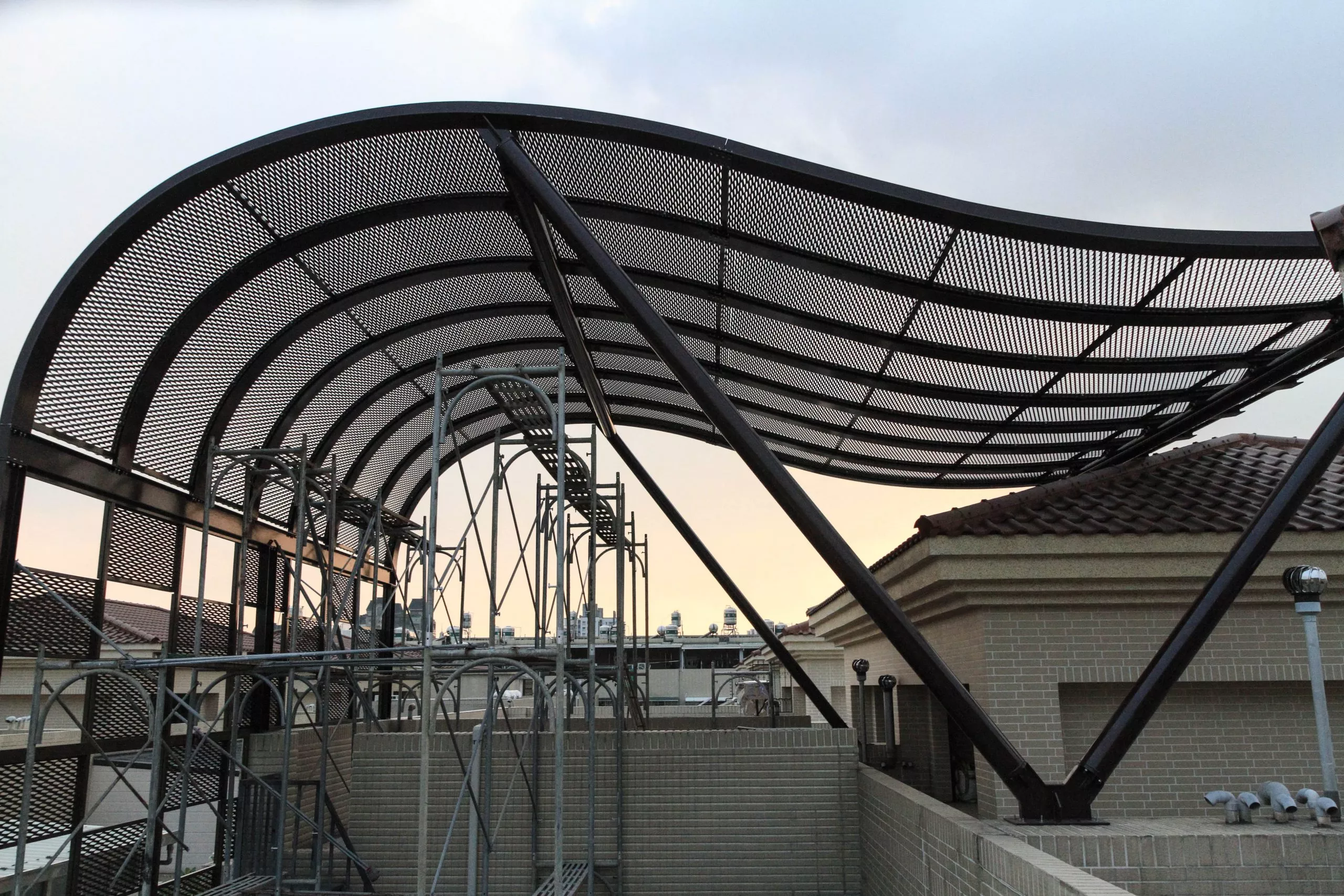
Canopies: The material is ideal for canopies, offering excellent control over natural light and reducing solar heat gain in buildings. The mesh can be designed to allow just the right amount of sunlight to filter through, contributing to energy efficiency. 

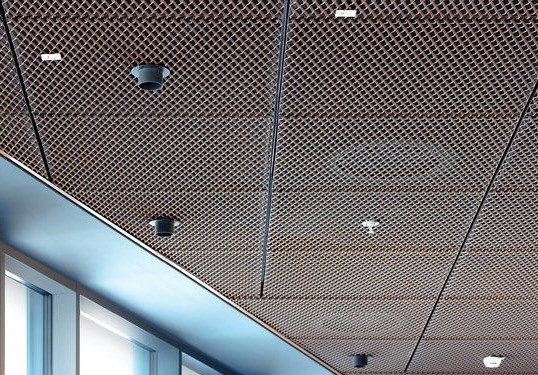
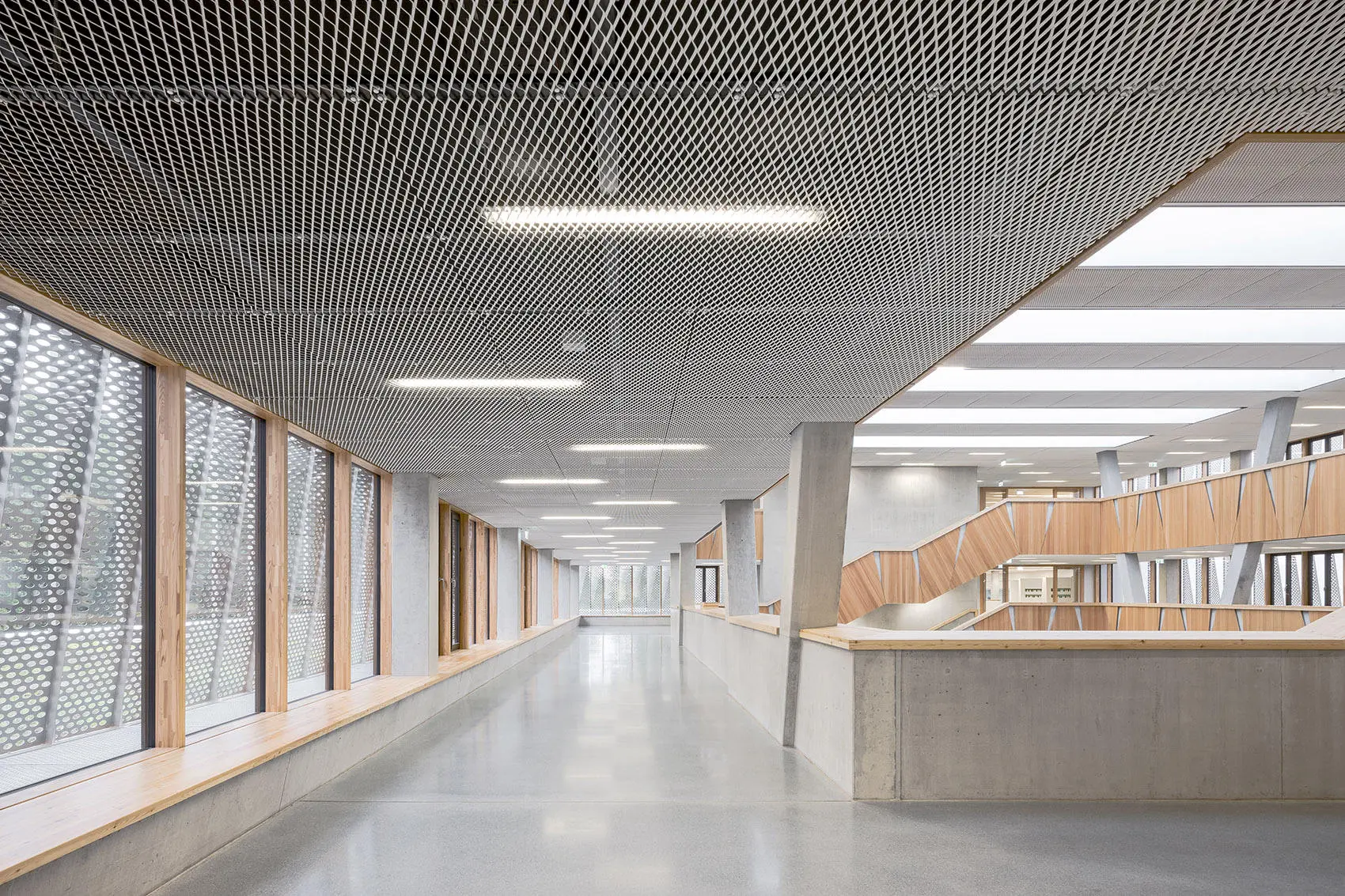
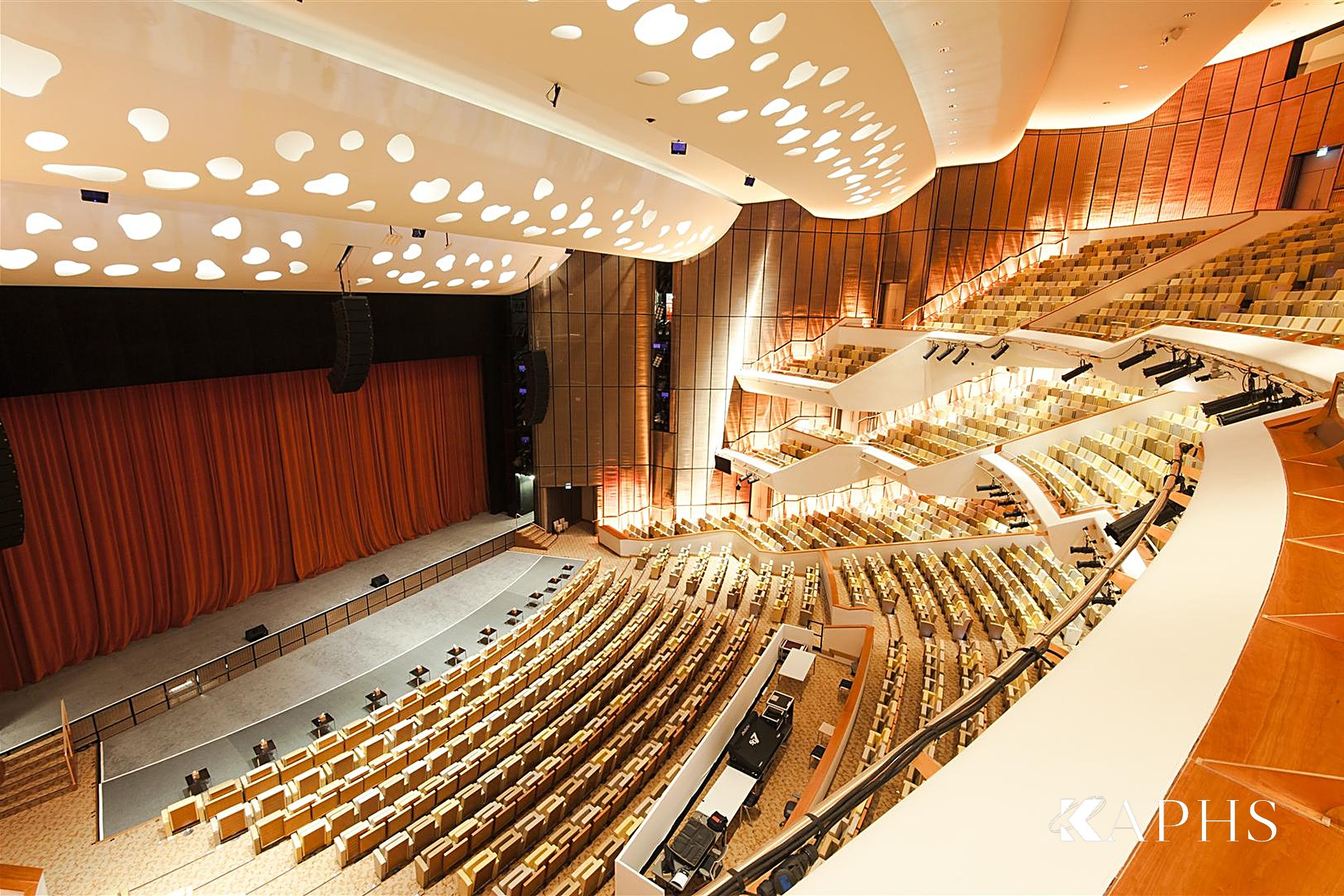
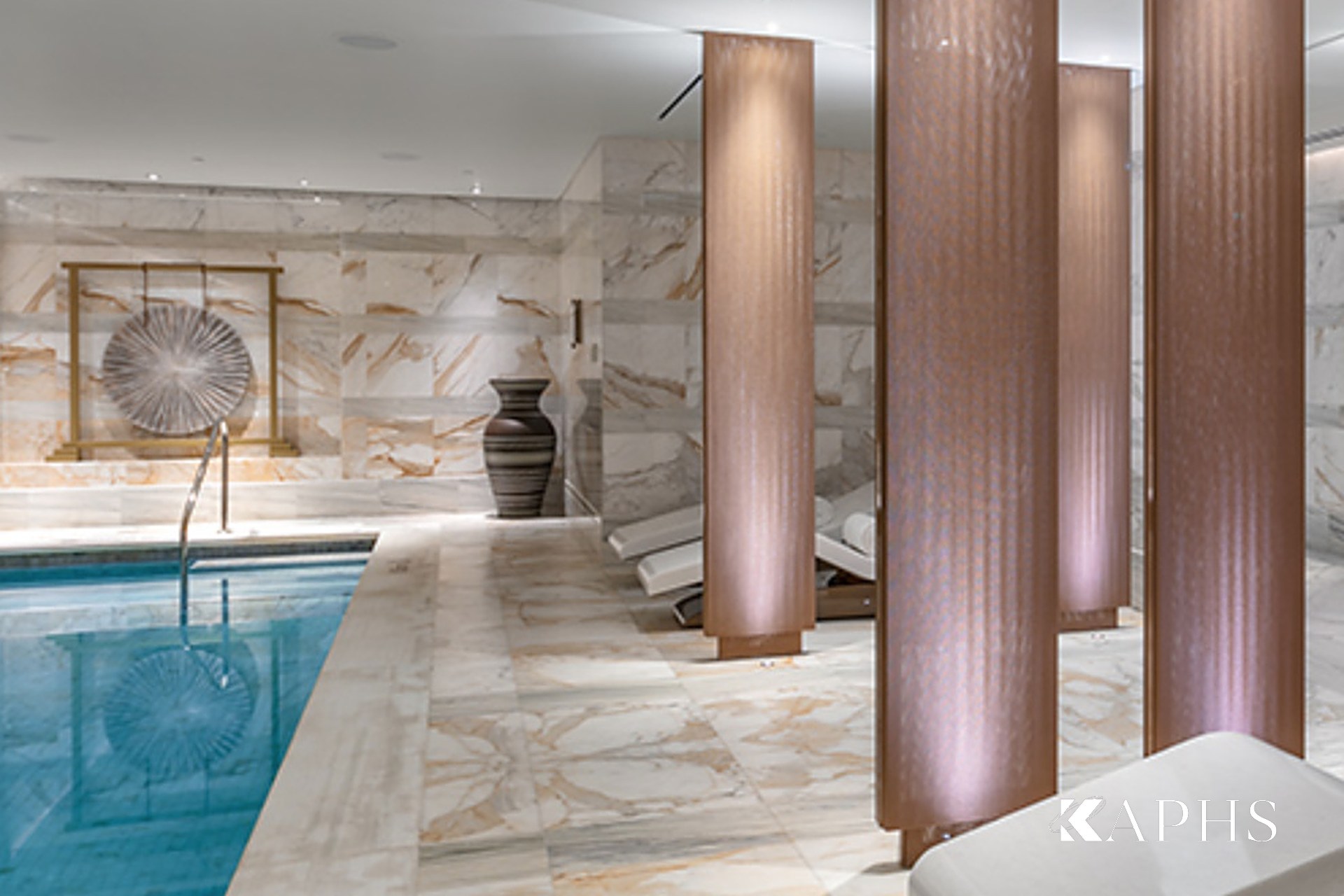
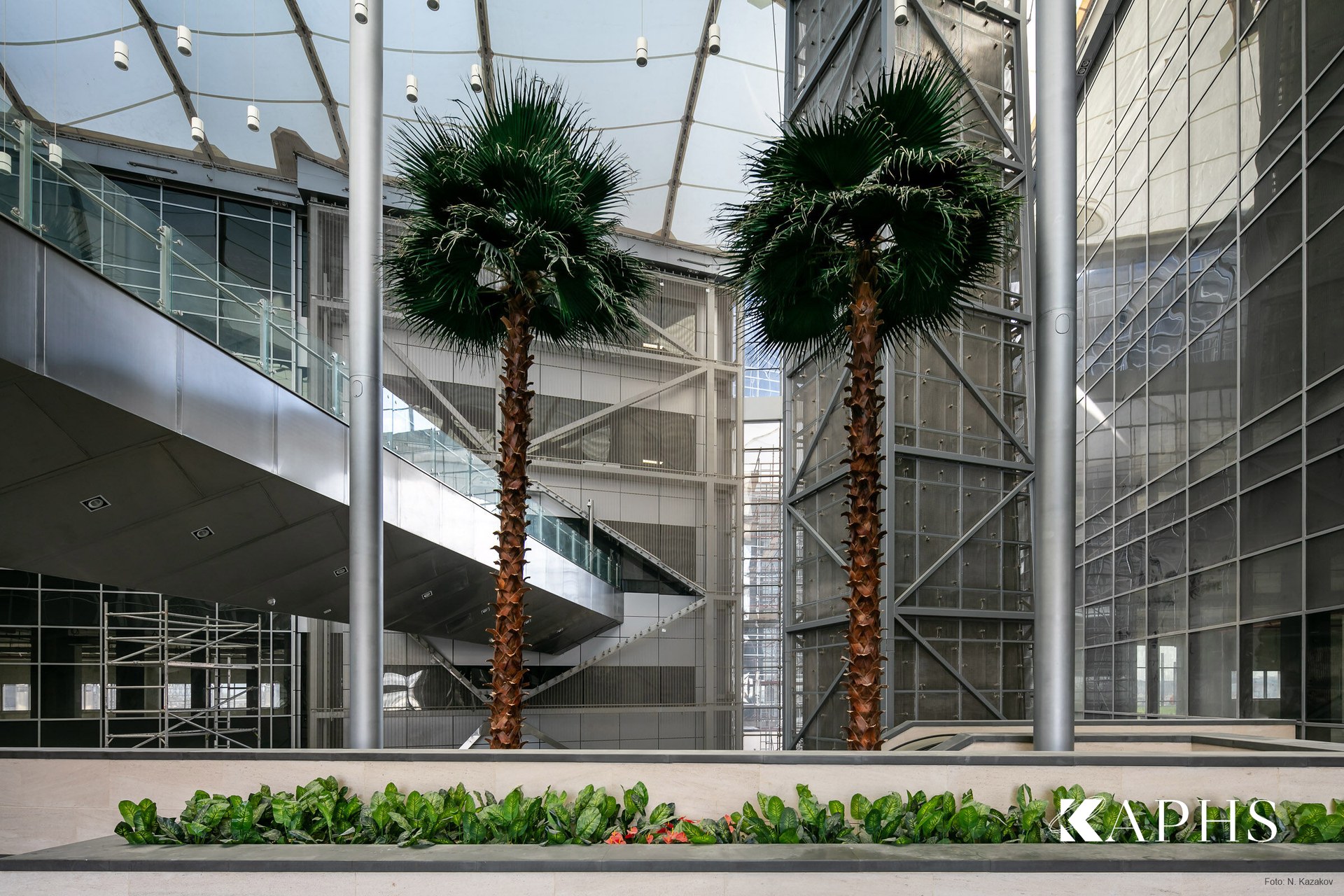
Interior Partitions and Ceilings: Inside buildings, expanded metal mesh is often used to create partitions, ceilings, and decorative panels. Its ability to allow light and air to pass through makes it perfect for creating open, breathable spaces without sacrificing privacy or sound control. 

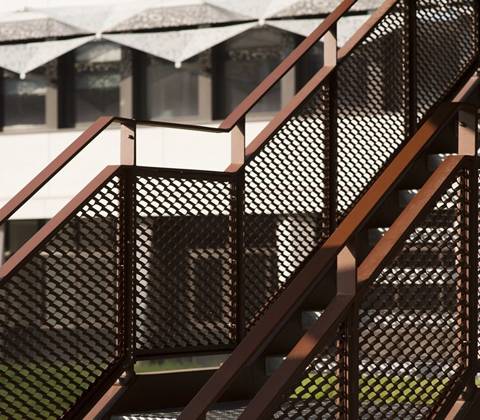
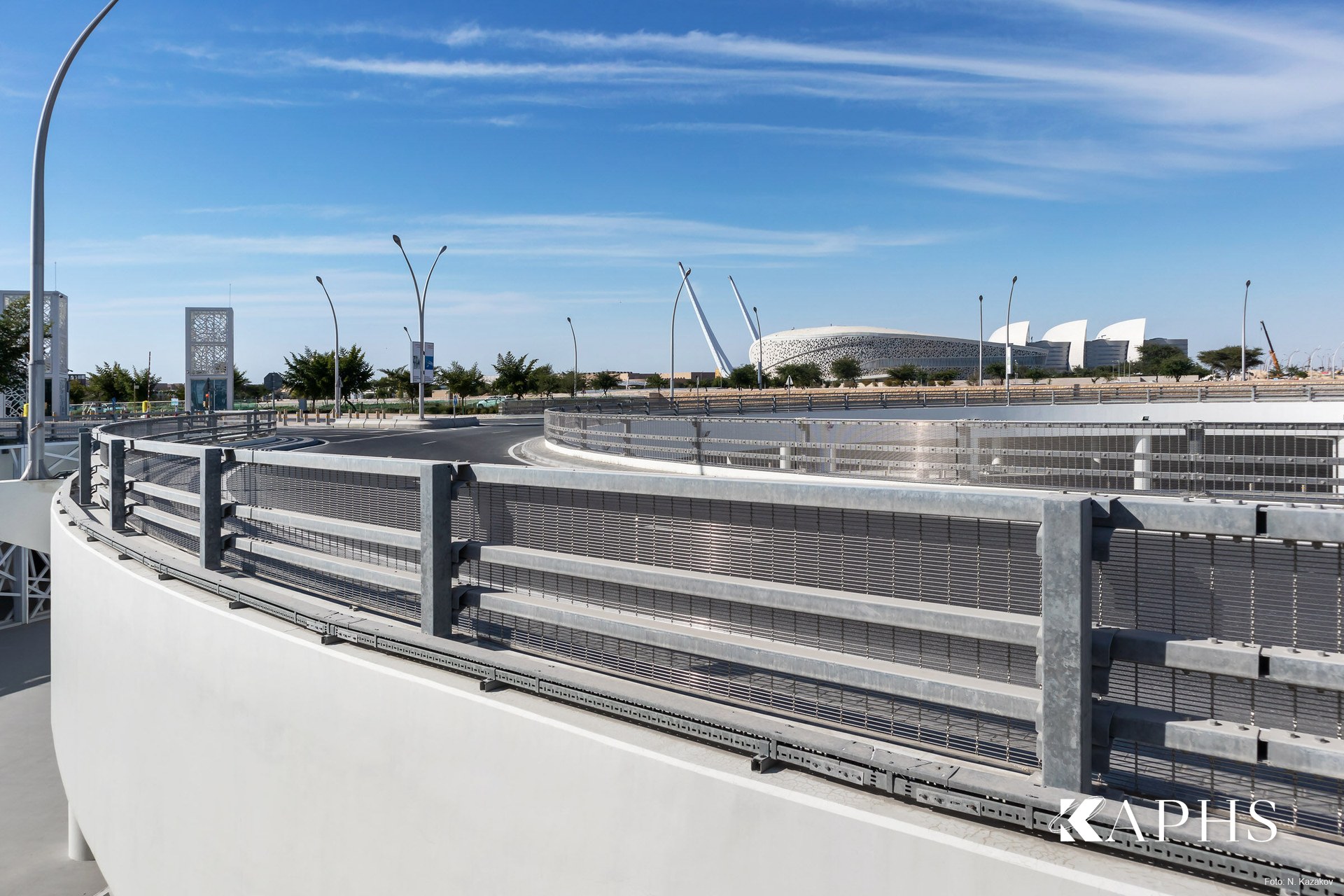
Railings and Balustrades: The strength and durability of expanded metal mesh make it suitable for railings, balustrades, and staircases. It offers a modern, industrial look while ensuring safety and stability.

Application Image
Application Image
Application Image
Application Image
Application Image

Expanded Metal Mesh

Product Range

Diamond Mesh

Diamond Mesh

Round Mesh

Round Mesh

Hexagonal Mesh

Hexagonal Mesh

Longbond Mesh

Longbond Mesh

Finish Image
Finish Image

Expanded Metal Mesh

Finishes

Expanded metal mesh can be finished with a variety of coatings and treatments to enhance both its durability and aesthetic appeal. Here are some common finishes:

Mill Finish: A mill finish refers to the natural, uncoated state of the metal after it has been processed. This raw finish is often used for applications where the mesh will be further fabricated or where a rustic, industrial appearance is desired. It provides no additional corrosion protection, so it’s typically used indoors or in low-exposure environments.

Powder Coating: Powder coating involves applying a dry powder to the mesh, which is then cured under heat to form a protective layer. This finish is available in a wide spectrum of colors and offers excellent protection against corrosion, UV rays, and scratches. It’s particularly popular for architectural applications where color and surface durability are important.

Anodizing: Anodizing is a process used primarily for aluminum mesh, where an electrochemical process thickens the natural oxide layer on the surface. This results in a durable, corrosion-resistant finish that also enhances the material’s appearance by adding a rich metallic sheen. Anodized finishes are ideal for outdoor applications and areas exposed to harsh environments.

Galvanization: Galvanization involves coating the mesh with a layer of zinc to protect against rust and corrosion. This finish is commonly used for steel mesh and is ideal for exterior applications where weather resistance is crucial. It offers a more rugged, industrial look while ensuring long-term durability.

Fixing System Image
Fixing System Image
Fixing System Image

Expanded Metal Mesh

Fixing Systems

Framing methods for expanded metal mesh are crucial for ensuring the material is securely and attractively finished in various applications. Here are some common framing techniques:

Angle Frame Metal angles (usually aluminum) are welded around the mesh’s edges. This provides strong support, making it suitable for heavy-duty or industrial applications. The angle frame can also be customized to match the mesh’s finish, offering both functional and aesthetic benefits.

Box Frame A box frame encloses the mesh within a rectangular offering high rigidity and support. This method is commonly used for security applications, such as window guards or protective barriers, where the frame must withstand significant force or impact.

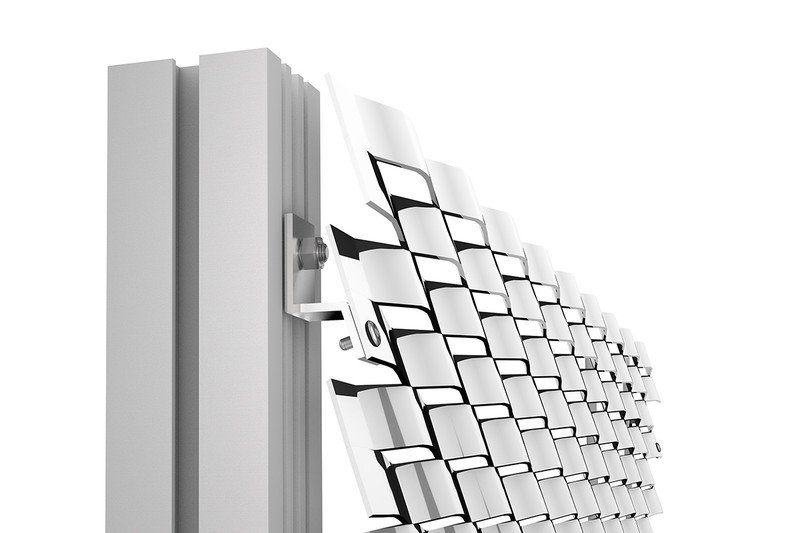
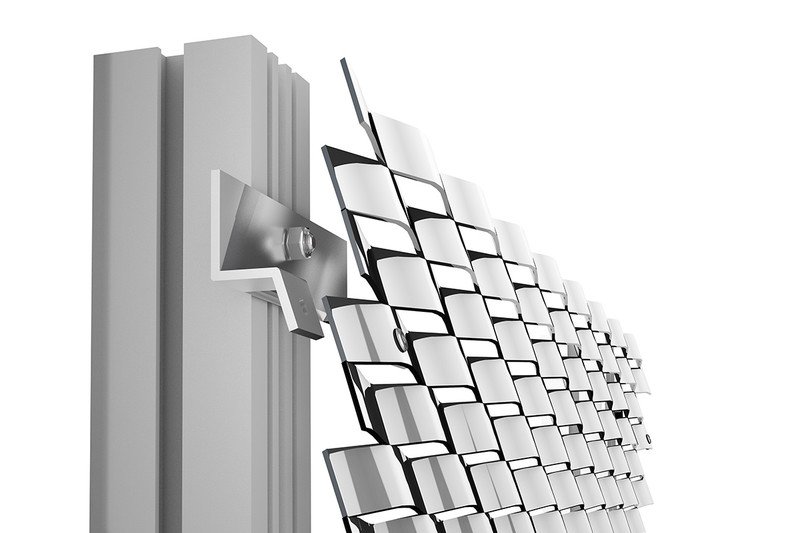
Frameless Bracket This system uses L-brackets to secure the expanded metal mesh directly to the mounting surface without a traditional frame. It provides a clean, modern appearance and is often used in applications where the goal is to highlight the mesh itself rather than the framing. The brackets are typically discreet and can be adjusted to ensure proper alignment of the mesh.

Catalogue

KAPHS Expanded Metal Mesh

KAPHS Expanded Metal Mesh

Download PDF