home our products Architecural Screens

Architecural Screens

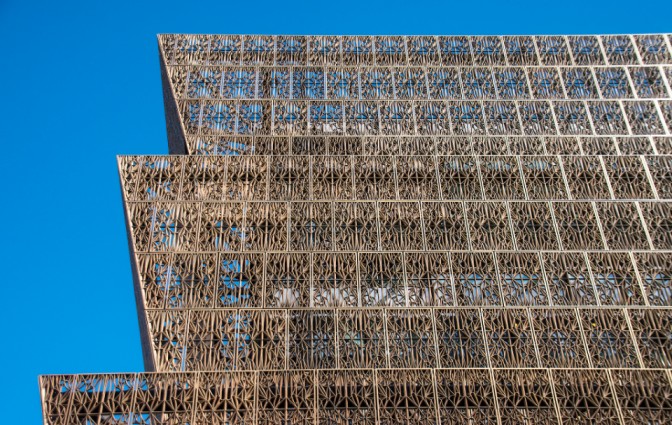
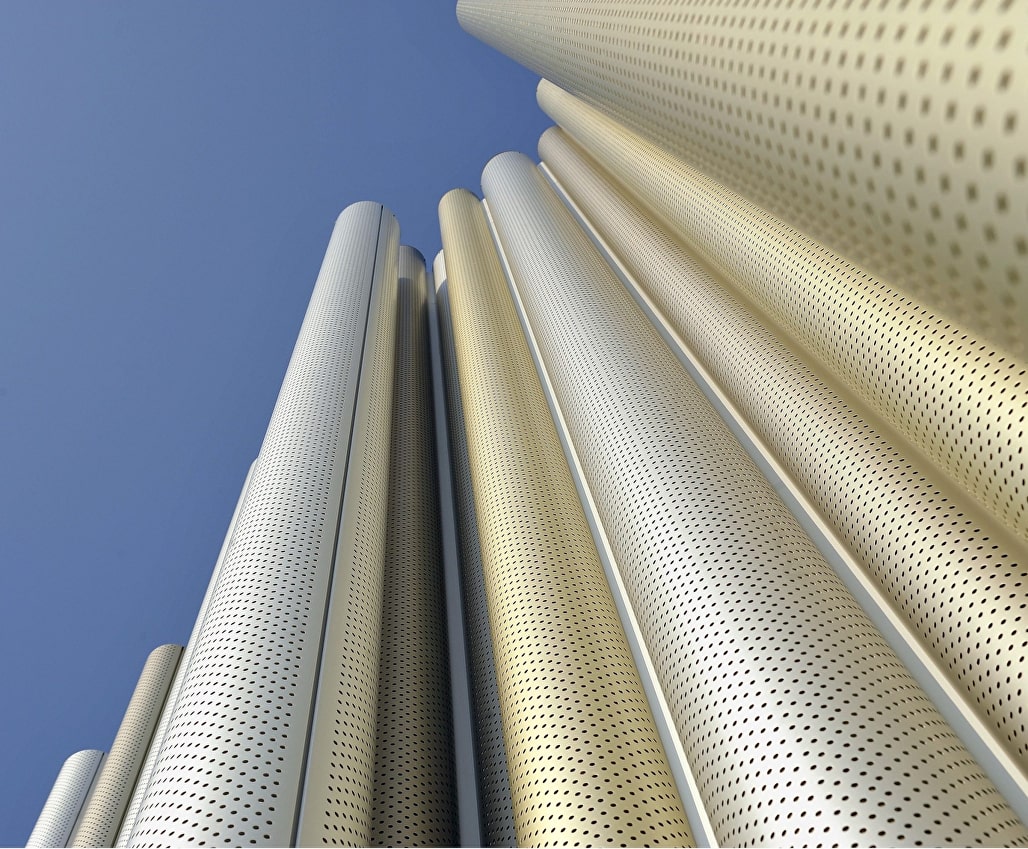
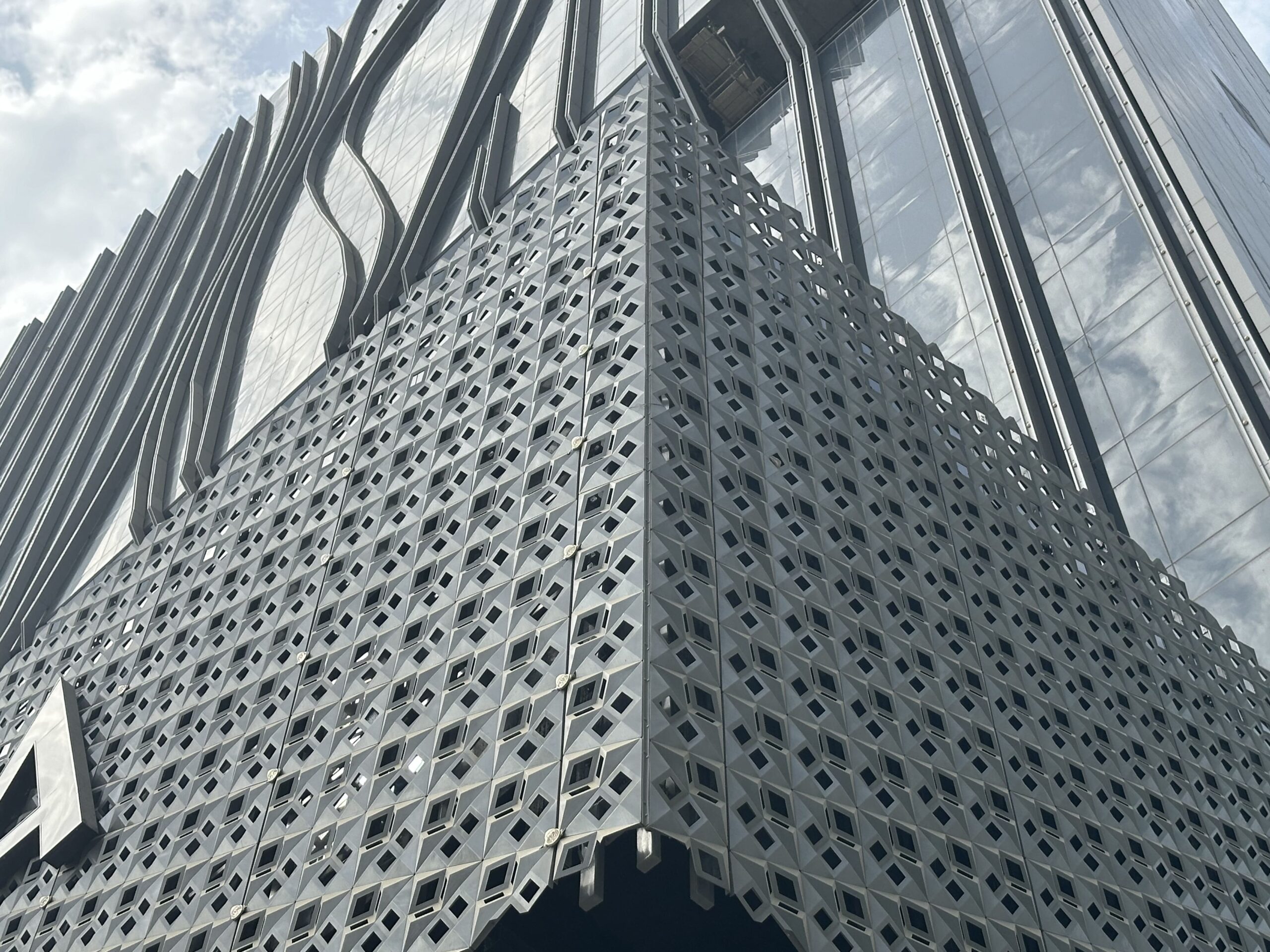
Cast Aluminium Screens: These screens are made from cast aluminium, providing a robust and versatile solution for architectural applications. The material allows for intricate detailing and complex shapes, making it ideal for creating distinctive, custom designs. Cast aluminium screens offer both durability and a premium finish, enhancing the visual appeal of facades.

Product Image
Product Image

Architecural Screens

Architecural Screens

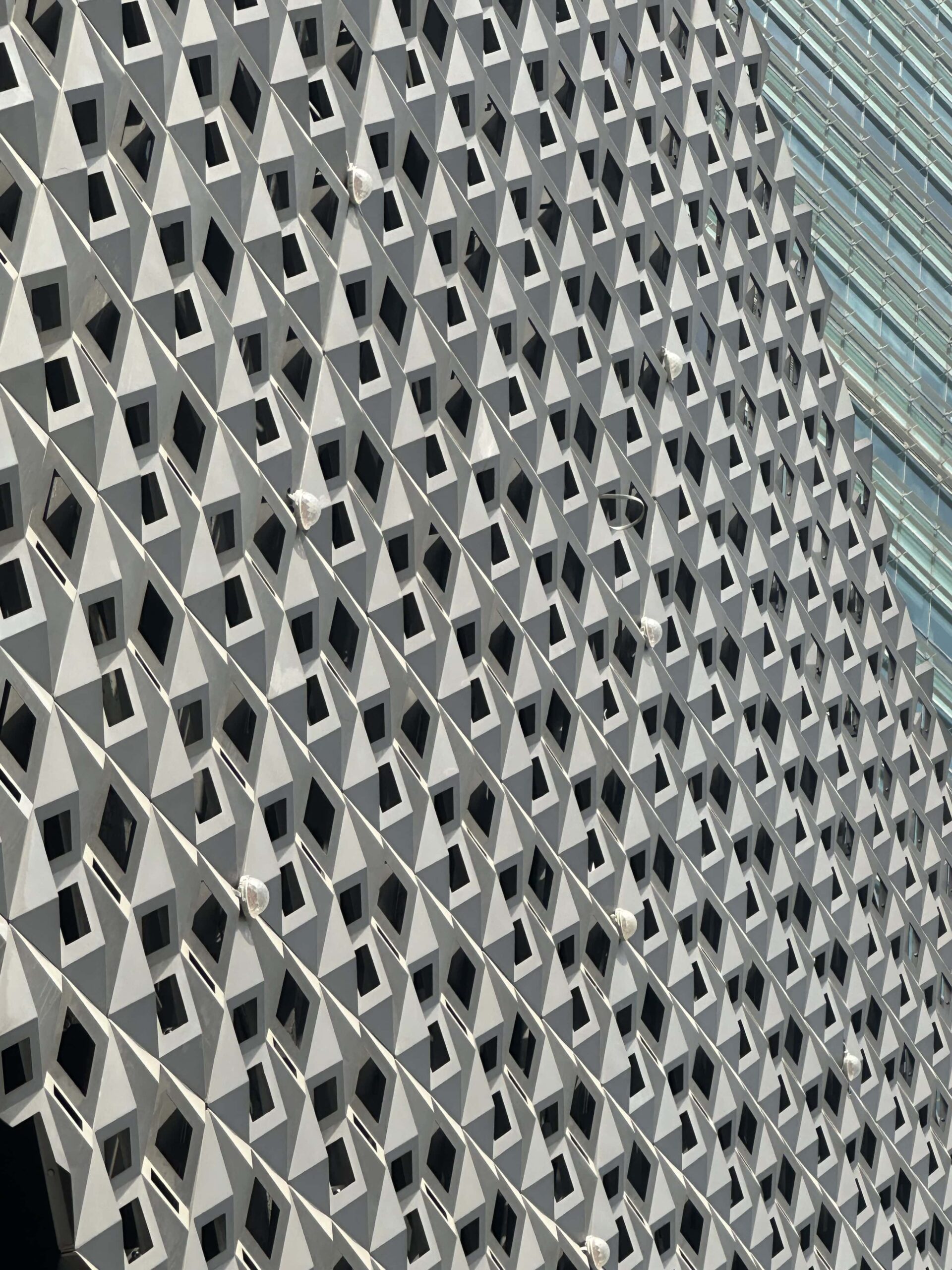
CNC Screens: CNC cutting enables precise and intricate designs to be achieved in metal sheets. This technology allows for detailed patterns and custom shapes to be cut from a variety of metals, including aluminium and stainless steel. CNC cut sheets offer exceptional accuracy and flexibility, making them suitable for bespoke facade elements and decorative features.

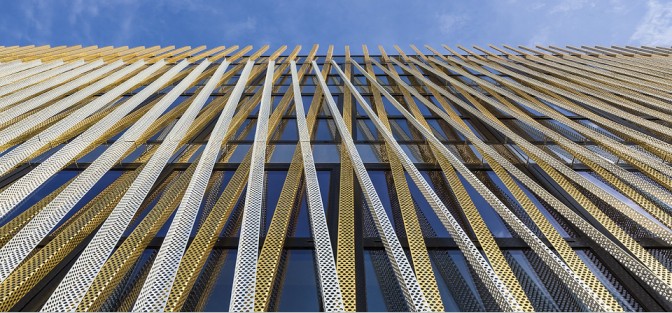
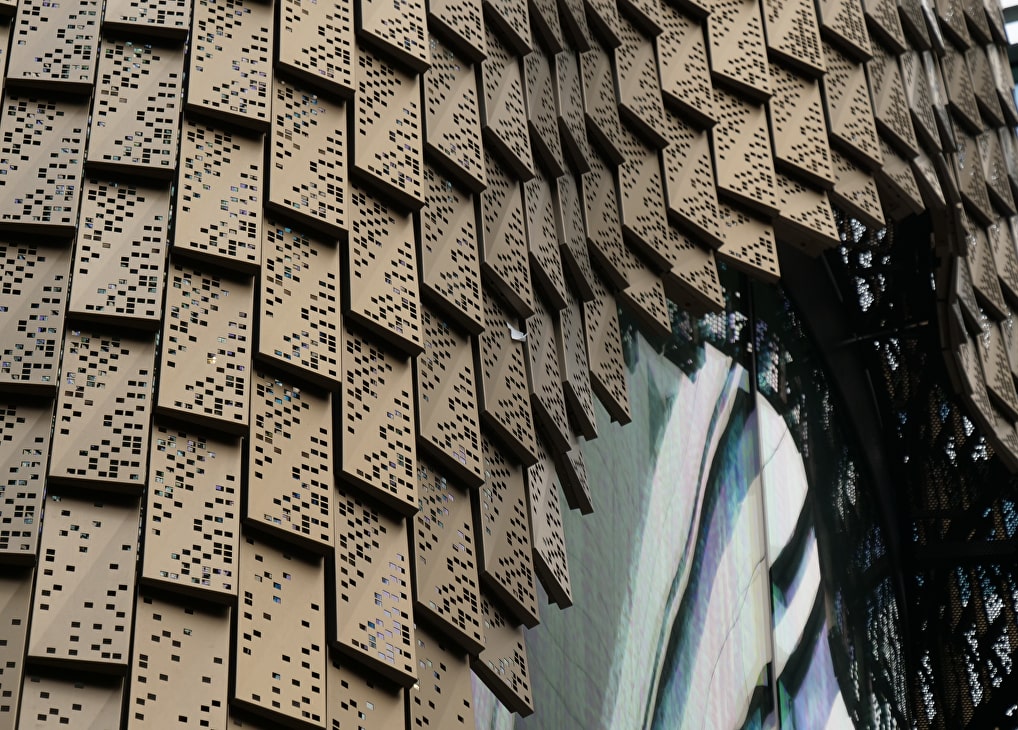
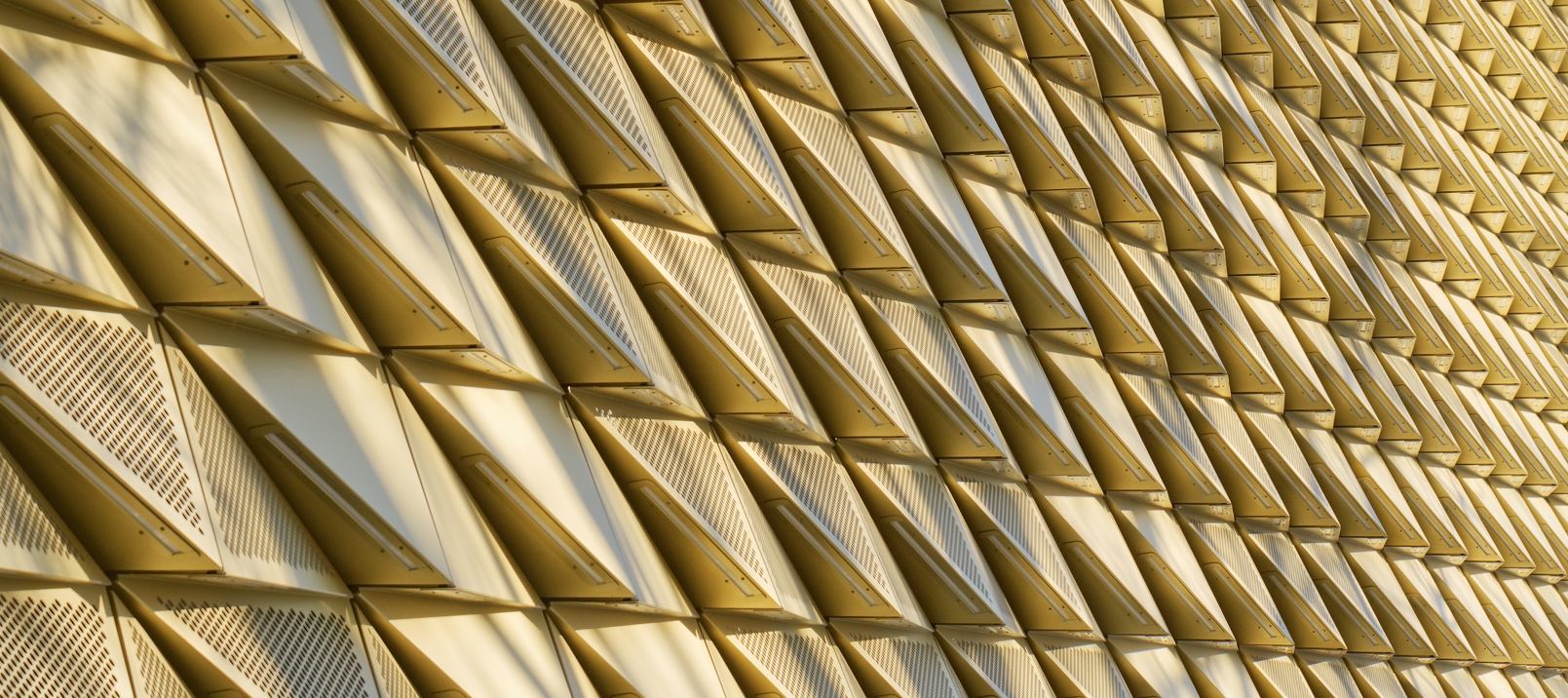
Perforated Screens: Perforated sheets feature a pattern of holes punched into the metal, offering both functional and aesthetic benefits. These screens provide ventilation, light control, and visual interest while allowing for customization in terms of hole size, pattern, and spacing. Perforated sheets are ideal for creating dynamic facades that balance openness with privacy.

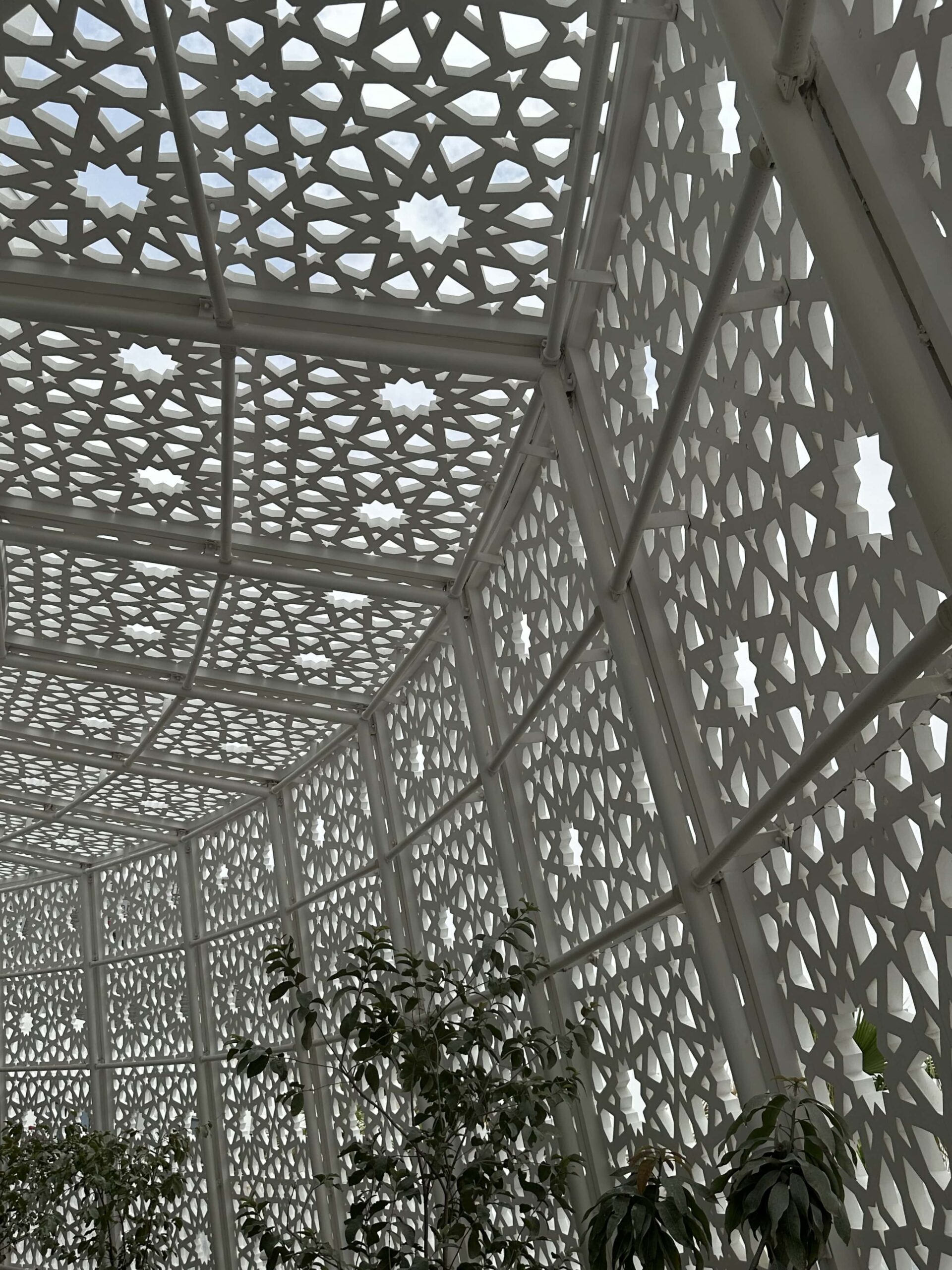
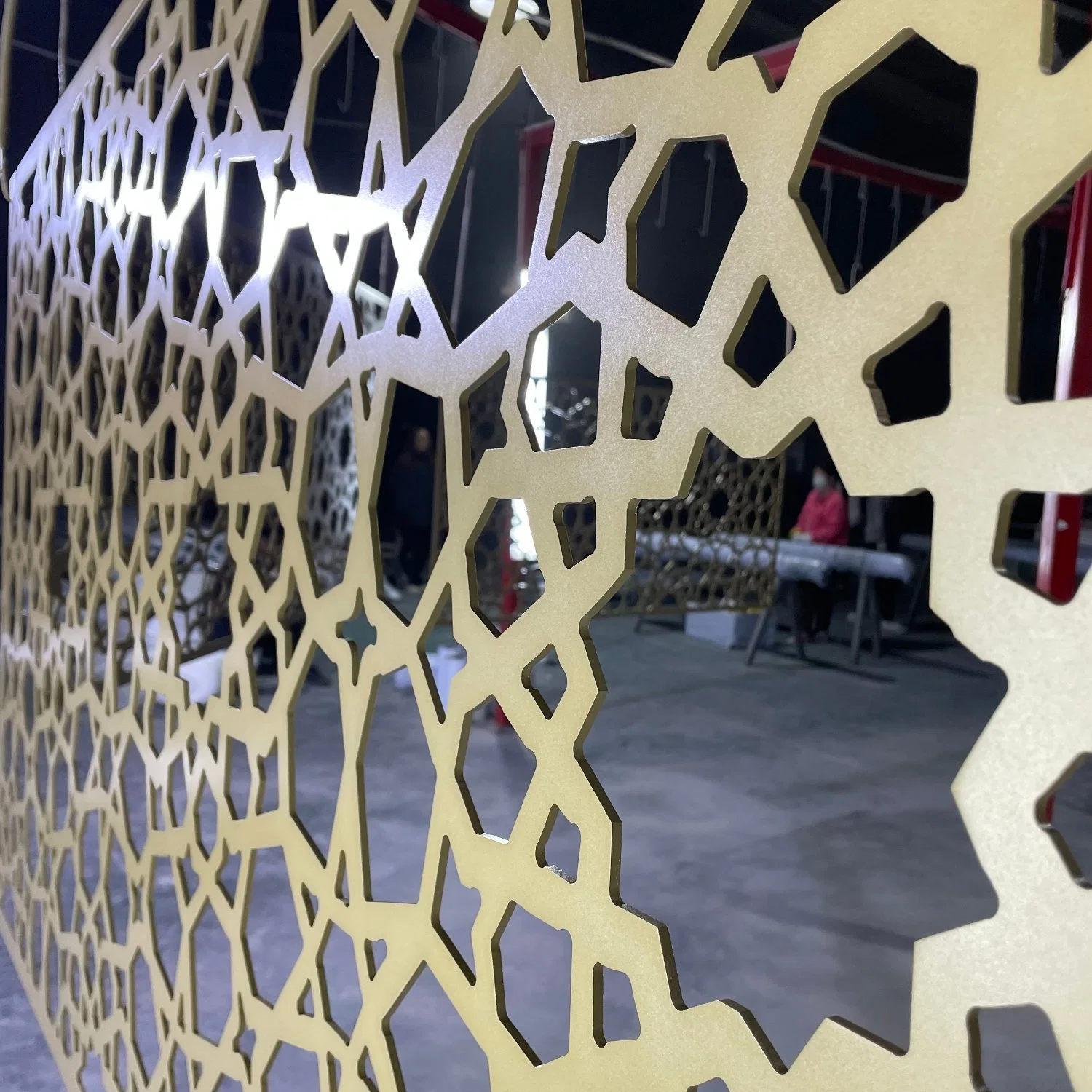
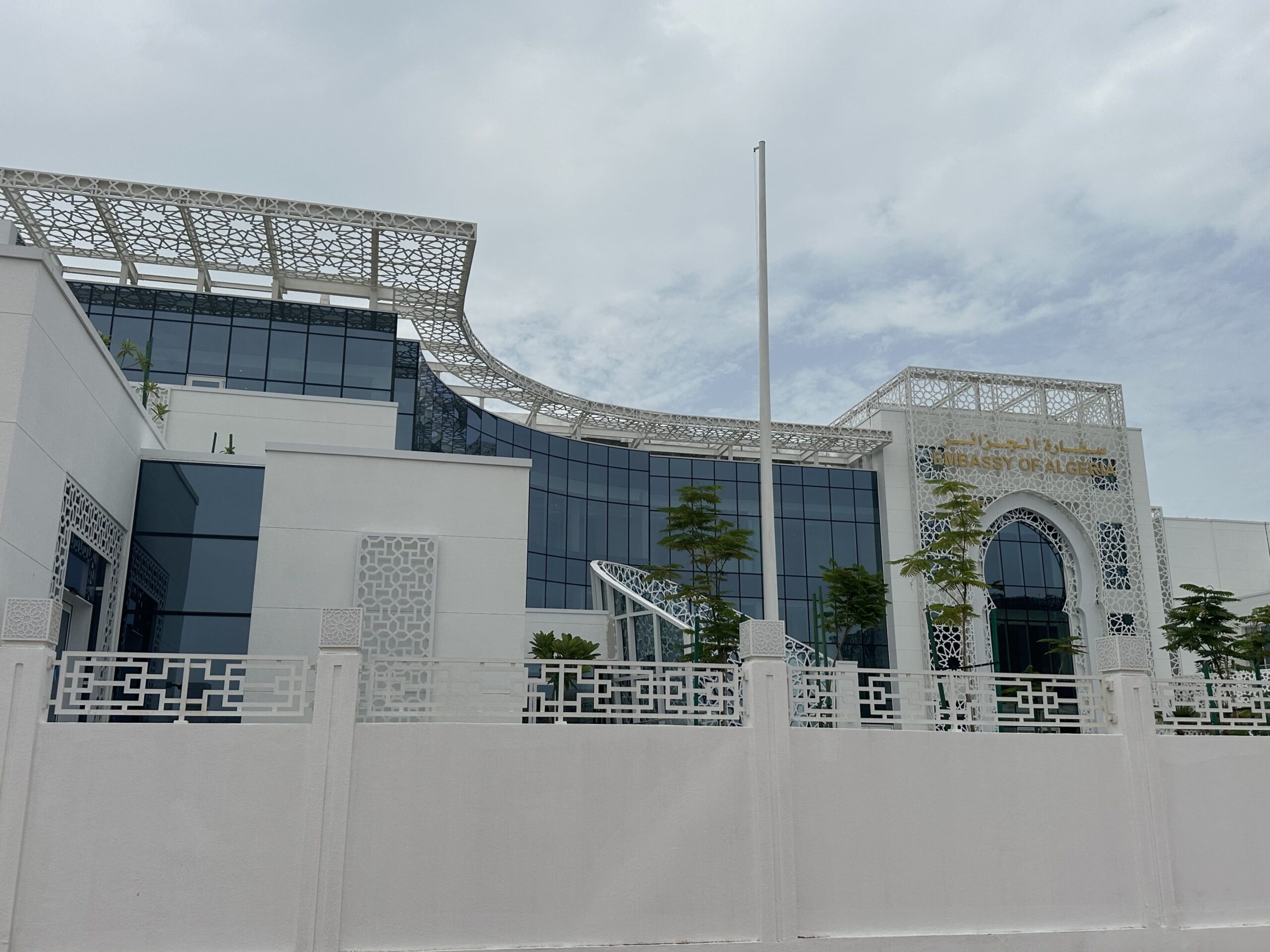
Laser Cut Screens: Laser cutting technology provides a high level of precision and the ability to produce complex, detailed designs in metal sheets. Laser cut screens can achieve fine, intricate patterns with smooth edges, allowing for sophisticated and visually compelling facades. This method is well-suited for achieving both functional and artistic elements in architectural designs.

Architecural Screens

Product Range

Cast Aluminium-min

Cast Aluminium

CNC-min

CNC Cut Sheets

Laser Cut Sheet-min

Laser Cut Sheets

Perforated Sheet-min

Perforated Sheets

Finish Image
Finish Image

Architecural Screens

Finishes

Aluminium architectural screens can be finished in a variety of ways to enhance their appearance, durability, and suitability for different environments. These finishes not only protect the material but also allow for a wide range of design possibilities. Here’s an overview of the most common finishes, including powder coating and anodizing:

Powder Coating: Powder coating is a popular finish for aluminium architectural screens, providing a durable and attractive surface. This process involves applying a dry powder to the aluminium, which is then cured under heat to form a protective layer. Powder coating offers a wide range of color options, from bold, vibrant hues to subtle, muted tones. The finish is also available in various textures, such as smooth, matte, or glossy, allowing for further customization. Powder-coated screens are highly resistant to chipping, scratching, and fading, making them suitable for both interior and exterior applications.

Anodizing: Anodizing is an electrochemical process that enhances the natural oxide layer on the surface of aluminium, creating a protective and decorative finish. This finish is particularly known for its durability and resistance to corrosion, making it ideal for outdoor use. The finish also offers a unique metallic sheen that adds depth and sophistication to the screens. Additionally, anodizing allows the texture of the aluminium to be preserved, resulting in a finish that is both visually appealing and long-lasting.

Fixing System Image
Fixing System Image

Architecural Screens

Fixing Systems

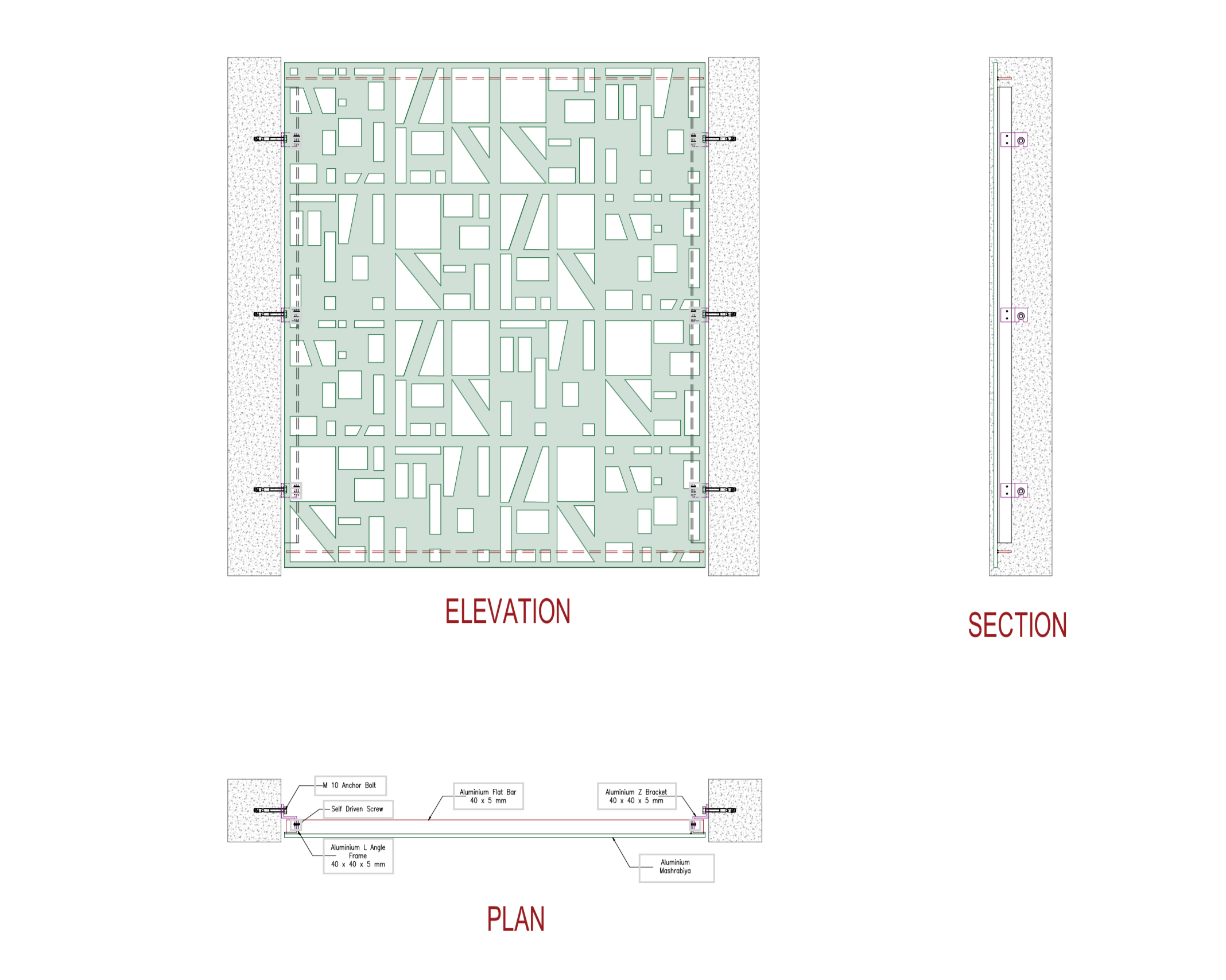
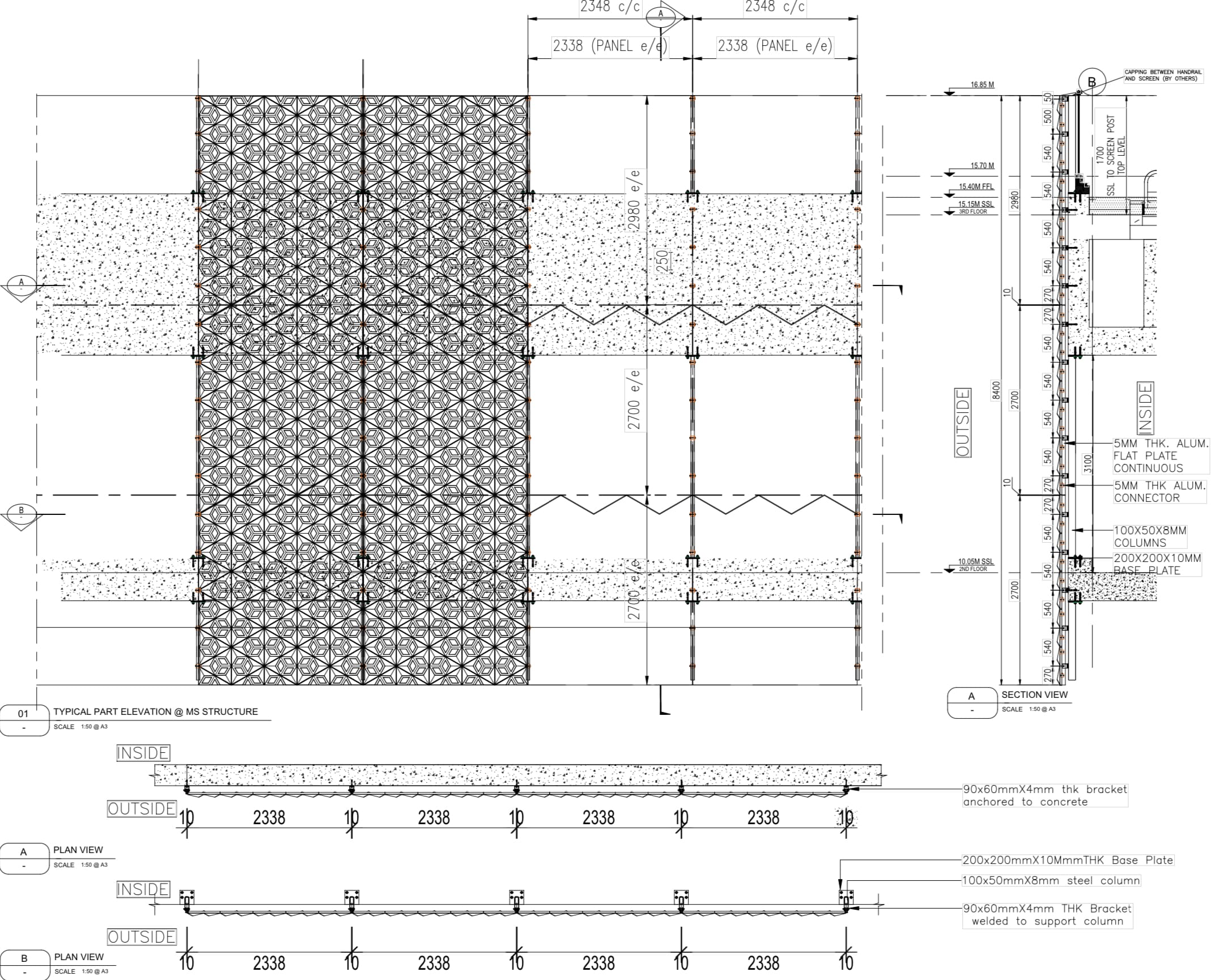
Aluminium screens used in facade applications require robust and aesthetically pleasing framing systems that ensure both structural integrity and visual appeal. Below are descriptions of common framing systems used for this purpose:

L-Profile Framing: L-profile framing is a widely used method for securing aluminium screens on facades. The L-shaped metal profile provides a strong, right-angle edge that supports the screen while maintaining a sleek, modern appearance. This type of framing is particularly effective for creating clean lines and ensuring a seamless integration with the building’s architecture.

Channel Framing: Channel framing involves encasing the edges of the aluminium screen within a U-shaped channel. This method provides a secure and concealed grip on the screen, enhancing its structural stability. The channel can be made from the same material as the screen or a contrasting one, depending on the desired visual effect. It is ideal for large or heavy screens, as the encasement offers additional support. It is commonly used in high-wind areas or where the facade needs to withstand significant environmental stresses.

T-Profile Framing: T-profile framing uses a T-shaped metal profile to create a central support line across the screen. This method not only reinforces the screen but also introduces a design element that can be used to break up large surfaces or add visual interest. It is particularly useful for dividing large screens into smaller sections or creating patterns on the facade. It is a popular choice in modern architectural designs where both function and form are considered.

Architecural Screens

Project References